
What Is a Japan ETC Card, and Do You Need One?
Driving on Japan's expressways is much easier when you understand ETC. Learn what the card does, how to use it with a rental car, and when you actually need one.
Affiliate disclosure: Some links in this article may earn Japan Trip Planners a commission at no extra cost to you. Recommendations are included when they are genuinely useful for planning, and you should still compare current prices, terms, and official provider information before booking.
What is a Japan ETC card?
ETC stands for Electronic Toll Collection. Japan uses ETC to collect tolls electronically when vehicles use expressways and other toll roads. Instead of stopping to hand over cash at every toll gate, the vehicle's ETC system records the trip and charges the toll to the ETC card connected to the account or rental agreement.
The ETC card is not the same thing as the ETC reader. The reader is the small device installed inside the car, usually near the dashboard or glove box. The card is inserted into that reader. You need both pieces for electronic toll collection to work.
For international visitors, the most common setup is a rental car that already has an ETC reader. You then ask the rental company whether you can borrow an ETC card for the rental period. The company may settle the accumulated tolls when you return the car, or it may explain another payment process in the rental agreement.
Do you need an ETC card in Japan?
You probably do not need one if your trip is centered on Tokyo, Kyoto, Osaka, or another city where you will mainly walk and use trains, subways, and buses. An ETC card is for vehicle toll roads, not for ordinary street driving and not for public transportation.
An ETC card becomes much more useful when you are driving between rural towns, mountain areas, national parks, beaches, volcanoes, onsen regions, or attractions that are spread far apart. Expressways can save significant time on those routes, and ETC lets you use them without repeatedly stopping to pay at a toll booth.
You can still rent a car without borrowing an ETC card, but you need to understand how you will pay tolls on the route. Ask the rental desk what payment options are available, whether the vehicle has an ETC reader, and whether any roads on your planned route require special preparation.
- Mostly city travel by train: an ETC card is usually unnecessary.
- A short rural drive using ordinary roads: you may be able to skip it, depending on your route.
- Several expressway journeys or a long road trip: borrowing one is usually the simplest option.
- A rental car shared by several travelers: ETC can make toll handling easier when the rental company settles the total at return.
How to use an ETC card in a rental car
Ask for the ETC card at the rental counter and confirm that the car's ETC reader is working. The staff can show you where the reader is located, how the card should face when inserted, and how toll charges will be collected. Take a moment to understand the system before leaving the lot rather than trying to solve it at the expressway entrance.
Insert the card into the reader before you reach the toll gate. The reader should give an indicator, sound, or display message that the card has been recognized. Keep the card inserted while driving on the expressway unless the rental company specifically tells you otherwise.
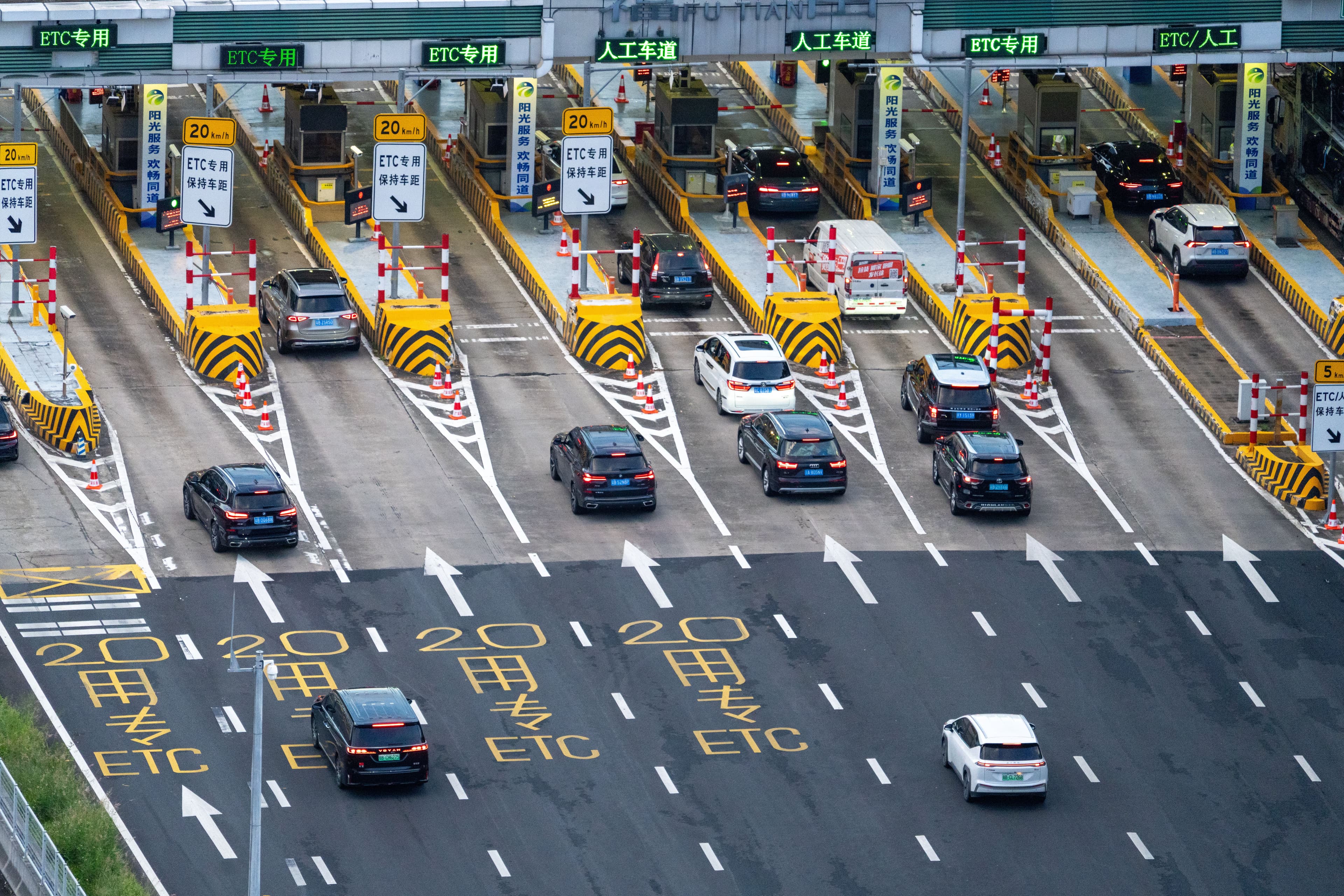
At the toll plaza, follow the lane marked ETC. Slow down and follow the posted speed and lane instructions. The gate should open after the system reads the vehicle and card. Keep a safe distance from the car ahead, and do not change lanes at the last second when you see the toll plaza.
When you leave the expressway, use the ETC lane again when it is available. The system records the trip and calculates the toll. At the end of the rental, follow the rental company's instructions for reviewing and paying the accumulated charges.
- Confirm that the card is inserted in the correct direction.
- Check for a light, sound, or other confirmation from the ETC reader.
- Use the lane clearly marked ETC and follow its posted speed.
- Leave the card in the reader for the full expressway journey.
- Ask the rental company how the final toll total will be paid before you drive away.
What happens if you do not have an ETC card?
Do not enter a lane marked ETC-only if you do not have a working ETC card in the reader. Use a general or staffed toll lane when one is available, and follow the signs or the attendant's instructions for payment. Payment methods and lane availability can differ by toll road, so watch the signs carefully.
If the route has no convenient general lane, stop and ask the rental company or toll-road staff for help before entering. It is much better to confirm the correct lane than to try to reverse or change lanes near a toll gate.
A rental car may have an ETC reader even when the card was not included automatically. That does not mean the car is ready to use the ETC lanes. Confirm that the actual card is present, inserted, and accepted by the reader.
Questions to ask when renting a car
ETC arrangements are not identical across rental companies or vehicle classes. Ask the desk to explain the card rental fee, whether tolls are charged at return or through another process, and what to do if the card or reader gives an error. Save the rental agreement and any receipt until the toll total is settled.
It is also worth checking whether the rental car has a navigation system that supports English, whether the car has a compatible ETC reader, and whether your planned route includes toll roads. A route that is easy by expressway can be much slower on local roads, but the most expensive route is not automatically the best route either. Compare time, tolls, parking, and the experience you want from the drive.
Remember that an ETC card does not replace the other requirements for driving in Japan. You still need the correct driving documents, insurance coverage, a legal rental agreement, and a route that matches your comfort level.
ETC discounts and common mistakes
Some expressway discount programs may apply to particular routes, times, vehicle types, or registrations. Do not assume that having an ETC card automatically gives you every possible discount. Check the current rules for the road operator and the rental company if a discount is important to your budget.
The most common mistakes are entering an ETC lane without a card, inserting the card upside down, removing it while driving, forgetting how the rental company settles tolls, and underestimating the time needed to reach a rural attraction after leaving the expressway. Take a photo of the card and reader setup if the rental desk allows it, and keep the rental company's support number available.
For a road trip through Japan's mountains, coastlines, forests, volcano areas, and smaller towns, ETC is best thought of as a convenience tool. It can make toll-road travel smoother, but it is only one part of a good driving plan. Build in fuel stops, parking, weather checks, rest breaks, and extra time for unfamiliar roads.
A quick ETC checklist before your first drive
Before leaving the rental lot, confirm the vehicle has an ETC reader, the borrowed card is available, the card is inserted correctly, and the rental staff has explained the toll-payment process. Check your route and identify whether the entrance lane is ETC, general, or staffed.
At the end of the trip, return the ETC card as instructed and make sure the toll charges are settled. If anything about the reader, card, or toll gate was unclear, tell the rental company before closing the rental. A two-minute question at the desk is easier than trying to reconstruct a toll-road problem later.
- ETC reader present in the car
- ETC card borrowed or another toll payment plan confirmed
- Card inserted and recognized before entering the expressway
- Correct ETC or general lane selected
- Toll settlement and card return understood before returning the car
Travel details can change. Confirm current schedules, opening hours, reservation rules, prices, and entry requirements with the relevant official provider before booking or traveling.