
Why Are There So Many Dog Statues in Okinawa? Meet the Shisa
Those dog-like statues across Okinawa are shisa: Ryukyuan guardian lions placed on rooftops, gates, walls, and village boundaries to protect people from misfortune and welcome good fortune.
Affiliate disclosure: Some links in this article may earn Japan Trip Planners a commission at no extra cost to you. Recommendations are included when they are genuinely useful for planning, and you should still compare current prices, terms, and official provider information before booking.
Short answer: they are not really dog statues
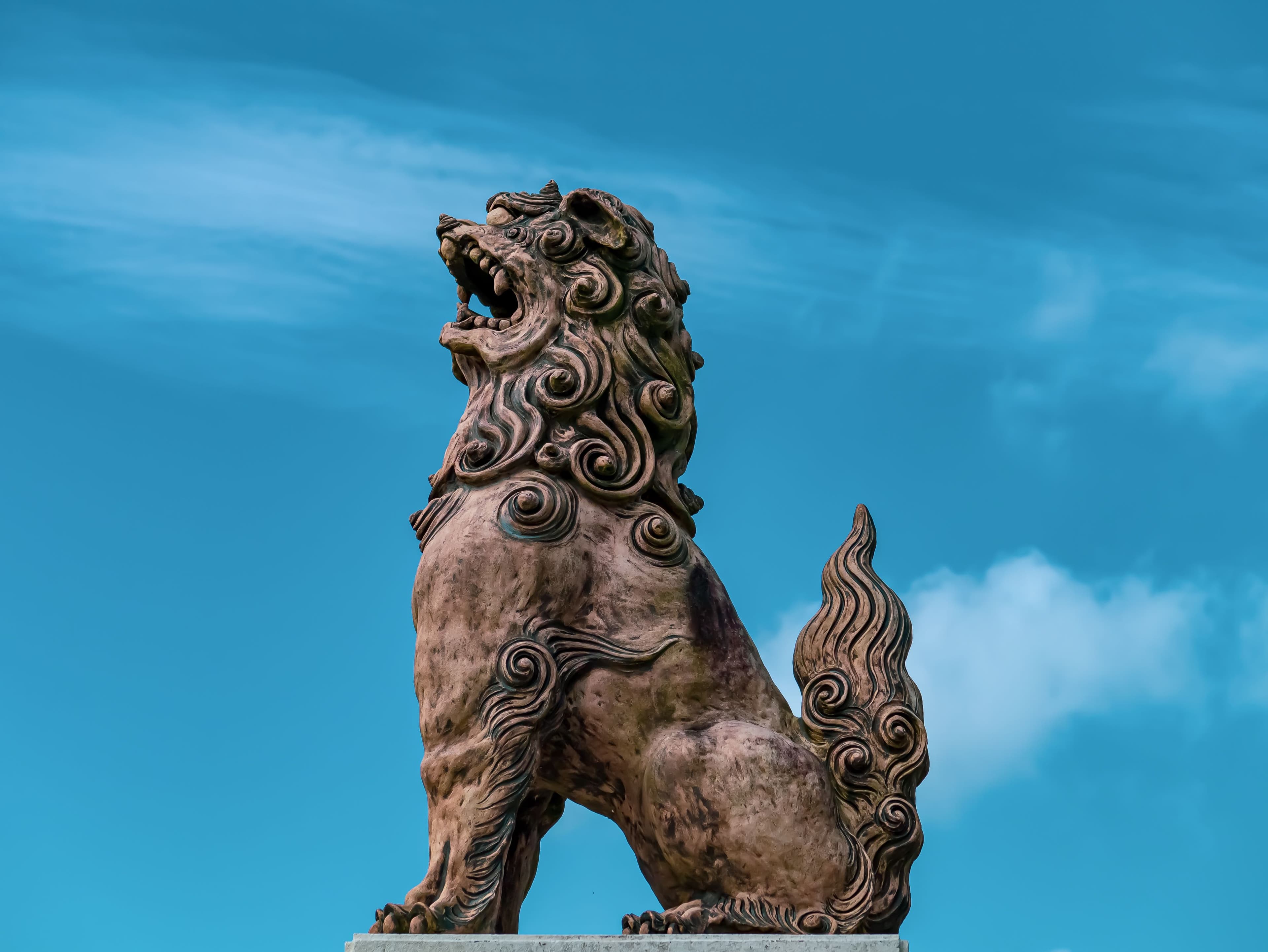
The creatures you see guarding Okinawan homes, shops, temples, public buildings, and red-tile rooftops are called shisa. They may look like dogs at first glance, but shisa are stylized guardian lions rooted in the culture of the former Ryukyu Kingdom.
Their curled manes, large eyes, muscular bodies, and dramatic teeth combine the strength of a lion with an expressive, sometimes playful personality. That mixture is why travelers describe them as dogs, lions, lion-dogs, or even tiny dragons. In Okinawa, however, the important word is shisa.
Shisa are more than decoration. They are protective figures associated with driving away evil, bad luck, fire, illness, and other misfortune. Their constant presence is one of the first visual clues that Okinawa has a history and cultural identity distinct from mainland Japan.
What does the word shisa mean?
Shisa is the Okinawan name for a lion. The figures belong to a much wider family of guardian-lion traditions found across East and Southeast Asia. Chinese guardian lions are an especially important influence, and official Okinawa cultural sources connect the arrival of shisa imagery to the Ryukyu Kingdom's trade and cultural exchange with China during the 13th and 14th centuries.
The Ryukyu Kingdom was a maritime trading kingdom with connections to China, Japan, Korea, and Southeast Asia. Ideas, religious practices, art, architecture, and symbols moved through those networks. Okinawans did not simply copy a foreign guardian lion; over time, they developed a distinctly local form with its own materials, expressions, placement traditions, and stories.
That is why a shisa can feel familiar if you have seen guardian lions elsewhere in Asia while still looking unmistakably Okinawan. The figure became part of the islands' architecture, pottery, village protection, spiritual landscape, and everyday visual culture.
What do shisa represent?
At the simplest level, shisa represent protection. A shisa at a doorway or on a roof watches over the household. Larger stone figures can guard a gate, sacred site, tomb, public building, or an entire village. Their fierce teeth and watchful posture are meant to confront harmful forces before those forces reach the people and places behind them.
Protection can have several meanings. Some traditions emphasize keeping away evil spirits and bad luck. Others connect shisa with protection from fire, disease, or disasters. Historic village shisa were sometimes positioned toward a landscape feature believed to be the source of danger, turning the guardian into a kind of spiritual defense for the whole community.
Shisa can also represent welcome, prosperity, and good fortune. That combination explains why some look intimidating while others grin, laugh, dance, hold a ball, or appear almost cartoonish. A guardian does not need to look frightening all the time; it can protect the home while also expressing warmth and personality.
Why does one shisa have an open mouth and the other a closed mouth?
Many shisa are displayed as a pair. One has an open mouth and the other has a closed mouth. A common modern explanation is that the open-mouthed shisa welcomes good fortune or frightens away evil, while the closed-mouthed shisa keeps good fortune safely inside or prevents disaster from entering.
Official Okinawa tourism materials also describe a familiar arrangement in which the open-mouthed figure is male and placed on the right, while the closed-mouthed figure is female and placed on the left. You will see that explanation repeated in shops, workshops, and visitor materials across the islands.
Treat this as a widely used convention, not a test every shisa pair must pass. Local traditions, artists, family preferences, building orientation, and modern designs vary. You may see the positions reversed, two open mouths, a single rooftop shisa, or a figure whose expression does not fit neatly into either category. The protective role matters more than forcing every example into one rule.
- Open mouth: often said to welcome good fortune or drive away evil.
- Closed mouth: often said to hold onto good fortune or keep misfortune outside.
- A pair: commonly protects both sides of an entrance or gate.
- A single shisa: frequently appears alone on a rooftop or wall and still serves as a guardian.
Why are there so many shisa across Okinawa?
Shisa became part of the built environment rather than remaining only inside temples or royal sites. Once you start looking, you will find them on traditional red-tile roofs, apartment entrances, restaurant counters, garden walls, hotel lobbies, schools, bridges, shopping streets, and even utility covers and signs.
Their popularity comes from several layers working together. Shisa carry a protective meaning, connect modern Okinawa with Ryukyu heritage, fit naturally into local pottery traditions, and allow enormous creative freedom. A household can choose a serious stone guardian, a weathered rooftop figure, a bright ceramic pair, or a humorous handmade design and still participate in the same cultural tradition.
They have also become a symbol visitors immediately associate with Okinawa. That makes shisa popular in public art, tourism design, souvenirs, and hands-on craft workshops. Their modern popularity does not erase the older belief; it shows how a protective symbol can continue living through architecture, art, commerce, and personal expression at the same time.
Where should you look for shisa while traveling in Okinawa?
Begin with the roofline. Traditional Okinawan homes often use red ceramic tiles, and a single shisa may sit along the ridge where it can watch the property. At newer homes and businesses, look beside the driveway, on gateposts, above the entrance, or tucked into a garden wall.
Historic sites show more formal versions. Stone guardian lions protect gates and important structures around Shuri, while the royal mausoleum Tamaudun has stone lions associated with guarding the tomb. Traditional villages on islands such as Taketomi are especially memorable places to notice how shisa, stone walls, white roads, and red-tile roofs work together as one landscape.
Do not only search for the largest statues. Some of the most charming shisa are small, handmade, and partially hidden above a doorway. A slow neighborhood walk often reveals more variety than a single famous monument. Photograph them respectfully from public space and avoid entering private property just to get a closer angle.
- Traditional rooftops and roof ridges
- Pairs placed on either side of a gate or front door
- Stone walls, gardens, shops, and restaurant entrances
- Shuri-area gates, historic sites, and traditional villages
- Yachimun pottery studios and shisa painting workshops
Some shisa protect an entire village
Not every shisa belongs to one home. Okinawa also has village guardian lions placed near settlement boundaries or on elevated ground to repel misfortune threatening the wider community. These figures connect shisa with shared protection rather than only private decoration.
One important example is the Tomori Stone Lion in Yaese. Okinawa's official tourism information dates it to 1689 and describes it as a hiigaeshi, or fire-repelling guardian. According to the traditional account, Tomori experienced repeated fires until a feng shui adviser recommended positioning a stone lion toward Mount Yaese, which was believed to be associated with the danger. The fires then stopped.
Whether a visitor approaches that story as belief, folklore, community memory, or cultural history, it reveals something essential: shisa were understood as active guardians placed with purpose. Their location, direction, and relationship to the community mattered.
Why do shisa look so different from one another?
Shisa can be carved from stone, formed from clay, built from roof tile and plaster, cast in concrete, painted in vivid colors, or shaped into contemporary art. Okinawa's yachimun pottery tradition has made ceramic shisa especially popular, and different artists develop recognizable faces, textures, and proportions.
Older rooftop shisa can look rough and powerful because they were assembled from practical building materials. Formal stone guardians may feel symmetrical and imposing. Studio-made ceramic figures can be elegant, fierce, funny, sleepy, cheerful, or deliberately strange. There is no single official shisa face.
That variety is part of the pleasure of noticing them. Instead of treating every shisa as the same object, look at the eyebrows, teeth, paws, mane, posture, material, and placement. The differences tell you something about the maker, the building, and the personality the owner wanted its guardian to have.
Can you bring a shisa home?
Yes. Shisa are among Okinawa's most recognizable souvenirs, from small inexpensive pairs to signed ceramic works by local artists. If you want something meaningful, visit a yachimun pottery area, gallery, or workshop and learn who made the piece rather than choosing only by size or price.
Painting a ready-made shisa is also a popular Okinawa activity. It offers a simple way to understand the details of the figure and create a guardian with your own colors. Full clay-making experiences may require time for drying and firing, so confirm whether the finished piece can be collected later or shipped.
At home, many people place a pair near an entrance or display a single shisa where it feels protective. You do not need to imitate a historic roof installation. Treat it with respect, remember the culture it comes from, and let it be more than a novelty dog statue.
The next time you see one, call it a shisa
Once you know what shisa are, Okinawa's streets begin to look different. The figures are no longer a repeated piece of decoration. They become small guardians linking a modern home, shop, or hotel to centuries of Ryukyuan trade, belief, craftsmanship, and community life.
Look for the open and closed mouths, but do not worry if a pair breaks the familiar pattern. Notice whether the guardian protects one doorway or faces outward over a whole neighborhood. Compare the formal stone lions at historic sites with the humorous ceramic creatures sitting above a cafe.
Okinawa has so many of these so-called dog statues because shisa remain useful symbols: protective, welcoming, adaptable, and unmistakably connected to the islands. They are not merely everywhere in Okinawa. In many ways, they are watching over it.
Travel details can change. Confirm current schedules, opening hours, reservation rules, prices, and entry requirements with the relevant official provider before booking or traveling.