
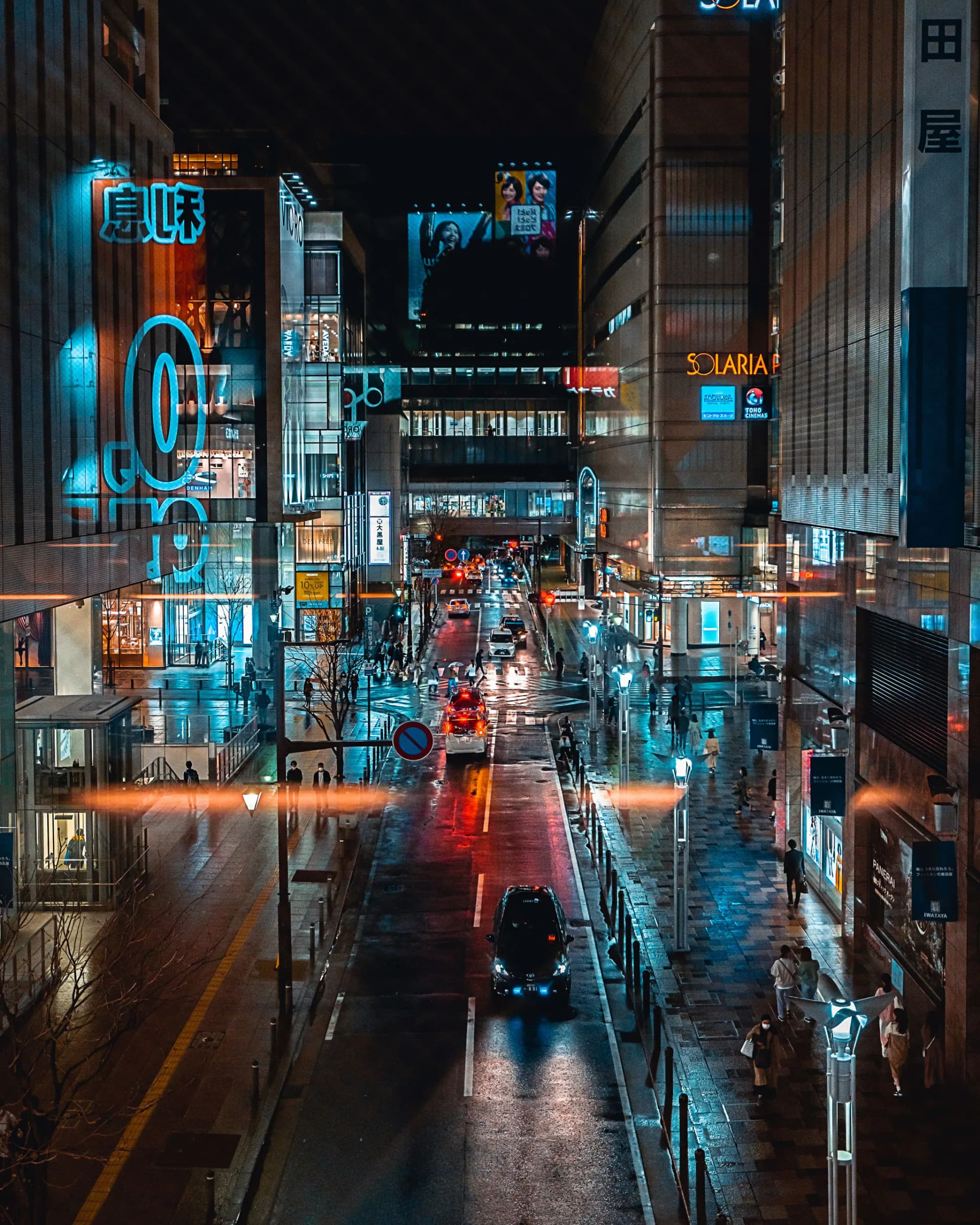
Things to Do in Fukuoka: Food, Parks, Temples, and Kyushu Day Trips
Fukuoka is an exceptionally easy city to arrive in, eat well in, and use as a base for Kyushu. It is relaxed without being empty, and the best routes balance Hakata's energy with parks, temples, coastline, and one carefully chosen day trip.
Build the route around the place, not just the pin.
Fukuoka is one of Japan's most welcoming large cities for travelers. The airport is close, Hakata Station is a major rail hub, and the city is compact enough that a route can feel full without spending all day in transit. Its ramen culture, food halls, temples, waterfront, shopping, and night energy fit naturally into a relaxed schedule.
Use the first city day for Hakata and Tenjin, then decide whether the next day should be a slower park-and-food day, a coastal route, Dazaifu, or another Kyushu city. Fukuoka's strength is not doing every nearby place. It is giving each area enough time to feel like a real part of the trip.
Things to Do in Fukuoka for a well-paced trip.
East central Fukuoka
Hakata, Canal City, and temple lanes
Use the station area, Tochoji, Kushida Shrine, shopping, and Canal City as a connected city day rather than separate cross-town stops.
Central Fukuoka
Tenjin and yatai evenings
Shopping streets, food floors, riverside walks, and evening stalls give Tenjin a natural late-day role. Arrive hungry, but keep dinner flexible rather than treating every stall as a reservation.
Central-west Fukuoka
Ohori Park and Maizuru Park
A calm park-and-water corridor that works well after a busier arrival day, with room for gardens, the former castle area, and a slow cafe or museum stop.
Beyond the center
Dazaifu or a coastal day
Dazaifu suits shrine, history, and town-walk travelers. The coast and Itoshima suit a slower driving or beach-oriented day when weather cooperates.
Interactive Map of Japan
Explore the route before you commit it to a day.
Use the public map to explore the locations, transport context, and nearby places that can help a day feel connected.
- Hakata Station
- Tochoji Temple
- Ohori Park
- Tenjin
- Dazaifu
Planning decisions that protect the trip.
Use the airport advantage wisely
Fukuoka Airport's closeness is a gift, not an excuse to overbook your arrival. Give yourself time for luggage, hotel drop-off, a local meal, and a simple first walk rather than a complicated timed attraction.
Let Hakata Station anchor regional travel days
Hakata is a major Kyushu rail hub. Start day trips early, leave a margin for platforms and reservations, and decide whether returning for a city evening is realistic before booking dinner.
Keep food plans useful, not overly rigid
Fukuoka is a great place to follow appetite and neighborhood energy. Anchor one meal or specialty you truly care about, then let the rest of the day stay flexible enough for places you discover naturally.
Go deeper with a guide.
Keep the practical details close.
Answers before you book.
How many days should I spend in Fukuoka?
Three nights works for the city and one regional outing. Four or five nights gives you space for Dazaifu, the coast, or another Kyushu destination without turning every day into transit.
Is Fukuoka a good first stop in Japan?
Yes. Its compact layout, short airport transfer, strong food culture, and easy rail connections make it a comfortable arrival city, especially for a Kyushu-focused trip.
Do I need a car in Fukuoka?
Not for central Fukuoka, Hakata, or Dazaifu. A car becomes more useful for a coast, rural, waterfall, or multi-stop Kyushu day that is awkward by train and bus.