

First-Time Japan Trip Logistics: What to Prepare Before You Go
A practical first-time Japan checklist for the small but important decisions that make arrival, transportation, payments, packing, and daily travel feel much easier.
Affiliate disclosure: Some links in this article may earn Japan Trip Planners a commission at no extra cost to you. Recommendations are included when they are genuinely useful for planning, and you should still compare current prices, terms, and official provider information before booking.
Start with the logistics that can stop a trip
The most important preparations are the ones that cannot be fixed easily at the airport. Check that every traveler's passport is valid for the trip, review the current entry requirements that apply to each nationality, and keep flight, accommodation, and onward-travel details easy to reach. Requirements can change, so confirm them with the relevant Japanese government and airline sources shortly before departure.
Review medication rules early rather than packing automatically. Some prescription and over-the-counter medicines that are common elsewhere may be restricted in Japan or may require advance permission. Carry necessary medicine in its original packaging with supporting documentation, and use official Japanese guidance for the final decision.
- Check passports, entry requirements, and airline document rules.
- Save accommodation addresses and reservation confirmations in Japanese and English.
- Review medication restrictions with enough time to request permission if required.
- Keep digital copies of important documents available offline and securely backed up.
Prepare cash, cards, and an everyday payment plan
Japan supports modern card and contactless payments in many places, but a first-time traveler should still carry Japanese yen. Smaller restaurants, temple offices, local buses, ticket machines, rural businesses, and older payment systems may be cash-only. A combination of cash, a primary card, and a separate backup card is safer than depending on one payment method.
Tell your bank about international travel when required, understand foreign transaction and cash-withdrawal fees, and make sure you know each card's PIN. Keep payment methods in separate places so a lost wallet does not remove every option. An IC card is useful for many local transit rides and participating shops, but it should complement cash and bank cards rather than replace them.
- Arrive with or withdraw enough yen for the airport transfer and first day.
- Carry a backup card separately from the primary wallet.
- Use an IC card for compatible local transportation and small purchases.
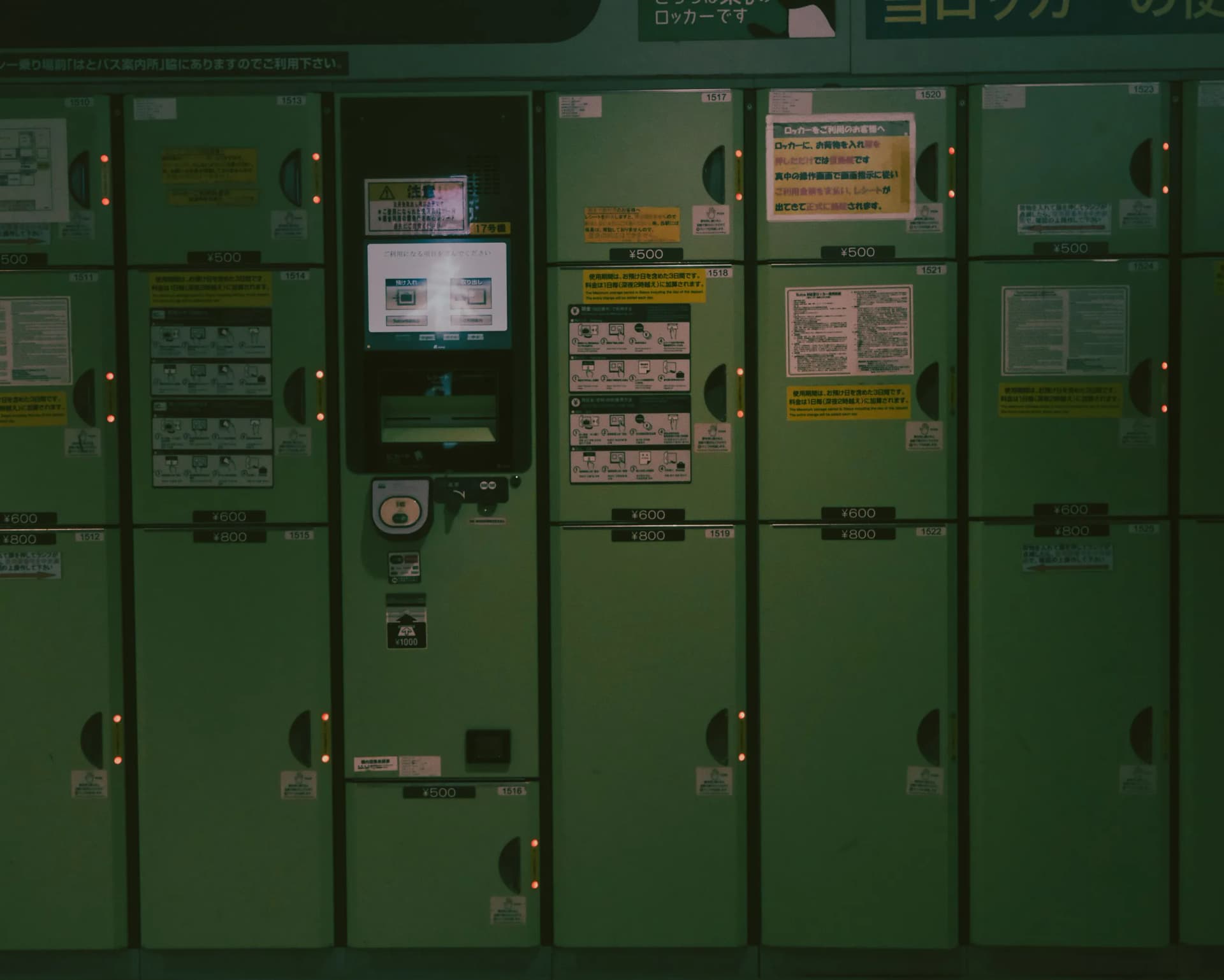
- Keep coins organized because fares, lockers, and small purchases can create change quickly.
Set up internet access before you need directions
Reliable mobile data makes station navigation, translation, reservation access, weather checks, and last-minute route changes much easier. An eSIM is usually the simplest fit for one compatible phone, while pocket Wi-Fi can be more practical when several travelers or devices need to share one connection. Confirm device compatibility, activation instructions, data limits, pickup details, and return requirements before the flight.
For a compatible phone, Yesim is one practical eSIM option, and code JAPANPLAN currently provides 15% off a first purchase. For a group or several devices, Japan Wireless offers pocket Wi-Fi rentals that can be collected for the trip. Compare the coverage and total price with your carrier before choosing.
Do not make the entire trip depend on a live connection. Download offline map areas, save the hotel address and phone number, screenshot the first airport transfer, and keep booking confirmations available without email access. Carry a charging bank and the cables or adapters needed to keep the phone usable through a long travel day.
Pack for walking, trains, weather, and smaller spaces
A Japan itinerary often involves more walking and more station navigation than the schedule suggests. Comfortable broken-in shoes, weather-appropriate layers, a compact umbrella, and a small day bag will usually matter more than extra outfits. Leave room for purchases and avoid packing a suitcase that becomes difficult to lift onto a train, move through a station, or store in a compact hotel room.
Large luggage changes the practicality of a route. Check current oversized-luggage requirements for reserved trains, confirm airline limits, and consider luggage forwarding between hotels when it meaningfully simplifies a transfer day. Keep medicine, valuables, documents, chargers, and one change of clothing with you rather than inside a bag being forwarded separately.
- Wear shoes that are already comfortable for long walking days.
- Pack layers that can adjust to weather, indoor heating, and air conditioning.
- Use a compact day bag while keeping valuables secure in crowded areas.
- Plan luggage forwarding and reserved-train storage before a city-change day.
Reserve the important things without booking every hour
Some experiences, restaurants, observation decks, museums, theme parks, limited trains, and seasonal events can sell out or require a timed entry. Klook can be a useful place to compare and reserve Japan activities in one account, and code ADVENTURRA may provide a discount on eligible bookings. Compare the final price, cancellation terms, inclusions, and time slot with the venue's official information before paying.
Make the highest-priority reservation the anchor of the day, then place nearby flexible activities around it. Keep confirmation numbers, QR codes, names used for booking, cancellation terms, and the exact meeting location together.
Avoid creating a trip that only works if every train, queue, and meal happens perfectly. Leave a buffer after airport arrivals and intercity transfers, protect time for station navigation, and keep at least one replaceable stop on busy days. Recheck operating hours and closure days with the official venue before finalizing the itinerary.
Make the first arrival day deliberately simple
Landing is only the beginning of the arrival process. Immigration, baggage collection, customs, cash withdrawal, connectivity setup, transit tickets, airport navigation, and the journey to the hotel can take a meaningful part of the day. Save a preferred airport transfer and a backup, and know the last practical service if the flight arrives late.
After an international flight, a light first afternoon or evening is usually more valuable than a fragile reservation. Check in, learn the immediate neighborhood, eat somewhere easy, and begin the first full sightseeing day rested. If the room is not ready, confirm whether the hotel can hold luggage and keep the first activity close to the hotel or arrival station.
Use a few daily habits to keep the trip calm
Each evening, check the next day's weather, first destination, important reservation, opening information, and transportation disruption notices. Charge devices, reload the IC card when needed, and move the next confirmation into an easy-to-find place. A short reset prevents small issues from accumulating into a stressful morning.
Follow posted rules and local guidance instead of relying on a universal etiquette checklist. Keep voices and phone use considerate on public transportation, queue where indicated, carry small rubbish until a suitable bin is available, and check photography, bathing, shoe, food, and luggage rules at each place. Thoughtful observation is more useful than trying to memorize every custom before arrival.
Your final first-time Japan logistics checklist
A well-prepared trip does not require predicting every detail. It requires protecting the essentials, creating backups for the decisions that matter, and leaving enough flexibility to respond when weather, energy, or transportation changes. Complete this final check a few days before departure, then review time-sensitive information once more before each major travel day.
- Entry documents and medication requirements are confirmed through official sources.
- The first airport transfer, hotel address, and backup route are saved offline.
- Cash, primary and backup cards, and an IC-card plan are ready.
- Mobile data, charging equipment, and offline reservations are prepared.
- Luggage size, forwarding plans, and reserved-train requirements are checked.
- Priority reservations are confirmed without overloading the surrounding days.
- Emergency contacts, travel insurance details, and copies of key documents are accessible.
- Opening hours, schedules, prices, and rules will be reconfirmed with official providers.
Travel details can change. Confirm current schedules, opening hours, reservation rules, prices, and entry requirements with the relevant official provider before booking or traveling.