
Things to Do in Sapporo: Food, Parks, Snow, and Hokkaido Planning
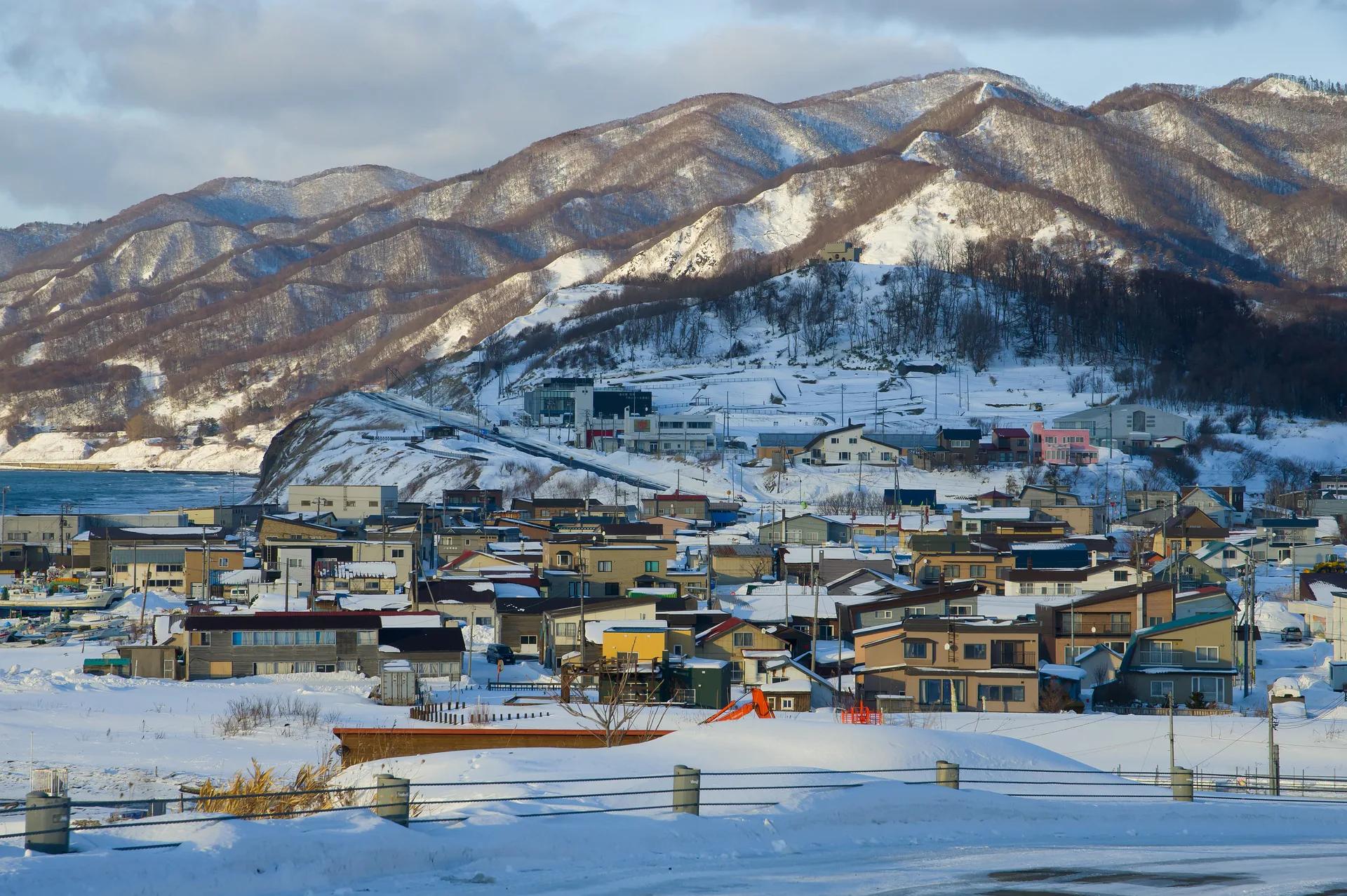
Sapporo is a city of great food, long evenings, crisp seasons, and a different rhythm from Tokyo or Kansai. It is the natural first base for Hokkaido, but it becomes more rewarding when you plan for weather, distance, and the city itself.
Build the route around the place, not just the pin.
Sapporo is a useful Hokkaido gateway, but Hokkaido is much larger than a typical Japan itinerary makes it seem. Start with a few strong city days, then decide whether a day trip genuinely fits the season and transport time. In winter, snow, early darkness, and weather make generous timing essential; in warmer months, parks, beer gardens, and nearby nature change the city's pace again.
The city itself can fill a first visit with Odori Park, the clock tower area, food markets, ramen, soup curry, beer history, Mt. Moiwa views, and Susukino nights. Add Otaru, a nature outing, or a farther Hokkaido route only after the city plan feels comfortable.
Things to Do in Sapporo for a well-paced trip.
Central Sapporo
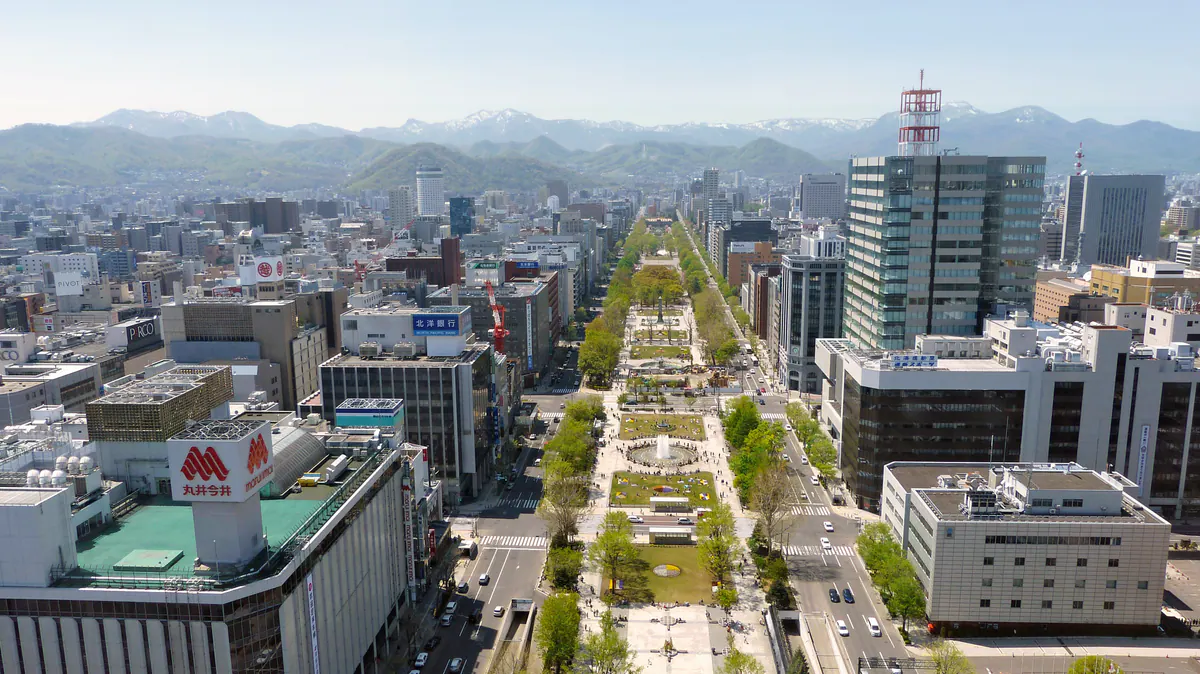
Odori Park and central landmarks
The park creates an easy corridor for the television tower, civic landmarks, seasonal events, shopping, and an unhurried first orientation walk.
Central city
Food markets and local specialties
Use one market or food-focused area as an anchor, then make room for Sapporo ramen, soup curry, seafood, or a brewery stop instead of attempting every famous meal in one day.
Southwest Sapporo
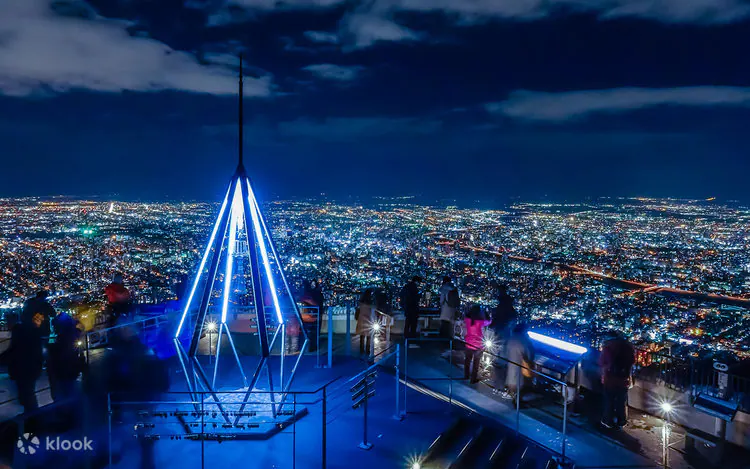
Mt. Moiwa and evening views
An evening city view works best when the weather is clear and the route includes realistic time for the ropeway or transport connection back to dinner.
Beyond Sapporo
Otaru or a seasonal nature day
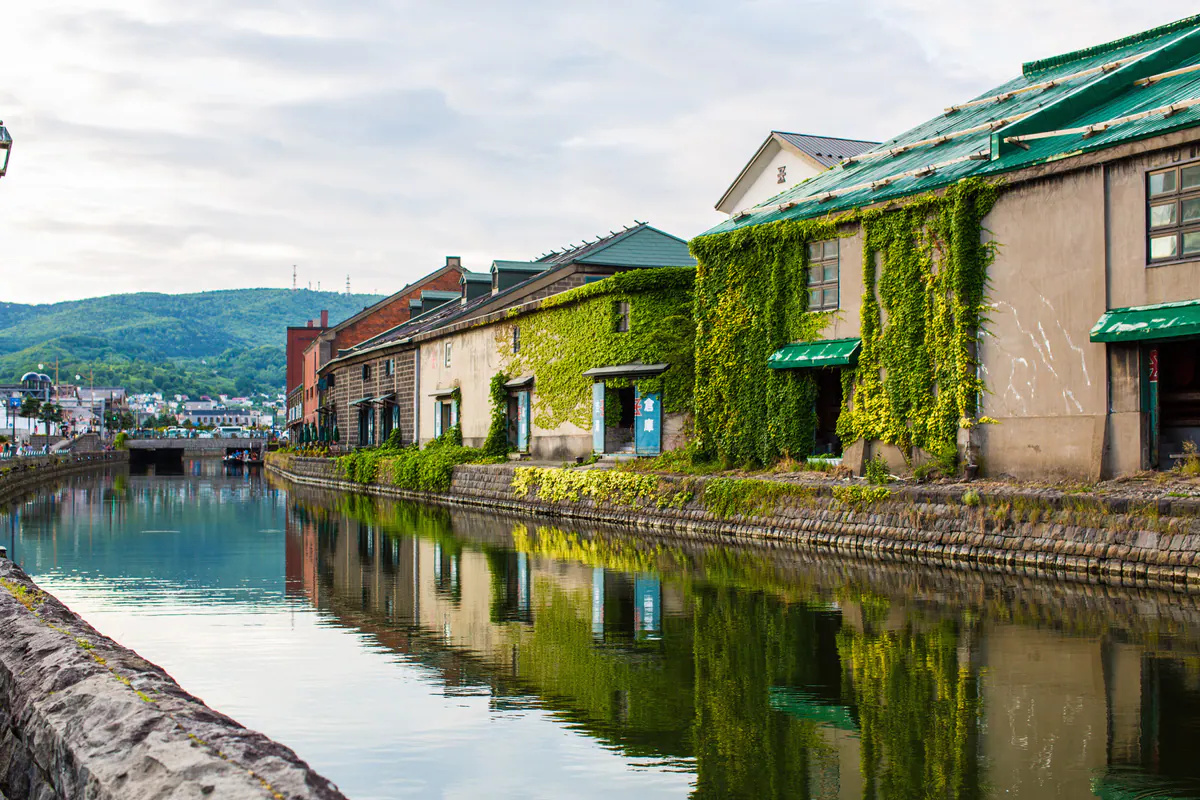
Otaru is a manageable addition for canal views, food, and a change of pace. Further Hokkaido attractions need closer attention to railway schedules, driving conditions, and overnight bases.
Plan Sapporo by neighborhood, with a separate Otaru day
Central Sapporo is a useful car-free base, but Hokkaido as a whole is not a compact city destination. Keep central sightseeing, an Otaru outing, and any longer rural journey in separate blocks of the trip.
Arrival and the right base for your nights
Choose Sapporo Station for JR arrivals and onward rail trips, Odori for a central sightseeing base, or Susukino for dining and evenings out. Check the walk between the hotel's entrance and its advertised station; a few extra blocks are more noticeable with luggage on snow. A car adds parking and winter-driving responsibilities without being necessary for this central route.
JR's published adult non-reserved fare from New Chitose Airport to Sapporo is JPY 1,230; a reserved seat is JPY 2,230. Those are rail fares, not hotel transfers. Allow additional time for the airport-station walk, waiting, and reaching your accommodation. In winter, avoid making a rural excursion or your flight depend on an unrealistically tight arrival connection.
One central day: Odori, the market, and Susukino
Start around Sapporo Station and walk south toward Odori, using the underground pedestrian route if pavements are icy or the weather is unpleasant. Choose the Clock Tower or a relaxed Odori walk rather than treating every landmark as a separate long attraction. Continue toward Nijo Market for a meal, then browse Tanukikoji before finishing around Susukino. This keeps the day in one connected central corridor.
Budget two or three main stops plus meals rather than six ticketed attractions. A market is not a promise of the lowest seafood price: compare posted menus, confirm what a set includes, and choose a meal that fits your budget. Leave a flexible indoor break for soup curry, coffee, or shopping instead of arranging every hour around outdoor photography.
Mount Moiwa is an optional clear-weather evening, not a compulsory ending. The approach involves city transport and the ropeway connection; it is not beside Odori Park. Check the operating status and visibility before traveling out. If low cloud hides the view, keep the evening for Susukino rather than paying for a summit visit simply because it is in the itinerary.
Otaru as its own five-to-seven-hour outing
Take JR from Sapporo to Otaru. Selected rapid services take roughly 30-35 minutes; the actual train may take longer. JR lists JPY 800 each way in a non-reserved seat, so two adult journeys total JPY 1,600 before food, local transport, and admissions. A reserved seat has an additional cost. Compare those journeys with a pass you already plan to buy rather than buying a Hokkaido-wide pass just for this short return trip.
From Otaru Station, head toward the canal, then continue through the Sakaimachi shopping area for glassware, music-box shops, and a meal. Returning via Minami-Otaru can avoid retracing part of the walk, but check your location and the next train before choosing that station. Five to seven hours from central Sapporo is a reasonable starting allowance; shops, snow, long lunches, and your walking pace can easily change it.
- Check JR service conditions before leaving Sapporo, particularly during heavy snow.
- Do the canal walk while there is daylight, then use the shopping and meal stops to warm up.
- Choose Otaru or Minami-Otaru for the return based on where you finish, not a fixed sightseeing order.
- Keep a comfortable buffer before any same-evening airport journey; do not make the last useful train your planned first choice.
Winter changes the pace, not just the packing list
Snow and ice make short walks slower, especially at crossings and station entrances. Wear footwear with suitable grip, keep your hands available for balance, and leave more time than a summer walking estimate suggests. Underground passages help in central Sapporo but do not connect every hotel or attraction. Check the actual entrance and elevator route if traveling with a stroller or mobility needs.
For a short first stay, keep a full central Sapporo day and a separate Otaru day. Add skiing, Furano, Biei, or a distant onsen only after mapping the complete transport and overnight requirements. A snowy field several hours away is not a simple extra pin to add after lunch in the city.
JR Hokkaido route fares and train details Rail prices checked October 24, 2026. Confirm the train, seat type, current timetable, and weather-related service notices before travel; itinerary durations are our planning estimates.
Interactive Map of Japan
Explore the route before you commit it to a day.
Use the public map to explore the locations, transport context, and nearby places that can help a day feel connected.
- Odori Park
- Sapporo Station
- Susukino
- Mt. Moiwa
- Otaru connection
Planning decisions that protect the trip.
Plan Hokkaido by season first
Snow festivals, powder trips, flower season, autumn color, and summer hiking create very different logistics. Check opening periods, weather, and route conditions before treating a seasonal attraction as guaranteed.
Respect Hokkaido's scale
A map can make distances look easier than they are. Build larger transport blocks than you would around Tokyo or Kansai and use overnights for destinations that do not naturally return to Sapporo.
Leave flexible indoor options
Winter storms, heavy rain, or heat can change the best plan. Markets, museums, food halls, cafes, and underground city connections make useful alternatives when conditions shift.
Go deeper with a guide.
Keep the practical details close.
Answers before you book.
How many days should I spend in Sapporo?
Three nights is a good start for the city and one nearby outing. Add days if Sapporo is the gateway to other parts of Hokkaido rather than treating long distances as day trips.
Is Sapporo worth visiting outside winter?
Absolutely. Spring, summer, and autumn offer different food, parks, gardens, festivals, and nature access. Winter is iconic, but it is not the only season worth planning around.
Do I need a rental car in Sapporo?
No for the central city. A car can be useful for rural Hokkaido, but winter driving needs confidence, appropriate equipment, and attention to conditions.