
Things to Do in Kumamoto: Castle, Gardens, Mt. Aso, and Kyushu Routes
Kumamoto is one of Kyushu's best combinations of city history and volcanic landscape. Give the castle and gardens their own room, then plan Mt. Aso or a countryside stay with transport time that matches the scale of the region.
Build the route around the place, not just the pin.
Kumamoto is a rewarding Kyushu stop because it gives a trip two distinct moods: a walkable city of castle walls, gardens, shopping streets, and local food, then the vast volcanic landscape around Mt. Aso. Treat those as separate experiences rather than squeezing them into one overambitious day.
A first route works well with one city day around Kumamoto Castle and Suizenji Jojuen Garden, then a second day for Mt. Aso, a hot spring base, or a slower countryside drive. Buses, trains, rental-car timing, weather, and volcanic access notices all matter more here than they do in a compact city-only itinerary.
Things to Do in Kumamoto for a well-paced trip.
Central Kumamoto
Kumamoto Castle and Sakuranobaba
Give the castle complex time for its reconstructed areas, viewpoints, and museum context, then continue through Sakuranobaba and the surrounding streets instead of treating the castle as a single quick photo stop.
East Kumamoto
Suizenji Jojuen Garden
This landscaped garden is a calm counterpoint to the castle. It works beautifully as a slower morning or afternoon, especially when the city center has felt busy.
Aso region
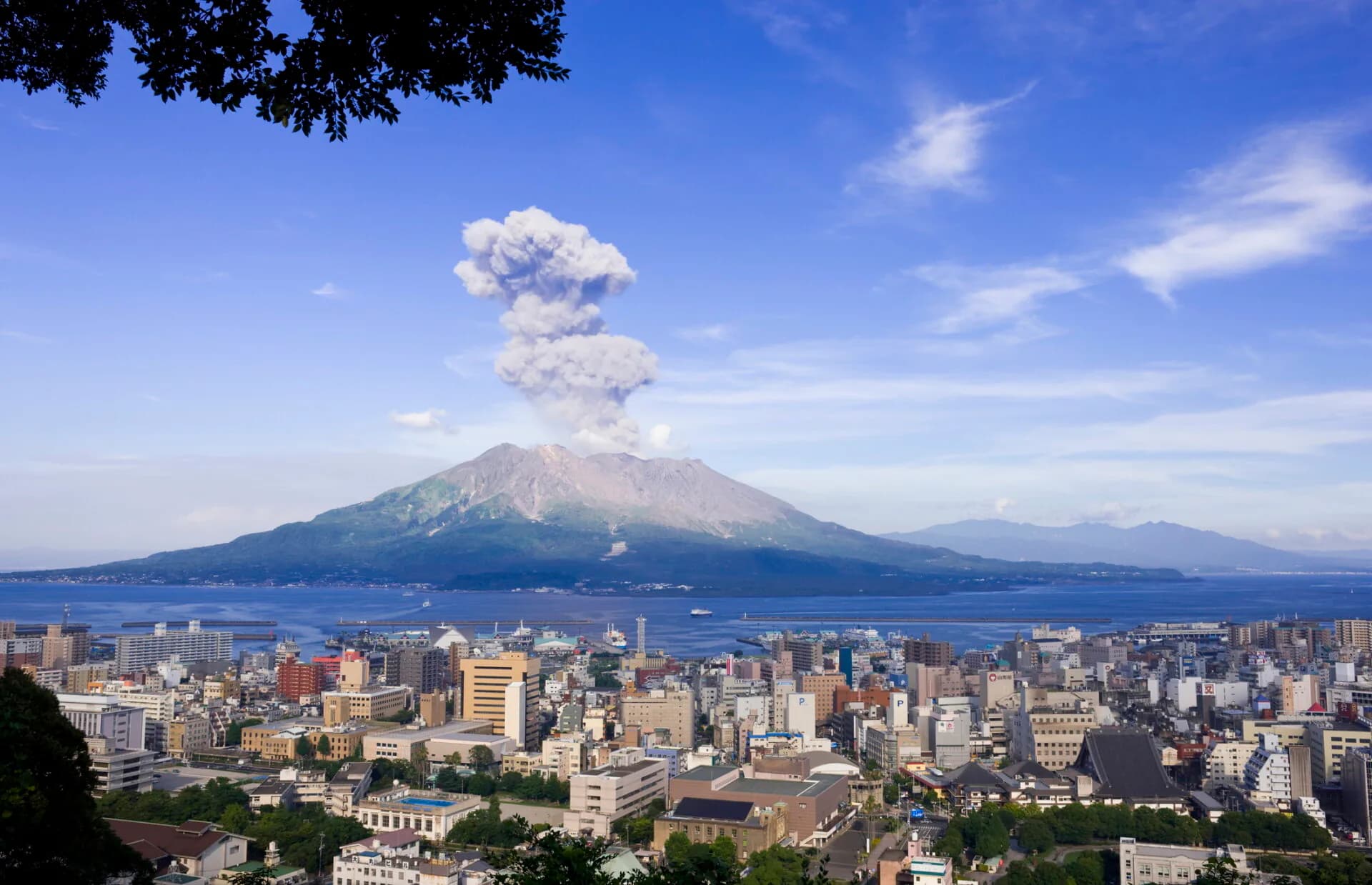
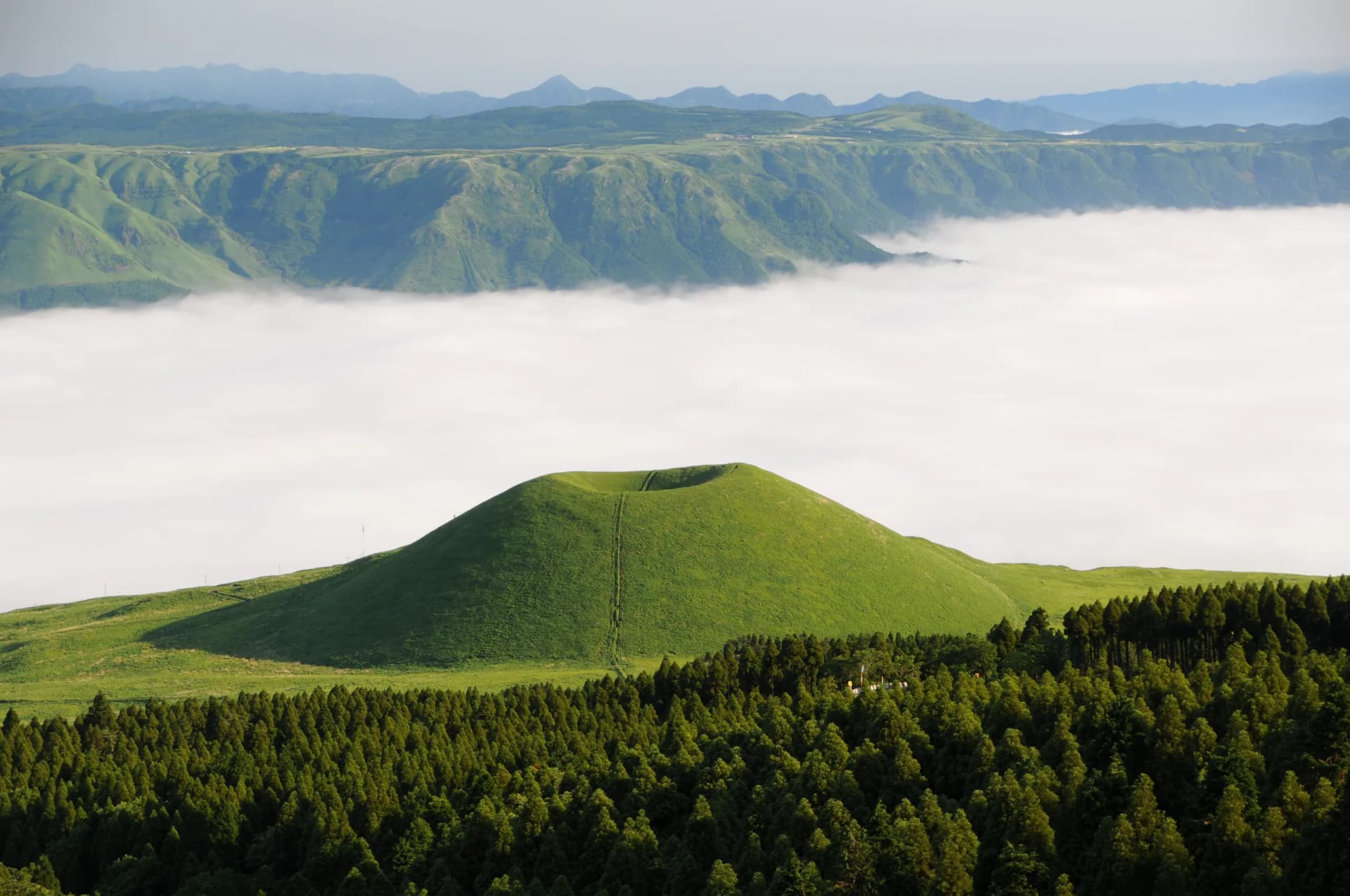
Mt. Aso and the caldera landscape
Aso needs a dedicated transport day. Plan for views, grasslands, crater-area access when permitted, and the possibility that weather or volcanic conditions will alter the most practical route.
Downtown Kumamoto
Local food and evening streets
Kumamoto ramen, regional snacks, and compact shopping streets make an easy evening after a city-focused day. Keep the meal flexible enough to follow the neighborhood rather than crossing town for a single reservation.
Interactive Map of Japan
Explore the route before you commit it to a day.
Use the public map to explore the locations, transport context, and nearby places that can help a day feel connected.
- Kumamoto Castle
- Suizenji Jojuen Garden
- Sakuranobaba
- Mt. Aso
- Kurokawa Onsen
Planning decisions that protect the trip.
Separate city plans from volcanic-country plans
Kumamoto Castle and Suizenji are comfortably city-based. Mt. Aso is not. Protect the experience by giving the Aso area a full day, an overnight, or a clear rental-car or bus plan with real return timing.
Check conditions before committing to Mt. Aso
Crater access, roads, ropeways, buses, and viewpoints can change because of weather, volcanic conditions, or maintenance. Confirm the current official notices close to the visit and keep a lower-elevation alternative ready.
Choose rail or car based on the day, not habit
Central Kumamoto is straightforward without a car. A rental car becomes more useful when you want several rural stops, waterfalls, onsen, or flexible Aso-area viewpoints that do not fit a fixed bus timetable.
Go deeper with a guide.
Keep the practical details close.
Answers before you book.
How many days should I spend in Kumamoto?
Two nights gives you a strong city day and one regional outing. Three or four nights gives you more room for Mt. Aso, an onsen stay, or weather flexibility without rushing the transfer days.
Can I visit Mt. Aso as a day trip from Kumamoto?
Yes, but give it the full day and check current transport and volcanic-access information. It is much more satisfying when the timetable, weather, and return connection are not squeezed around a city attraction.
Do I need a rental car for Kumamoto?
No for the central city. A car is helpful for rural areas, multiple Aso stops, waterfalls, and onsen, while a train or bus can work well for a simpler single-destination excursion.