
Things to Do in Kagoshima: Sakurajima, Hot Springs, Islands, and City Routes
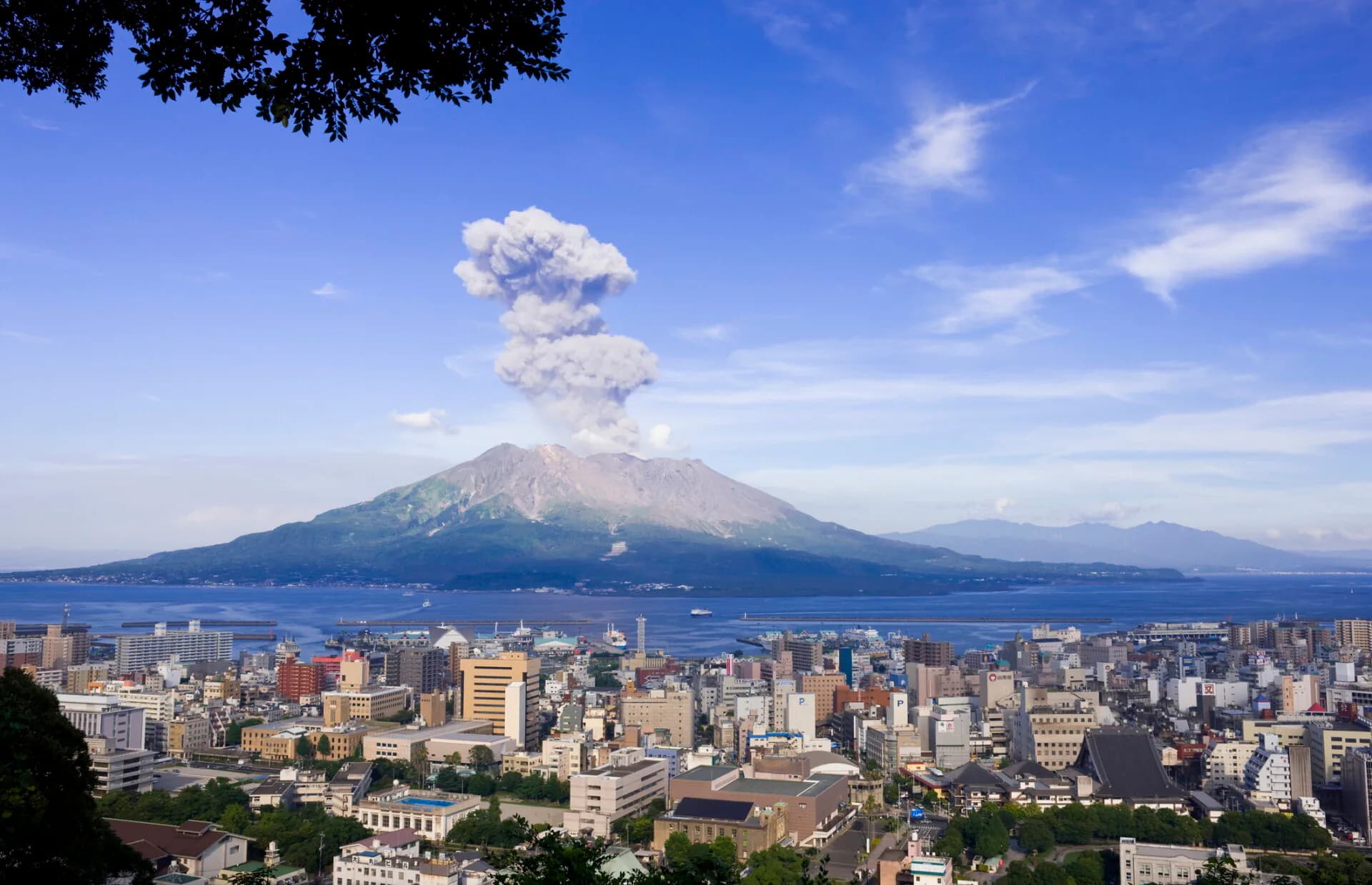
Kagoshima feels distinctly southern: a live volcano across the bay, powerful ferry connections, rich food, gardens, hot springs, and island gateways. It rewards travelers who plan the city, coast, and island ambitions as separate layers of a route.
Build the route around the place, not just the pin.
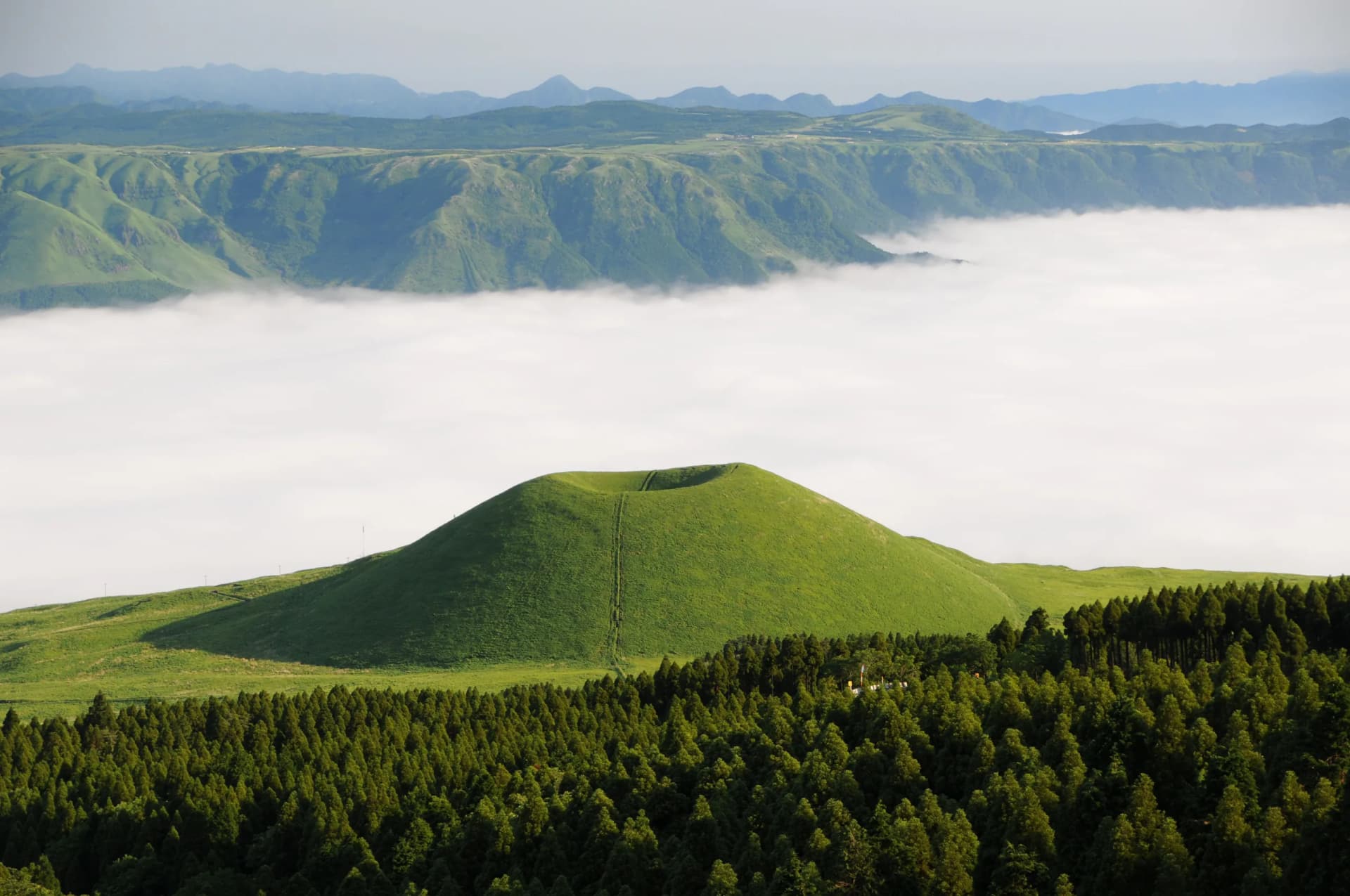
Kagoshima makes a memorable southern Japan base because Sakurajima is not a distant symbol; it shapes the view, ferry rhythm, and atmosphere of the city. A good first trip pairs the waterfront, gardens, shopping streets, and local food with a considered choice between Sakurajima, Ibusuki, Kirishima, Yakushima, or another island extension.
The key is scale. A Kagoshima city day can be compact, but a volcano loop, sand bath, island ferry, or Yakushima stay needs its own weather-aware logistics. Let the city be easy and use separate days or overnights for the places that genuinely sit beyond it.
Things to Do in Kagoshima for a well-paced trip.
Kagoshima Bay
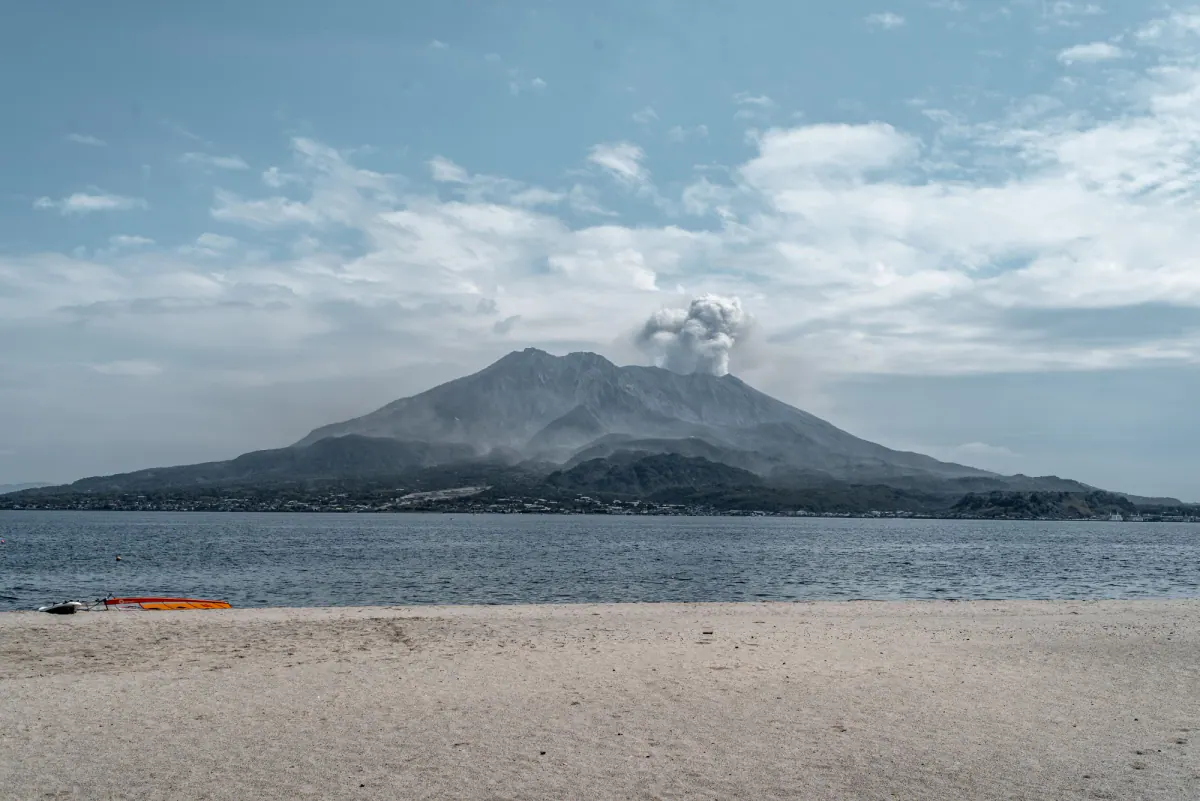
Sakurajima by ferry
The short ferry ride makes Sakurajima a practical half- or full-day extension. Pair it with viewpoint stops, walking, a footbath, or a bus loop, but stay flexible because visibility and conditions can shift.
Northern waterfront
Sengan-en and the bay view
The garden frames Sakurajima, historic buildings, and the bay in one of the region's most distinctive city experiences. Give it enough time to enjoy the grounds rather than treating it as a quick transfer stop.
Central Kagoshima
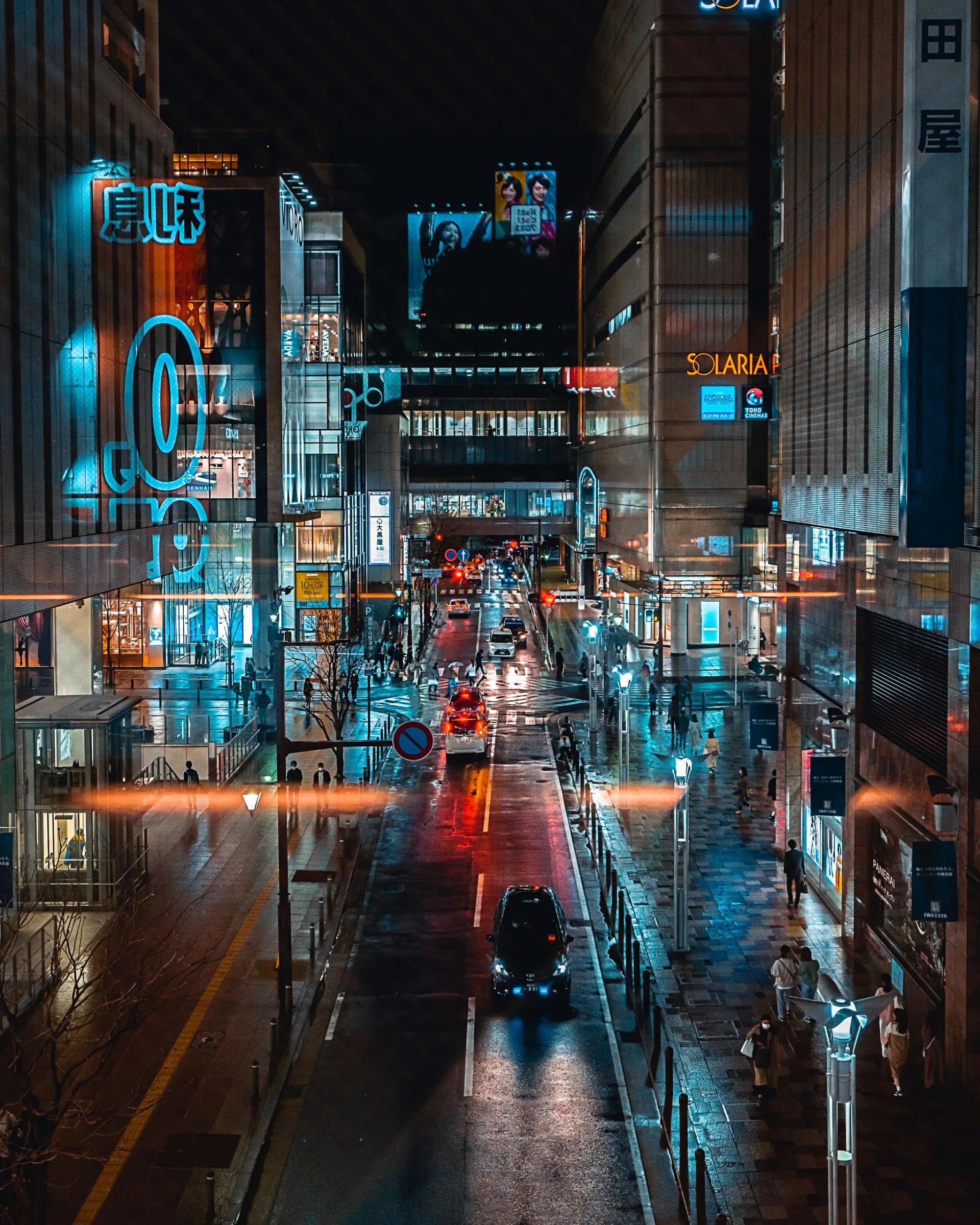
Tenmonkan and local food
Use the central shopping and dining area for an easy evening of black pork, shirokuma shaved ice, bars, and relaxed neighborhood wandering after the more scenic parts of the day.
Beyond the city
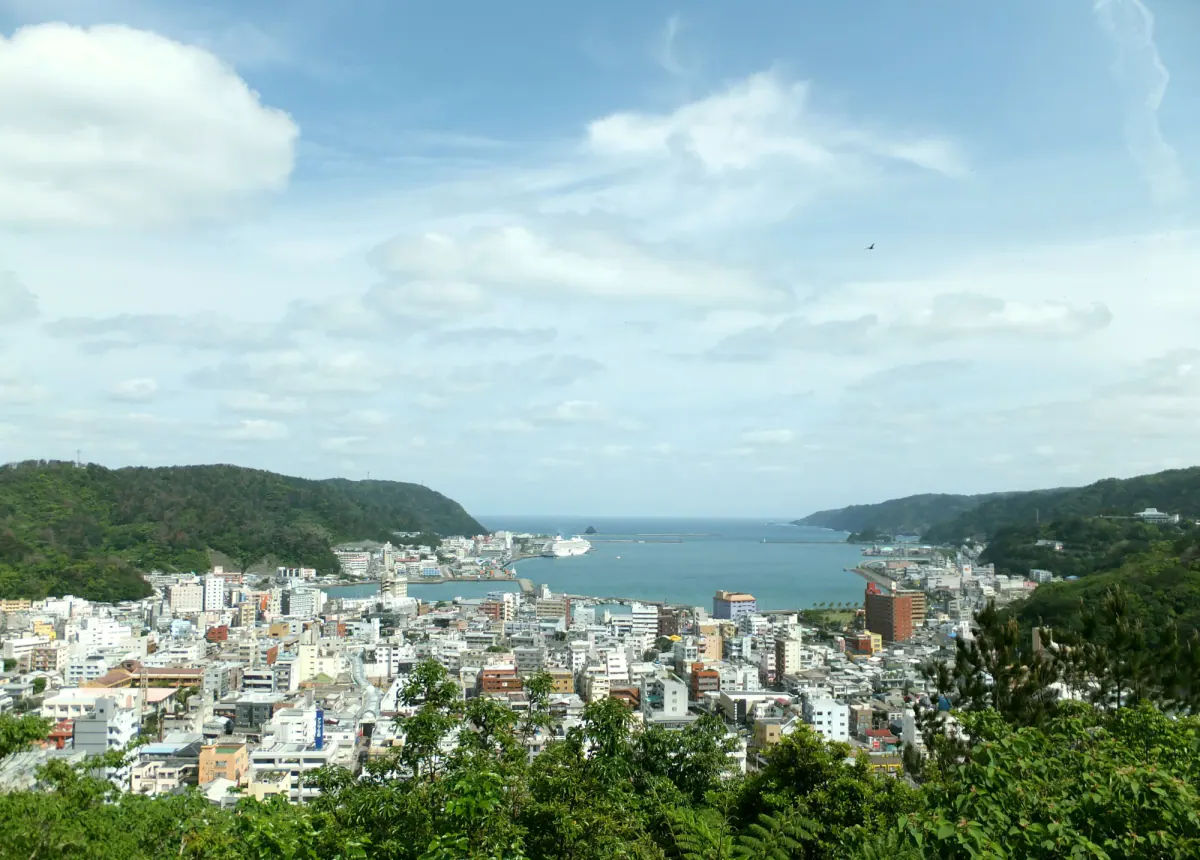
Ibusuki, Kirishima, or Yakushima
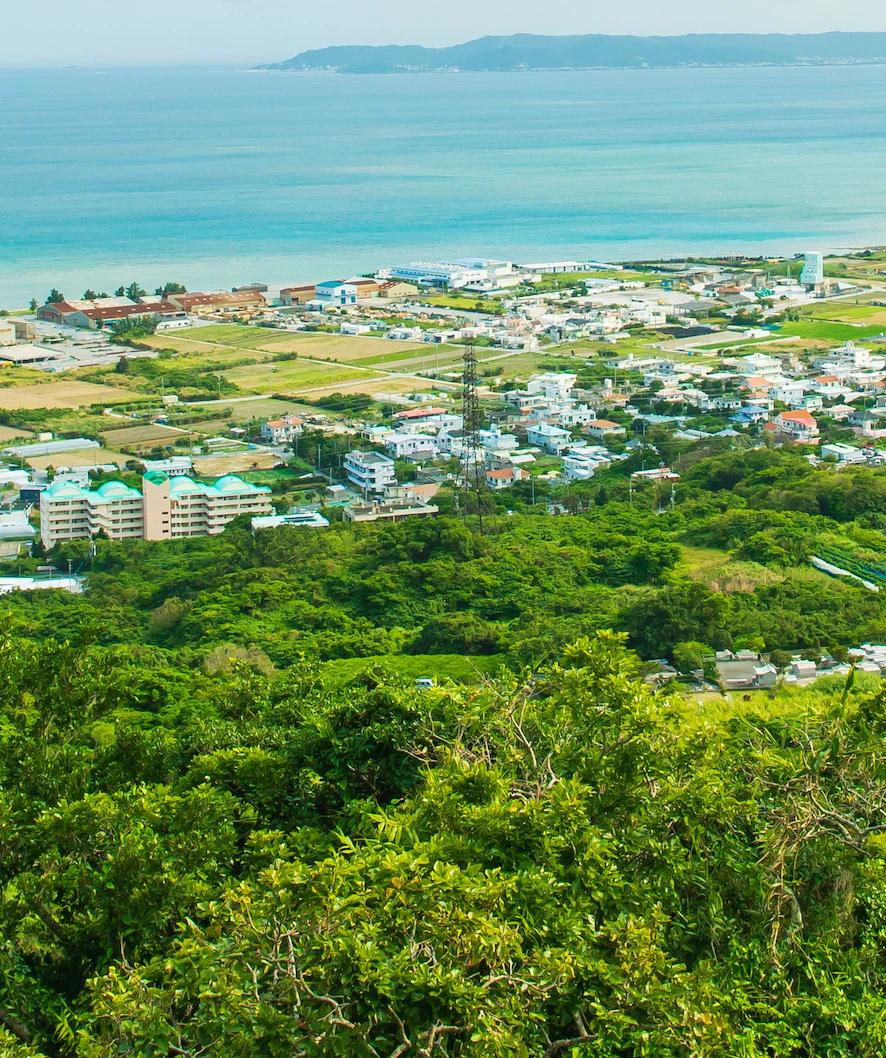
Choose one direction that matches the time you truly have: Ibusuki for sand baths, Kirishima for volcanic highlands and onsen, or Yakushima for a dedicated island stay and serious nature time.
A workable Kagoshima and Sakurajima plan
Treat Kagoshima city, the Sakurajima waterfront, and the volcano's wider road circuit as different outings. A short ferry ride does not mean every viewpoint is a quick walk from the pier.
Choose your base: Kagoshima-Chuo or Tenmonkan
Stay near Kagoshima-Chuo if the trip revolves around Shinkansen arrivals, an early onward train, or easy luggage handling. Tenmonkan is more convenient for an evening spent eating and walking in the central entertainment district. Check your hotel's nearest tram stop, not just the word Kagoshima: Kagoshima Station and Kagoshima-Chuo Station are different stations.
Do not plan Kagoshima Airport as if it were next to the central train station. It is outside the city and requires its own road transfer. On a flight day, protect the airport connection before adding a ferry excursion. For a two-night city stay, give one full day to Sakurajima and keep the arrival afternoon for Tenmonkan and the waterfront.
A half-day Sakurajima visit without a car
From Kagoshima-Chuo, a practical rail option is the tram to Suizokukan-guchi followed by the walk to the ferry terminal; allow approximately 30-45 minutes including waiting and finding the pier. The ferry crossing is around 15 minutes, with boarding time additional. The walk-on adult fare is JPY 250 each way, so budget JPY 500 for the return ferry before city transport or island buses. Fares are collected on the Sakurajima side in either direction.
For a manageable first visit, follow the sequence below. Reserve around four to five hours from leaving central Kagoshima to returning, rather than treating the ferry crossing as the duration of the outing. That gives you room for queues, lunch, and time outside; it is our planning allowance, not an operator tour duration.
- Reach Kagoshima Port and check both the ferry return options and today's island-bus departures.
- Cross to Sakurajima Port, then walk to the Sakurajima Visitor Center for context before exploring.
- Continue to the Nagisa waterfront and footbath area when conditions allow; bring a small towel if using the footbath.
- Add the Sakurajima Island View bus only if its timetable leaves a comfortable return. Its roughly 55-minute circuit includes Yunohira; it is not a full circuit of the island.
- Return to Kagoshima for dinner rather than stacking a distant excursion after the volcano visit.
What to change for ash, rain, or limited buses
Sakurajima is an active volcano. A sightseeing visit is not permission to approach the crater. Follow the current exclusion zones and local instructions, check ashfall and wind information, and do not rely on a map pin as evidence that a road or viewpoint is open. On an ashy day, consider glasses instead of contact lenses and protect camera gear; avoid rubbing ash into your eyes or lenses.
If visibility is poor or the ferry is disrupted, keep the day on the city side: combine the Museum of the Meiji Restoration near Kagoshima-Chuo with Tenmonkan, or choose the waterfront aquarium after checking opening times. Sengan-en is another outing with its own transfer and admission, not a stop to squeeze between a tight ferry connection and a train departure.
The ferry is no longer a 24-hour service: overnight departures between midnight and 03:59 were withdrawn from October 1, 2025. Check today's timetable and disruption notices rather than relying on older guides. A car is helpful for a wider island circuit, but compare the vehicle ferry fare, parking, and driving time before hiring one solely for the visitor-center area. Yakushima deserves a separate, weather-buffered plan rather than being an extra stop on this city day.
Sakurajima Ferry timetables and service notices Check the day's sailing status, latest return, fares, and volcanic-weather advice before crossing. Transport details checked October 24, 2026.
Interactive Map of Japan
Explore the route before you commit it to a day.
Use the public map to explore the locations, transport context, and nearby places that can help a day feel connected.
- Sakurajima Ferry
- Sengan-en Garden
- Tenmonkan
- Ibusuki sand baths
- Yakushima gateway
Planning decisions that protect the trip.
Use the ferry as part of the experience
Sakurajima ferry timing is usually approachable, but the island is larger than it looks. Decide whether you want a simple waterfront visit, a bus loop, or a driving route before you leave the city so the island does not turn into a rushed transfer.
Do not force Yakushima into a city itinerary
Yakushima is a separate trip layer with ferry or flight logistics, weather, and full hiking or nature days. Give it overnight time instead of treating it as a quick add-on to Kagoshima city.
Plan around ash, weather, and visibility
Sakurajima's conditions can change how the city feels. Carry practical outerwear, check current notices when necessary, and keep indoor food, museum, shopping, or garden alternatives available for poor visibility or rain.
Go deeper with a guide.
Keep the practical details close.
Answers before you book.
How many days should I spend in Kagoshima?
Three nights gives you a city day, Sakurajima, and one onsen or regional direction. Add more nights for Ibusuki, Kirishima, or a separate Yakushima stay.
Is Sakurajima worth visiting from Kagoshima city?
Yes. The ferry is part of the appeal, and the island offers a more immediate view of the volcanic landscape. Check conditions and choose a route that fits your available time.
Can I do Yakushima as a day trip from Kagoshima?
It is technically possible in limited circumstances, but it is not a strong way to experience the island. Yakushima is best planned as its own overnight extension because ferry or flight timing and weather can shape the whole experience.