
Yukata vs. Kimono: What's the Difference in Japan?
Kimono or yukata? Choose the right outfit for your Japan trip.
In this article
Affiliate disclosure: Some links in this article may earn Japan Trip Planners a commission at no extra cost to you. Recommendations are included when they are genuinely useful for planning, and you should still compare current prices, terms, and official provider information before booking.
What Is the Difference Between a Yukata and a Kimono?
The simplest answer is that a yukata is a lightweight, informal type of kimono, commonly worn at summer festivals and hot-spring inns. When a rental shop contrasts kimono with yukata, it usually means a more layered, coordinated kimono outfit versus a simpler warm-weather outfit.
Both have a wrap-front shape and an obi, the sash that holds the outfit together. Neither is just a costume. They are forms of Japanese clothing with different uses, and understanding those uses makes choosing an experience much easier.
The difference matters when you are deciding what to book. The outfit that looks wonderful in a winter Kyoto photograph may feel very different during a humid August afternoon. Equally, the comfortable robe waiting in your ryokan room is not automatically the same outfit a shop rents for a dressed-up walk through town.
Yukata vs. Kimono at a Glance
Think of these as typical arrangements, not a test every outfit must pass. Rental fashions, modern fabrics and individual styling can blur the boundaries. A photograph of someone's back is rarely enough to establish the fabric or exact dress code.
- Fabric: yukata are usually light cotton or cotton blends; kimono can use silk, wool, cotton, synthetic fabrics and other textiles.
- Layers: yukata are generally unlined and worn with suitable underwear or a light slip; kimono outfits commonly include a juban under-robe and more dressing accessories.
- Season: outdoor yukata are strongly associated with warm weather; kimono are styled for different seasons, including summer. Indoor ryokan yukata can be provided throughout the year.
- Occasion: yukata suit informal leisure settings; kimono span casual outfits through highly formal dress, rather than being formal by definition.
- Feet: geta sandals without tabi socks are a familiar yukata combination; zori sandals and split-toe tabi socks are common with kimono. These are useful clues, not universal rules.
- Dressing: a simple ryokan yukata can be relatively straightforward; a complete rental outfit may require several ties, adjustments and professional assistance.
What Is a Yukata, and When Do People Wear One?
A yukata is often your first introduction to traditional clothing in Japan. You might see colorful versions at a fireworks display, find a neatly folded one in an inn, or choose one at a summer rental appointment. Its lighter construction helps explain why it is associated with relaxed occasions rather than formal ceremonies.
The bathing connection is important, but it does not mean a yukata is swimwear. At a traditional onsen, it is clothing for before or after bathing; you normally remove it before entering the bathing area and water, following the property's instructions. Do not walk into a bath wearing the robe because its history is connected with bathing.
There is also a difference between an inn's simple house garment and a decorative going-out yukata. The latter may come with a more structured obi, hair accessories and professional dressing. Both can be yukata without looking equally elaborate. Ask what your booking or accommodation actually provides instead of assuming that the name guarantees a particular appearance.
Kimono Are Not All Formal, Heavy or Made of Silk
Kimono is the broader category. There are casual styles, special-occasion styles and different seasonal constructions. A komon, with an all-over pattern, is one example associated with informal dressing; a furisode is recognized by its long swinging sleeves and is associated with more ceremonial occasions.
Silk is an important kimono fabric, but it is not a requirement. Cotton, wool and synthetic kimono also exist. In fact, a sightseeing rental may use a practical synthetic fabric. That does not make it a yukata, and a high price or a shiny surface does not establish that an outfit is silk.
Formality comes from the whole arrangement: the garment, its decoration, obi and accessories, and the setting. If you have been invited to a wedding or another formal event, tell the shop exactly what you are attending. A standard sightseeing package is not a promise that you will be dressed appropriately for every Japanese ceremony.
How Can You Tell Them Apart by Looking?
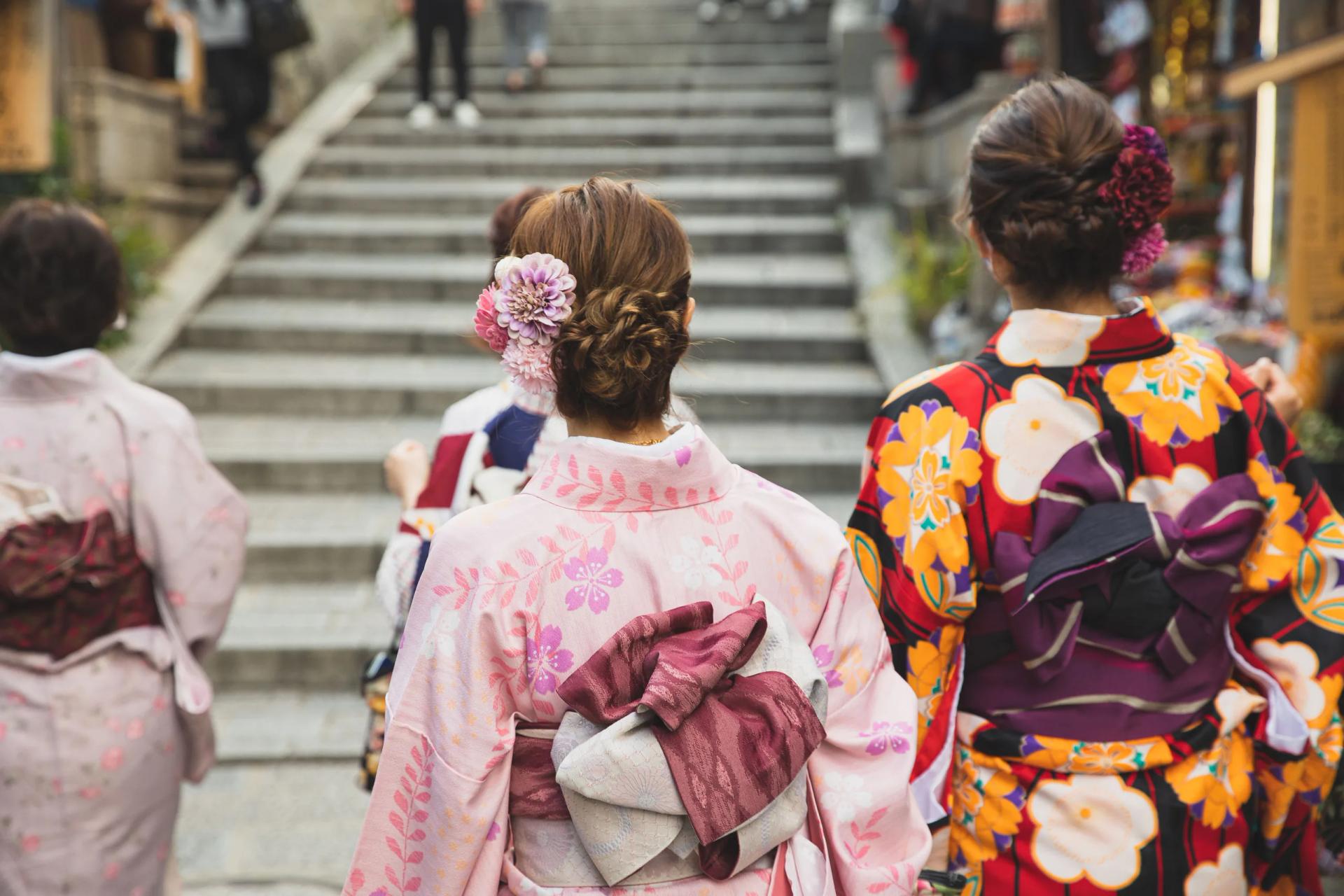
Start at the neckline. A visible inner collar can suggest a juban beneath a kimono, while a typical yukata has a simpler neckline without that separate under-robe collar. It is a clue, not proof: decorative collars and modern styling mean the outfit may not follow the simplest textbook example.
Next, look at the complete outfit rather than just the bow. An obi is used with both garments. A large, decorative bow does not automatically turn a yukata into a formal kimono, and men's outfits may use relatively understated sashes in either case.
Footwear can help, but do not make it the deciding factor. The familiar geta-and-bare-feet yukata look and the zori-and-tabi kimono look are common combinations, not a way to identify every photograph with certainty. Color is even less reliable: a soft pastel outfit can still be a kimono, while a vivid floral garment can be either.
Should You Rent a Kimono or a Yukata for Your Trip?
For a summer festival or an unhurried warm-weather walk, start by asking about a yukata. For a cooler-weather sightseeing day, ask about the shop's seasonal kimono outfits and available warm layers. A rental's summer switch dates are its own operating policy, not a nationwide rule that changes every wardrobe on the same morning.
Summer kimono also exist, including lighter unlined styles and airy textiles. The choice is therefore not simply kimono for winter and yukata for summer. Explain the date, likely weather and activities to the dresser, then choose the outfit that matches the experience you want.
Our practical recommendation is to keep the dressed-up part of the day local. A short neighborhood walk, a few planned photographs and a comfortable break will usually make better use of the rental than a cross-city sightseeing marathon. Leave the long hill climb or rushed station transfer for after you change back into your usual clothes. Our guide to Japan's seasons can help you think through the conditions along your route.
How to Wear Kimono and Yukata Respectfully
For both garments, wrap the wearer's left panel over the right. This means your own left side, not the left side of a person facing you. Right-over-left is traditionally associated with dressing the deceased. If you are unsure, ask your dresser or the ryokan staff rather than relying on a mirrored selfie.
Wear the underwear or light layers recommended by the shop; a yukata being lighter does not mean you should wear nothing underneath. Tell the dresser before leaving if the fit feels painful, the neckline seems insecure or you cannot move comfortably. Asking for a small adjustment is better than spending the afternoon struggling with it.
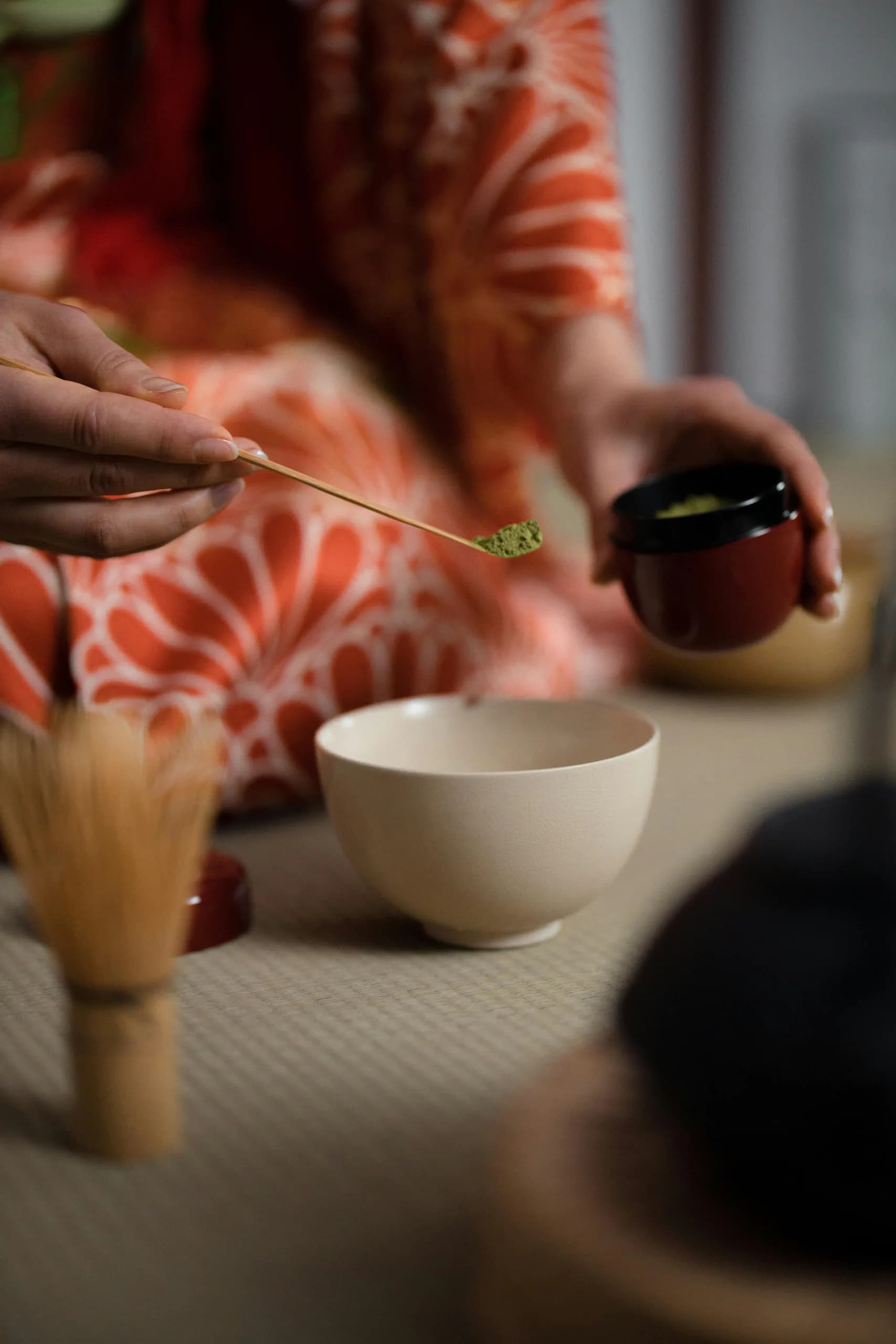
A visitor can book a kimono or yukata experience without needing to pretend to be Japanese. Treat the clothes and the setting respectfully, follow the host's guidance and ask before photographing other people. Traditional clothing does not give you permission to enter private lanes, block a doorway or ignore a no-photography sign. At a tea experience or other hosted activity, check whether a particular outfit is provided, recommended or simply optional.
Can You Wear Your Ryokan Yukata Outside?
Ask the accommodation. In Kinosaki Onsen, strolling between bathhouses in a yukata is part of the town's established visitor experience. That does not mean every hotel in central Tokyo wants guests to take its room robe out sightseeing. Some garments are intended for the room, some for shared inn areas, and some for walking through the surrounding onsen town.
Check separately about the dining room, lobby, garden and streets. If there are slippers or sandals, ask where those belong too. The robe being available in your room does not automatically mean it is a gift or that you can take it home.
A simple inn yukata is a good opportunity to ask staff for a demonstration of the wrap and sash. Keep it securely closed when walking or sitting, and arrange the hem so you are not tripping on it. There is no need to create an elaborate rental-shop bow just to enjoy a comfortable evening at the inn.
What Should You Check Before Booking a Rental?
Compare the complete experience, not just the cheapest headline price. Dressing, hair styling, a bag, footwear, garment upgrades, photographs and next-day return can be included in one package and extra in another. A listing offering photography may refer to a paid option rather than a photographer included in every booking.
Check the actual branch address against your walking route. Two branches with the same brand name can be on opposite sides of a city. Save both the appointment and the return location; returning to the shop is part of the day's schedule, not something to work out when you are already late.
Do not treat the appointment time as the moment you will be dressed and outside. You still need to choose an outfit, change, be fitted and possibly have your hair done. Ask the shop how long to allow for your group and avoid putting another timed booking immediately afterward.
- Confirm the season's garment selection and whether the pictured style belongs to your selected package.
- Ask in advance about height, body measurements, children's sizes, footwear and any dressing or mobility needs.
- Check the final return deadline, late fees, next-day options and what happens if it rains.
- Read the cancellation and damage terms, and check whether luggage storage costs extra.
- Bring only what you need for the walk, and decide where your ordinary clothes and shoes will stay.
Planning a Rental Day in Kyoto or Asakusa
In Kyoto, pick one compact area rather than trying to combine every famous temple in the same outfit. The lanes around Kiyomizu-dera can involve slopes, steps and crowds; check how that fits your comfort in the rented footwear. For a gentler day, discuss a shorter route with the shop and leave plenty of time to get back.
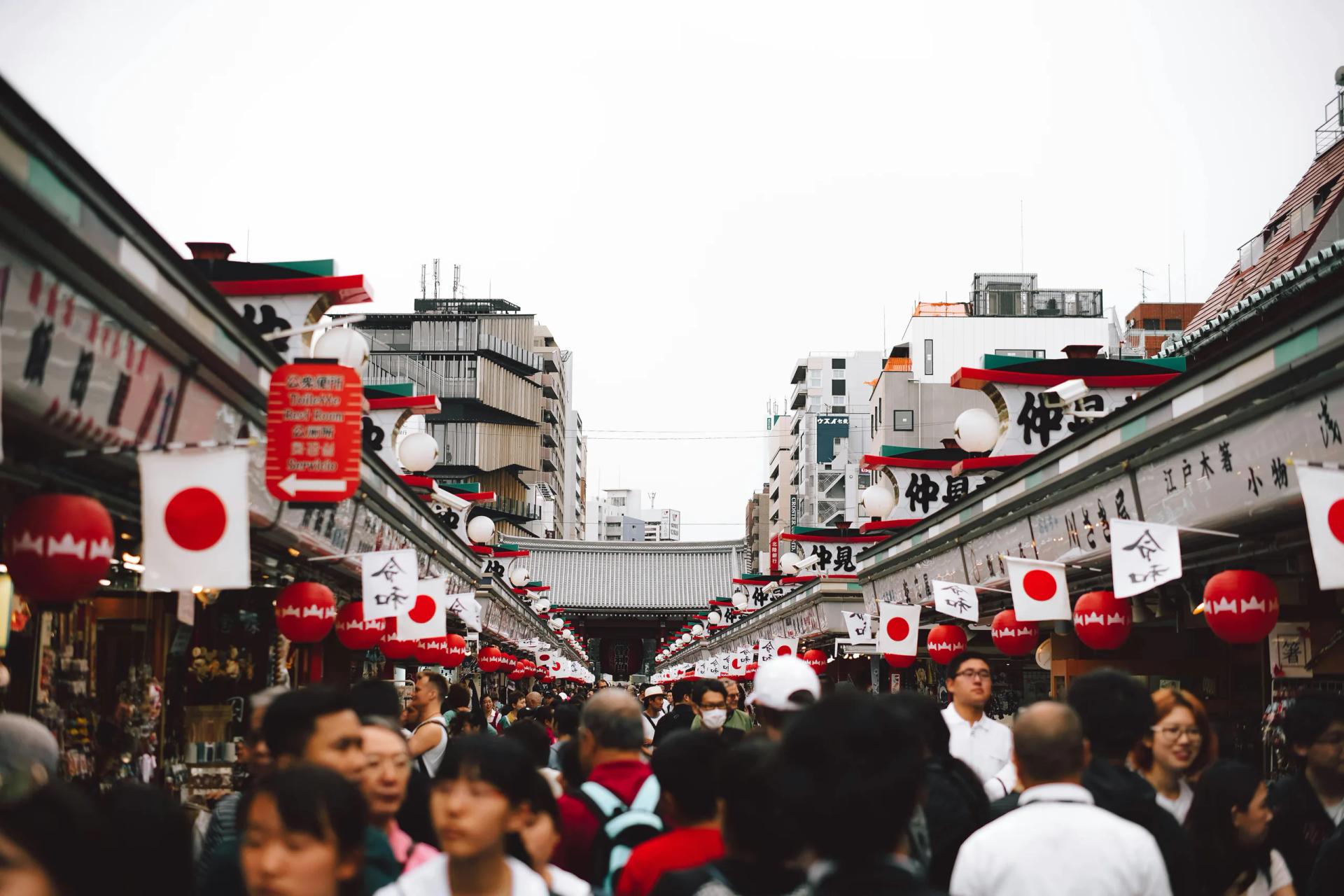
In Tokyo, Asakusa offers a straightforward area to organize around a rental appointment. You can plan the Senso-ji area on our map and a nearby break without adding an immediate journey across the city. Busy shopping lanes still require patience, and a shop's name including Asakusa Station does not mean you should assume every station exit is equally convenient.
Affiliate disclosure: Japan Trip Planners may earn a commission at no extra cost to you if you book through the links below. Check the selected branch, seasonal garment, package inclusions and date-specific availability before paying. We do not guarantee that a particular fabric, design, hairstyle or photography service is included.
Build the rest of your day around the neighborhood, not the other way around. Our Tokyo activity guide has more ideas to choose from before or after you return the outfit.
Frequently Asked Questions About Yukata and Kimono
Is a yukata a type of kimono? Yes. It is an informal, generally lightweight type. Rental listings often use kimono to mean their non-yukata outfits, which is why the names can appear to describe completely separate categories.
Can men wear both kimono and yukata? Yes. Both have men's styles. Do not choose based only on the elaborate obi bows or floral designs often shown in women's rental photographs; ask to see the options available for your booking.
Can you wear a kimono in summer? Yes. Appropriate seasonal kimono exist. Ask about the fabric and layers rather than assuming the shop will provide a winter-weight outfit, and plan an outing that is sensible in the actual heat.
What is the difference between kimono, haori and hakama? A haori is an outer jacket, while hakama are pleated lower-body garments worn over kimono in certain outfits. They are not alternative names for yukata. If you want a particular photographed combination, show it to the rental shop and ask what the package includes.
Is a yukata always cheaper? No. A basic yukata may be less expensive than a more elaborate kimono outfit, but fabric, styling, photography, location and date can change the total. Compare like-for-like packages rather than treating one word as a price guarantee.
Can I keep the yukata from my hotel? Only if the hotel explicitly says it is included for you to keep or you purchase it. Normally, a garment provided for use during the stay should remain with the property. Ask before packing it.
Choose the Experience, Not Just the Photograph
The best choice is the one that suits your season, setting and plans. For some travelers that means a light yukata and a relaxed festival evening. For others it means a carefully coordinated kimono, a few favorite streets and enough time to enjoy being dressed differently without rushing.
Choose the neighborhood and appointment first, then keep the rest of the day realistic. You do not need to become an expert in every garment before booking. Knowing the basic difference, asking thoughtful questions and accepting help with the fit is a much better starting point than trying to identify everything from a bow or a floral pattern.
Travel details can change. Confirm current schedules, opening hours, reservation rules, prices, and entry requirements with the relevant official provider before booking or traveling.