
Skip to content
Japan Trip Planners

Search Japan Trip Planners

Loading search...

Affiliate links may earn us a commission at no extra cost to you. Affiliate disclosure.

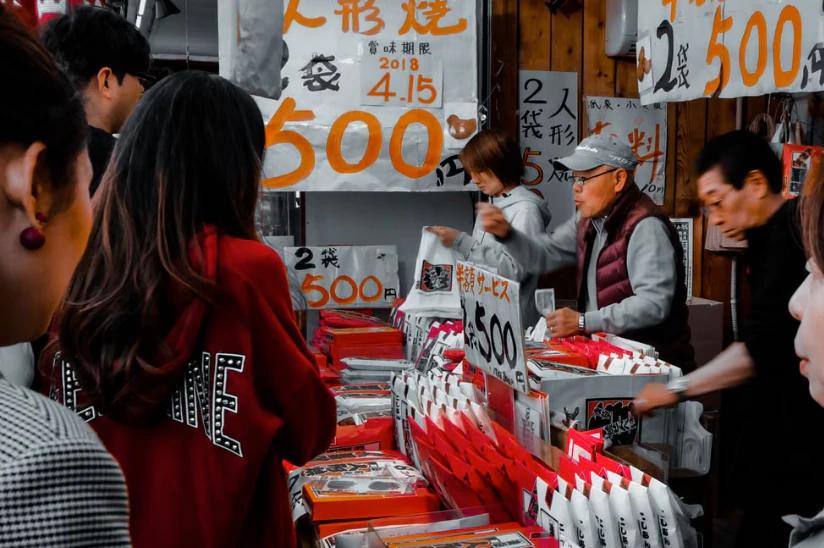
Customers browsing a Japanese shop selling packaged sweets beneath handwritten price signs
Travel TipsCultureTrip Planning

Must-Know Japanese Phrases for Your Japan Trip

Useful Japanese for ordering, shopping, train journeys and everyday travel.

By 12 min read
In this article

Affiliate disclosure: Some links in this article may earn Japan Trip Planners a commission at no extra cost to you. Recommendations are included when they are genuinely useful for planning, and you should still compare current prices, terms, and official provider information before booking.

How Much Japanese Do You Need for a Japan Trip?

You do not need to speak fluent Japanese to travel around Japan, but a small set of useful phrases can change how comfortable the trip feels. Ordering a snack, checking a train's destination or thanking someone for helping with your suitcase becomes easier when you have a few words ready.

The most useful Japanese for travel is not a memorized speech. It is a collection of short, polite requests that you can adapt, plus a way to say that you did not understand the answer. Begin with the situations already in your itinerary rather than trying to learn every possible conversation.

This guide includes Japanese writing so you can show a phrase if speaking is difficult, and romanization so beginners can start practicing. The English meanings explain the intended use rather than translating every word literally. Keep your voice natural, give the other person time and remember that being understood matters more than delivering a perfect performance.

The Five Japanese Phrases to Learn First

If departure is close, learn these before adding a longer list. Together, they help you start an interaction, request something, thank the person and recover when the reply comes too quickly.

  • すみません / Sumimasen: Excuse me, or sorry. Use it to get a staff member's attention or apologize for being in someone's way.
  • ありがとうございます / Arigatou gozaimasu: Thank you. This polite version works well with shop staff, hotel staff and people helping you.
  • これをお願いします / Kore o onegaishimasu: This one, please. Point clearly to a menu item or product while saying it.
  • もう一度お願いします / Mou ichido onegaishimasu: Once more, please. Use it when you need someone to repeat what they said.
  • 日本語があまりわかりません / Nihongo ga amari wakarimasen: I don't understand much Japanese. Say this early instead of nodding through important information.

A Simple Way to Practice Japanese Pronunciation

Romanization is a starting point, not an exact English pronunciation guide. Japanese vowels are generally steadier than English vowels: think roughly ah, ee, oo, eh and oh. Read short chunks slowly, then listen to someone saying the whole phrase rather than guessing from the letters alone.

Long vowels matter. In spellings such as arigatou and mou, the ou usually represents a longer o sound, not two strongly separated English syllables. The final u in desu or masu can sound very light in ordinary speech. You do not need to exaggerate every written letter, but do not rush so much that the phrase becomes unrecognizable.

Try practicing with your actual plans: say the name of your arrival station, the food you want to order and the hotel where you are staying. If a word keeps causing trouble, keep its Japanese spelling available to show. A clear name on a screen is more helpful than repeating the same unclear pronunciation louder.

Greetings and Polite Everyday Japanese

You do not need a complicated greeting every time you buy something. A friendly acknowledgment and a thank-you are enough for many brief interactions. These polite basics are useful when entering a small business, meeting a guide or speaking to your accommodation host.

  • おはようございます / Ohayou gozaimasu: Good morning.
  • こんにちは / Konnichiwa: Hello, commonly used during the daytime. The final は is pronounced wa here.
  • こんばんは / Konbanwa: Good evening. This greeting also ends with a wa sound.
  • はい / Hai: Yes. It can also acknowledge that you are listening, so listen to the whole response rather than treating every hai as confirmation of your request.
  • いいえ、結構です / Iie, kekkou desu: No, thank you. Useful for politely declining something optional; use a more specific reply when the question is about a bag, heating food or another practical choice.

What to Say When You Do Not Understand the Reply

Knowing how to ask a question is only half the conversation. A station employee may answer with a platform number, a shopkeeper may explain a price and a server may ask a follow-up question. Give yourself permission to pause and ask for clarification.

Daijoubu desu can mean something is fine, that you are okay or that you do not need an offered item. It is not a universal yes. If a cashier asks whether you want a bag, a direct bag-related reply is clearer than relying on this phrase and a gesture. For bookings, food restrictions or safety, ask for an unambiguous explanation.

  • ゆっくりお願いします / Yukkuri onegaishimasu: Slowly, please. Pair it with sumimasen when speech is too fast.
  • 英語を話せますか / Eigo o hanasemasu ka?: Do you speak English? Ask politely rather than assuming English support is available.
  • わかりません / Wakarimasen: I don't understand, or I don't know. Context determines which meaning fits.
  • ここに書いてください / Koko ni kaite kudasai: Please write it here. Offer a suitable place to write, such as your phone's notes screen or a piece of paper.

Japanese Phrases for Restaurants and Ordering Food

At a restaurant, the first question is often about how many people need seats. Once seated, a short request and a clear point at the menu can work better than a long sentence you cannot comfortably repeat. Use the ordering method the business provides, whether that is table service, a ticket machine or a counter.

A useful mini-conversation is sumimasen, followed by kore o onegaishimasu while pointing, then arigatou gozaimasu. If you are ordering for several people, make quantities clear. Hitotsu and futatsu are useful general counts for one and two items; hitori and futari refer to one and two people, not numbers of dishes.

Before eating, you may hear itadakimasu, an expression of gratitude before a meal. Gochisousama deshita expresses thanks after eating. Neither replaces actually ordering or paying. Watch how the restaurant handles the bill rather than assuming every place collects payment at the table.

  • 一人です / Hitori desu: One person. 二人です / Futari desu: Two people.
  • 英語のメニューはありますか / Eigo no menyuu wa arimasu ka?: Do you have an English menu? It is a request, not a guarantee that one exists.
  • おすすめは何ですか / Osusume wa nan desu ka?: What do you recommend? Be ready to point, read or ask about the answer.
  • お水をお願いします / Omizu o onegaishimasu: Water, please.
  • お会計をお願いします / Okaikei o onegaishimasu: The bill, please.
  • おいしかったです / Oishikatta desu: It was delicious. A simple way to thank someone for a meal you enjoyed.
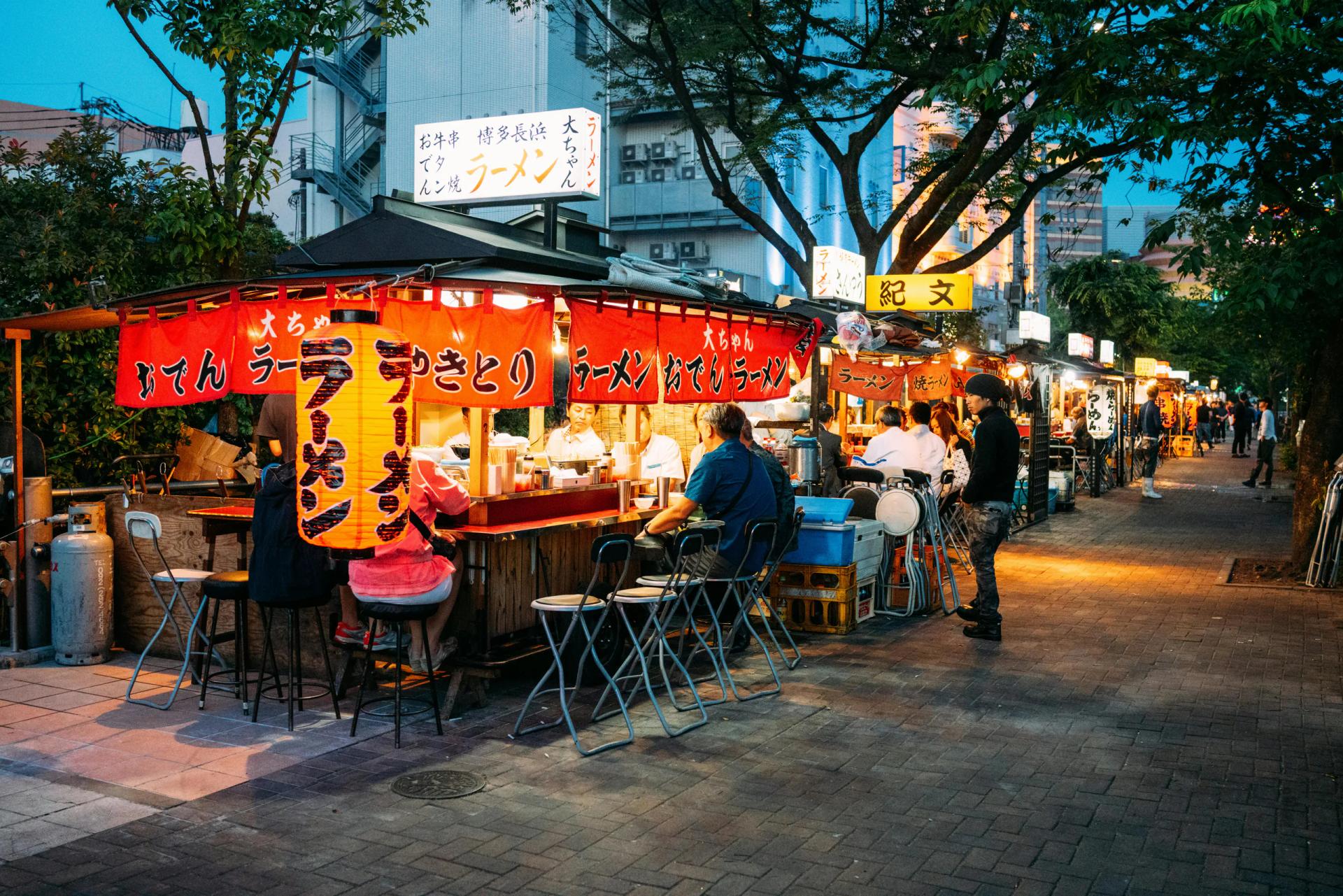
Customers eating at small Japanese food stalls with red curtains and illuminated ramen signs
At a small food stall, short requests, clear quantities and patient listening are more useful than a long memorized speech.

Explain Food Allergies and Dietary Requirements Clearly

Treat this as an important conversation, not a chance to test a new phrase. The examples below can introduce the issue, but they do not establish that a dish is safe. Explain the exact ingredient, relevant sauces or stocks and any cross-contact requirements before ordering. A food dislike, a religious restriction and an allergy are different needs.

  • 食物アレルギーがあります / Shokumotsu arerugii ga arimasu: I have a food allergy. Follow with your specific written information.
  • これには卵が入っていますか / Kore ni wa tamago ga haitte imasu ka?: Does this contain egg? Replace the ingredient only when you are sure of the correct word; a no does not answer a separate cross-contact question.
  • 肉と魚は食べられません / Niku to sakana wa taberaremasen: I cannot eat meat or fish. Explain separately if fish stock, gelatin, dairy or other ingredients also matter.

For a serious allergy, prepare a clearly written Japanese communication card with your clinician or another qualified professional as appropriate, and discuss it with staff. The Consumer Affairs Agency provides a food allergy communication sheet you can review before departure. Do not assume that removing a topping removes the allergen, or that a general nod means the kitchen can prevent cross-contact. If the business cannot confirm it can accommodate your needs, choose another option. Keep your prescribed emergency plan and medication accessible.

Shopping and Convenience-Store Japanese You Will Actually Use

Shopping conversations often move quickly because staff are asking familiar questions about payment, bags or food. You do not need to understand the entire sentence to recognize a few key words and give a specific answer. Fukuro means bag, and atatamemasu ka is a question about warming something up.

Use kore o onegaishimasu when choosing a product and check the displayed price or quantity before paying. A price on a shop sign might refer to a particular pack size or selected items, not everything on the counter. If you do not want an extra, a short clear refusal is perfectly reasonable.

  • いくらですか / Ikura desu ka?: How much is it? Point to the particular item or pack you mean.
  • カードは使えますか / Kaado wa tsukaemasu ka?: Can I use a card? Show the card if you need to check its specific payment network.
  • 袋はいりません / Fukuro wa irimasen: I don't need a bag. 袋をお願いします / Fukuro o onegaishimasu: A bag, please.
  • 温めてください / Atatamete kudasai: Please heat it up. 温めなくていいです / Atatamenakute ii desu: No need to heat it.
  • 持ち帰りでお願いします / Mochikaeri de onegaishimasu: To take away, please. ここで食べます / Koko de tabemasu: I'll eat here. Use these where the business offers those options.

Japanese Phrases for Trains, Directions and Taxis

Have the exact destination ready before asking for directions. Tokyo Station, the Tokyo area and a hotel with Tokyo in its name are not interchangeable. Show the station name or address in Japanese if possible, and ask about the train you are actually about to board rather than pointing vaguely across several platforms.

  • 駅はどこですか / Eki wa doko desu ka?: Where is the station? Replace eki with toire for the toilet: トイレはどこですか / Toire wa doko desu ka?
  • この電車は京都に行きますか / Kono densha wa Kyoto ni ikimasu ka?: Does this train go to Kyoto? Replace Kyoto with your destination; for a bus, replace densha with basu.
  • 何番線ですか / Nanbansen desu ka?: Which platform number? State or show your intended destination first.
  • ここまでお願いします / Koko made onegaishimasu: To here, please. Show the exact location or address when asking a taxi driver.

A yes about the destination does not tell you everything about the journey. The train may be a slower service, require a different ticket or involve another transfer. Check the service name, departure time and ticket conditions as well. If someone explains a change of trains, ask them to indicate the station name in writing. Our local transportation guide explains the practical side of these journeys.

For a taxi, showing the accommodation's full Japanese address is often clearer than reading its English marketing name. Keep the destination and confirmation details available offline so an unreliable connection does not turn a simple question into a stressful search.
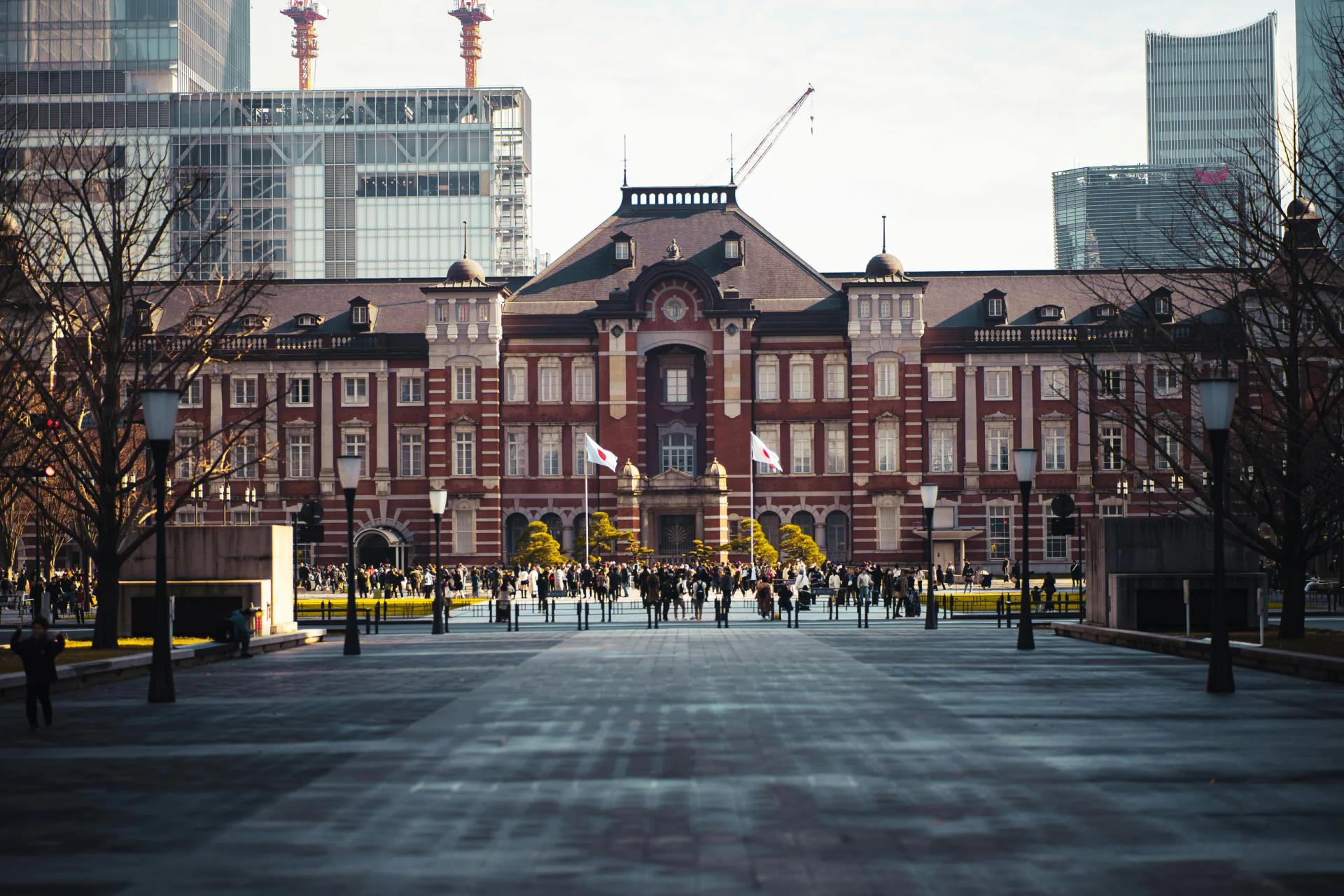
Tokyo Station's red-brick Marunouchi building seen across its broad pedestrian plaza
Save the exact station name and the exit you need. Asking where the station is does not identify the most useful entrance or platform.

Useful Japanese at Hotels and Ryokan

Keep the reservation name exactly as it appears on the booking. If a surname is unfamiliar to staff, showing the confirmation is easier than repeatedly changing its pronunciation. Practical questions about baggage, check-in and breakfast are worth preparing before you arrive.

A request is not a promise that the accommodation can provide the service. Early arrival does not automatically mean early room access, and baggage storage can depend on the property, date and size of your luggage. Confirm the arrangements rather than taking a polite acknowledgment as approval.

  • 予約しています / Yoyaku shite imasu: I have a reservation. Follow with the booking name and confirmation.
  • 荷物を預かってもらえますか / Nimotsu o azukatte moraemasu ka?: Could you hold my luggage? Explain whether you mean before check-in or after checkout.
  • 朝食は何時からですか / Choushoku wa nanji kara desu ka?: What time does breakfast start? Check where it is served and whether your booking includes it.

Ask Before Taking Photos or Entering a Space

A useful phrase can help you ask permission, but it does not override a sign or turn a private space into a public attraction. At a temple, small shop or hosted experience, ask before photographing an interior or display. For people, ask the person rather than assuming that permission to photograph a room includes everyone in it.

写真を撮ってもいいですか / Shashin o totte mo ii desu ka? means May I take a photo? Indicate clearly what you want to photograph. If you receive a refusal, an uncertain answer or a gesture toward a no-photography sign, put the camera away. A smile is not necessarily consent.

Simple Japanese for Asking for Help

助けてください / Tasukete kudasai: Please help me. In an urgent situation, getting attention and communicating your location matter more than producing a complete sentence. Show the address, a nearby landmark or the relevant written information if speaking is difficult.

救急車を呼んでください / Kyuukyuusha o yonde kudasai: Please call an ambulance. Japan's ambulance and fire emergency number is 119. The Tokyo government explains the ambulance-call process. Do not spend time searching this article for perfect wording if someone needs urgent help; call emergency services or ask someone nearby to call, and follow the dispatcher's instructions.

Practice Travel Japanese With a Teacher on italki

A phrase list is useful, but it cannot tell you whether your pronunciation is clear or help you respond when someone answers differently than expected. Practicing a short conversation with a Japanese teacher can address those gaps before you are standing in a busy shop queue.

italki is an optional resource for finding online Japanese lessons. Look for a teacher whose profile suits adult beginners and practical conversation, then explain that you are preparing for travel. Ask to practice your actual situations: ordering two meals, declining a bag, checking a train destination and asking for a slower explanation.

Affiliate disclosure: Japan Trip Planners may earn a commission at no extra cost to you if you book through our italki link. Compare the teacher's current price, lesson length, availability and cancellation terms before paying. Lessons are not required to enjoy Japan, and booking a few does not guarantee fluency.

Find a Japanese teacher on italki and practice for your trip.

Give the teacher your real itinerary context, not private account details: which cities you will visit, whether you are staying in small inns and which conversations worry you most. Ask them to answer naturally, then help you work through the reply. That makes the practice more useful than repeating a list without a conversation.

A Simple Seven-Day Practice Plan Before Departure

A short daily routine is more realistic than promising yourself an entire language course in the week before a flight. Spend a few minutes saying the words aloud, then rehearse one conversation without reading every line. Save a small set of phrases where you can find them quickly, not inside a folder of hundreds of screenshots.

  • Day 1: Learn the five starter phrases and practice getting someone's attention politely.
  • Day 2: Order one item, then two items, and ask for water and the bill.
  • Day 3: Practice bag, heating and take-away questions with clear yes-or-no alternatives.
  • Day 4: Say your arrival station and hotel name, then show their Japanese spellings.
  • Day 5: Practice a reservation and a luggage-storage request; check your actual booking details.
  • Day 6: Have someone vary the replies. Practice asking them to repeat or write the answer.
  • Day 7: Review your most important personal requirements and save essential information offline.

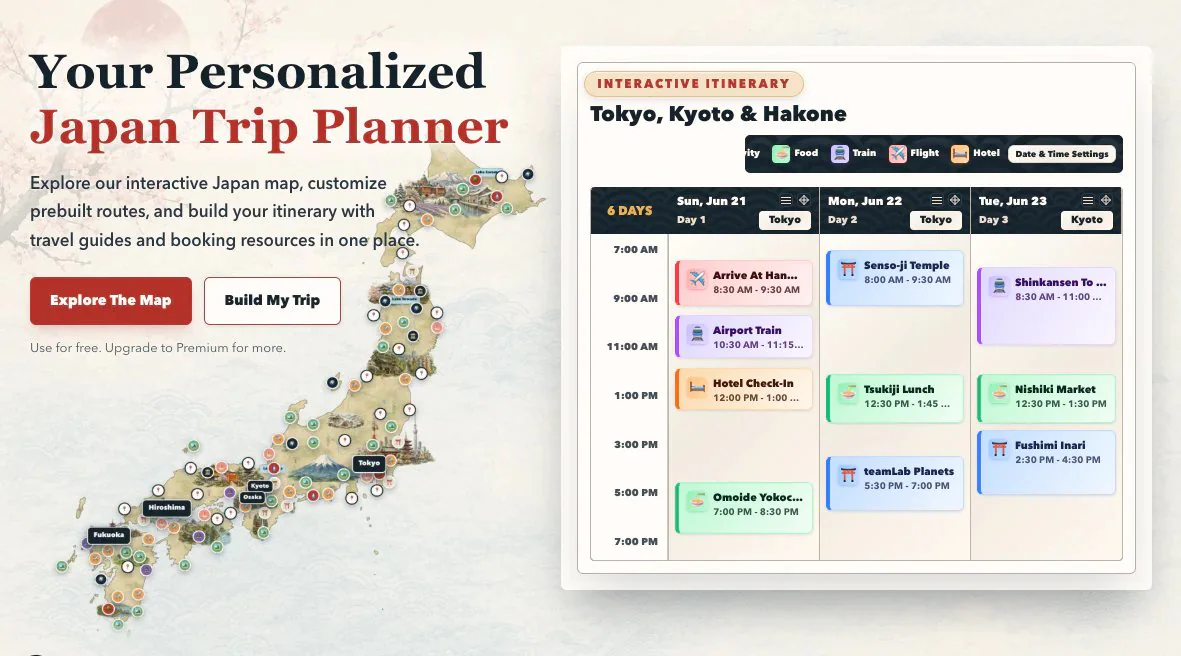
Use the interactive Japan map to identify your stops and the itinerary planner to keep your travel days and accommodation details organized. Language preparation works best when it supports the trip you are actually taking.

Frequently Asked Questions About Japanese for Travel

Can you visit Japan without speaking Japanese? Yes. Many visitors do, especially along established tourist routes. However, English support varies by person and business. Prepare written addresses, important requirements and a few ways to ask for clarification rather than assuming every interaction will be in English.

Should you learn hiragana before a short trip? It can be useful if you have time and an interest in learning, but it is not a requirement for departure. Recognizing katakana can also help with some borrowed words. For a near-term trip, prioritize the phrases and destination names you will actually use.

Is arigatou enough, or should you say arigatou gozaimasu? Arigatou is a thank-you, but arigatou gozaimasu is a helpful polite default with people you do not know. There is no need to build an elaborate sentence around it for a simple shop or hotel interaction.

Can you just show the Japanese text instead of speaking? Yes. Showing a clearly written phrase or address can help, especially when pronunciation is difficult. Explain what you are asking and check the response; displaying a sentence does not guarantee the other person can fulfill the request.

How much Japanese can you learn in a week? You can make a useful start with polite basics and a few practiced conversations. Do not confuse memorizing questions with understanding every reply. The practical goal is to be clearer, more comfortable and better prepared to ask for help.

Travel details can change. Confirm current schedules, opening hours, reservation rules, prices, and entry requirements with the relevant official provider before booking or traveling.