
Skip to content
Japan Trip Planners

Search Japan Trip Planners

Loading search...

Affiliate links may earn us a commission at no extra cost to you. Affiliate disclosure.

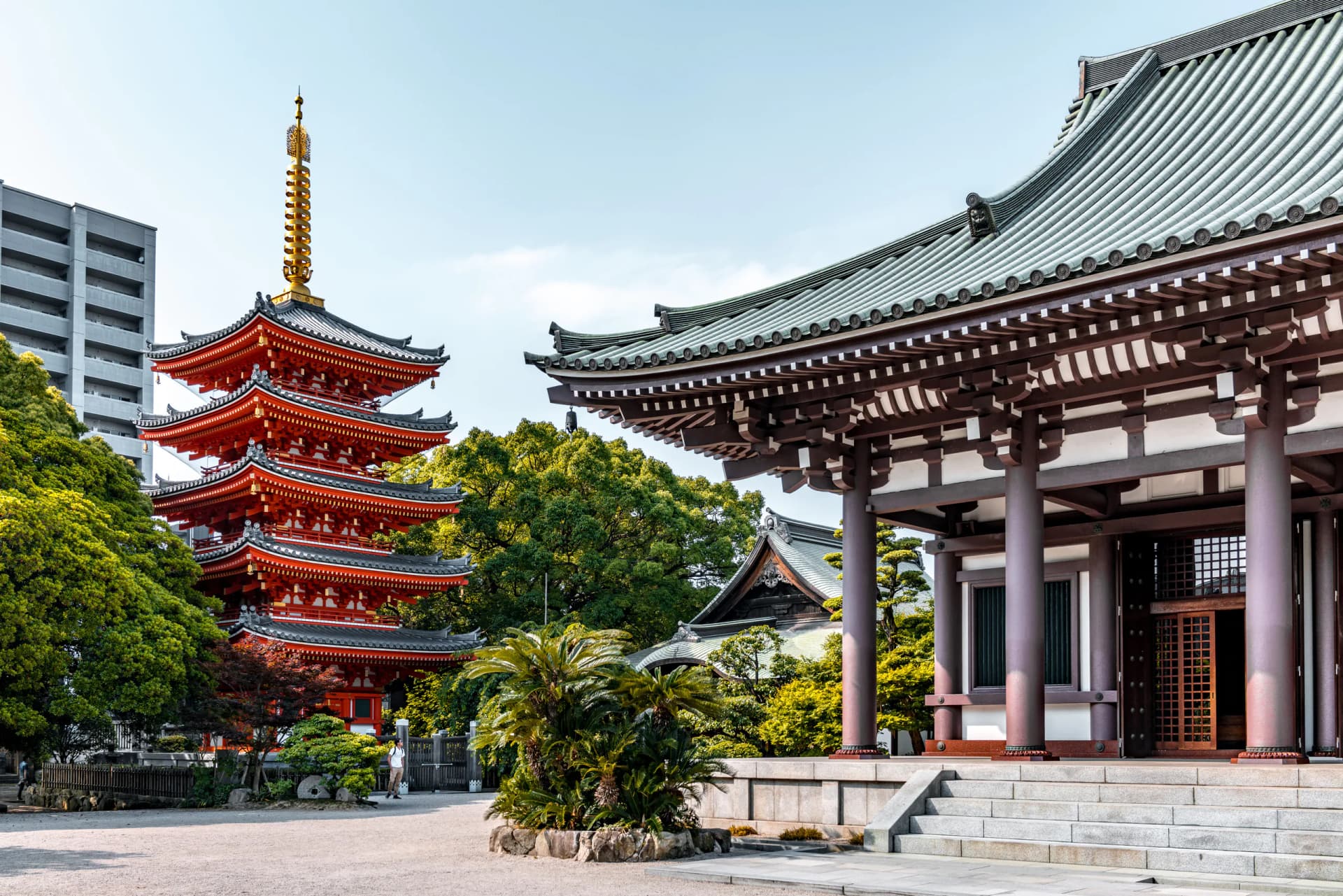
Tochoji Temple's red five-story pagoda beside its main hall and green trees in Fukuoka
FukuokaActivitiesTrip PlanningThings To Do

15 Things to Do in Fukuoka: Food, Temples and Coastal Day Trips

Explore Hakata's temples, eat at a yatai, enjoy the waterfront and choose a day trip that fits your time in Fukuoka.

By 15 min read
In this article

Affiliate disclosure: Some links in this article may earn Japan Trip Planners a commission at no extra cost to you. Recommendations are included when they are genuinely useful for planning, and you should still compare current prices, terms, and official provider information before booking.

What Are the Best Things to Do in Fukuoka?

The best things to do in Fukuoka combine food, history and time beside the water: walk through Hakata Old Town, see Tochoji and Kushida Shrine, eat at an evening yatai, stroll around Ohori Park and look over Hakata Bay from Fukuoka Tower. Add digital art, shopping or one regional day trip according to your interests.

Fukuoka rewards a different pace from a trip built entirely around headline attractions. A memorable day can include a temple courtyard, a bowl of Hakata ramen, a neighborhood shopping street and a waterside evening. You do not need to fill every hour with a ticketed experience.

This guide distinguishes the city from Fukuoka Prefecture. Dazaifu, Yanagawa, Itoshima, Sasaguri and Kitakyushu offer excellent outings, but they are not all central-city neighborhoods. Use our Fukuoka destination guide and interactive map of Fukuoka to check how your choices fit together.

Affiliate disclosure: Some booking links below are affiliate links. Japan Trip Planners may earn a commission if you book through them, at no extra cost to you. Prices, availability, eligibility and cancellation terms are set by the provider; a link does not guarantee the lowest price or an available ticket.

Choose Your Fukuoka Day Before You Buy Tickets

Start with the kind of day you want, then select a compact group of stops. The time suggestions below are planning allowances, not official visit limits. Leave extra room for meals, queues and getting between stations.

  • History and food: Tochoji, Kushida Shrine and Kawabata, followed by dinner around Hakata or Nakasu.
  • Parks and skyline: Ohori Park and the castle ruins, then Momochi Beach and Fukuoka Tower. Add teamLab only if you want a fuller day.
  • Children and outdoor space: Marine World and part of Uminonakamichi Seaside Park, with the aquarium or park as the main priority.
  • A cultural day trip: Dazaifu with the Kyushu National Museum, or Yanagawa's canals. Combining both is a longer, more structured day.
  • Coastal scenery: choose Itoshima or Nokonoshima, not a string of island and mainland transfers in one afternoon.

1. Begin in Hakata Old Town at Tochoji Temple

Tochoji is an excellent starting point for understanding that Fukuoka has much more to offer than shopping and nightlife. Its red five-story pagoda, shown in this article's cover photo, sits beside the temple buildings and greenery, with the modern city still visible around the grounds.

The temple is also known for its large wooden Great Buddha. Treat access to the hall separately from a walk around the courtyard: opening times, offerings or admission arrangements can differ. Follow photography signs, especially inside religious buildings, rather than assuming every part of the visit can become a photo stop.

Allow roughly 30-60 minutes, longer if you want a quieter visit. Pair Tochoji with nearby Hakata Old Town sights and Kushida Shrine rather than traveling across the city immediately afterward. It is a particularly useful arrival-day stop if your luggage is already stored and you have an unhurried afternoon.

2. Visit Kushida Shrine and Walk Through Kawabata

Kushida Shrine is closely connected with Hakata's identity and the Hakata Gion Yamakasa festival. Visit for the shrine itself, then take time to notice the decorative details and the festival traditions represented around the grounds. A displayed float is not the same experience as attending the July festival, so do not plan a quiet winter stop around a promise of festival action.

Continue into the Kawabata shopping arcade for a different side of the neighborhood. It is an easy place to browse small shops, look for a snack and give the day some breathing room between religious sites. Shops keep their own hours; an arcade roof does not mean everything is open early in the morning.

Together with Tochoji, this makes a manageable old-town outing. Keep shrine visits respectful, step aside for worshippers and avoid blocking entrances while arranging photographs.
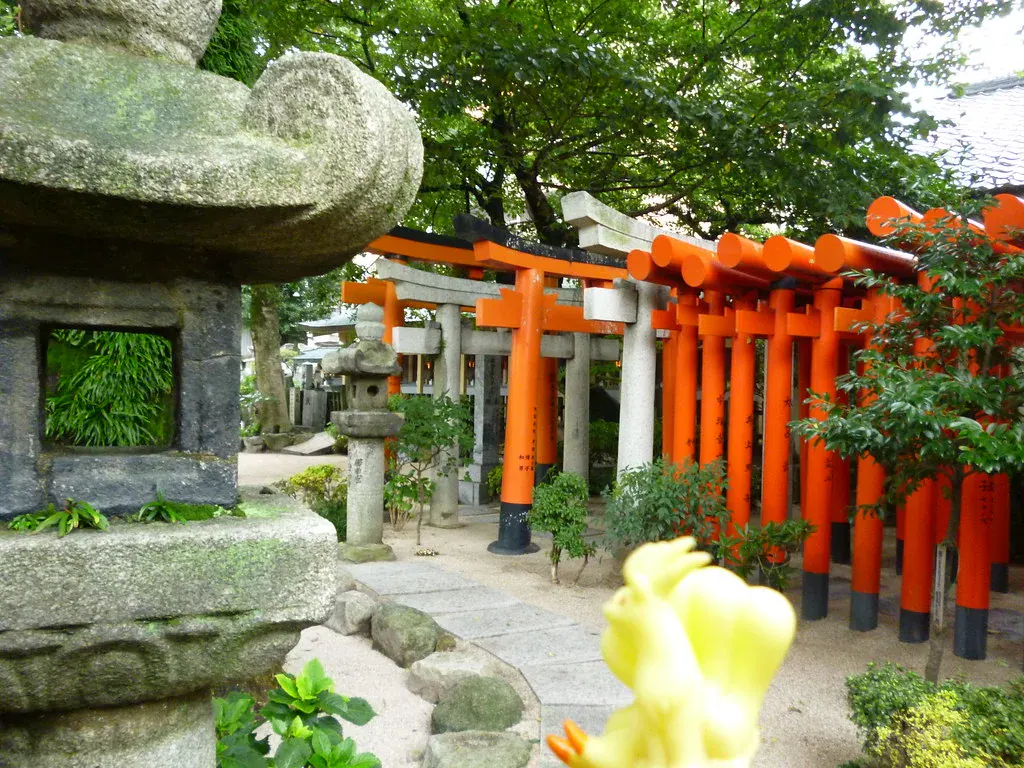
A stone lantern and a row of small orange torii gates among greenery at Kushida Shrine
Look beyond the main approach at Kushida Shrine, then continue on foot into Hakata's older shopping streets.

3. Spend an Evening at a Yatai and Try Hakata Food

Eating at a yatai, one of Fukuoka's small evening food stalls, is as much about the close, sociable setting as the menu. Nakasu is the familiar riverside choice, but stalls also operate in other areas, including Tenjin and Nagahama. Choose a stall whose food and atmosphere appeal to you instead of joining a queue simply because it is the longest.

Bring cash, read the posted prices before ordering and follow the host's seating instructions. Most stalls begin operating in the evening, often around 6:30-7 p.m., but each has its own schedule and bad weather can stop service. Keep a nearby indoor dinner option in reserve.

Hakata-style tonkotsu ramen is an obvious food highlight, but leave room elsewhere in your stay for udon, mentaiko, motsunabe or mizutaki. Check ingredients if you avoid pork, seafood or particular allergens. A seafood-looking dish is not automatically vegetarian, and a small stall may have limited capacity to alter a recipe.
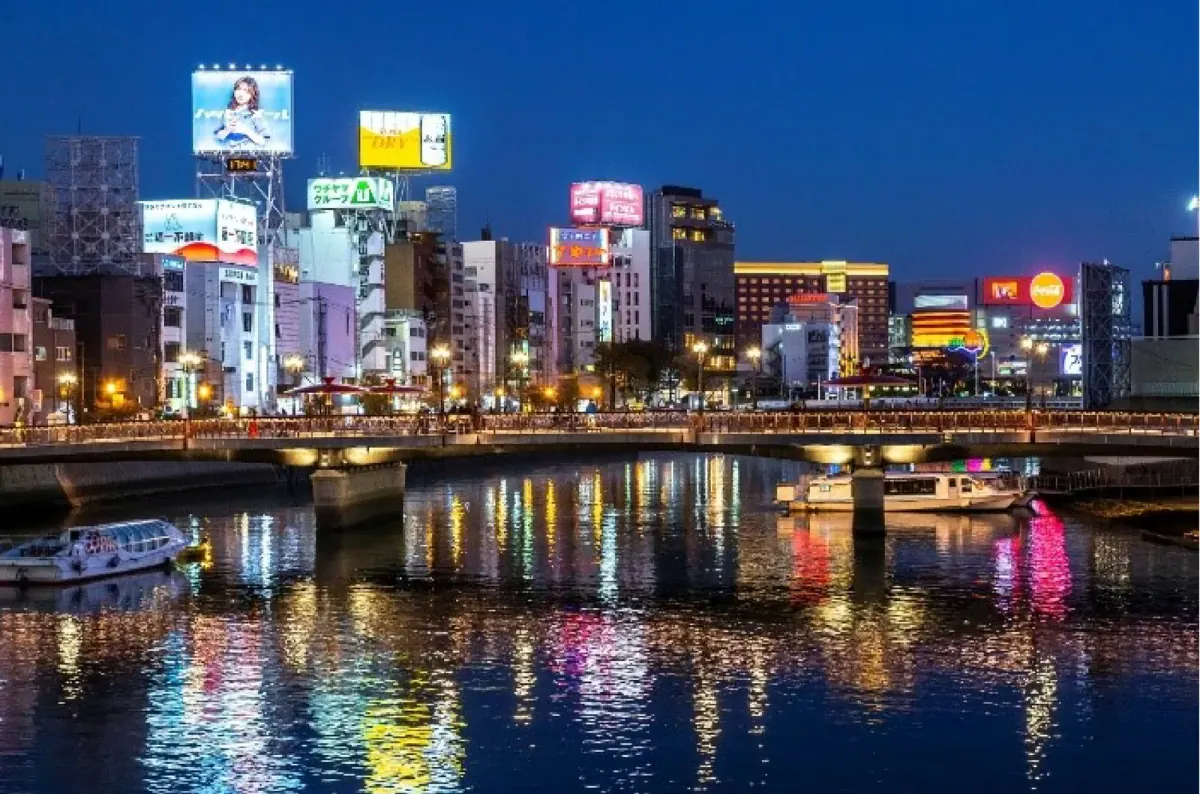
Illuminated buildings and colorful signs reflected in the river at Nakasu after dark
Nakasu is an atmospheric evening area. Food-stall opening and seating arrangements vary, so keep dinner plans flexible.

4. Slow Down at Ohori Park and Fukuoka Castle Ruins

Ohori Park is one of the most rewarding free things to do in Fukuoka. Walk beside the water, pause on a bridge and use the park as a genuine break rather than a photograph followed by an immediate dash to the next stop. The broad waterside setting makes a welcome contrast to busy station districts.

Nearby Maizuru Park contains Fukuoka Castle's surviving stonework and elevated viewpoints. Expect ruins and parkland, not a complete original castle keep. The combination works especially well when you want history without spending the entire day indoors.

Allow about two hours for a relaxed park-and-ruins visit, adding more time for the Japanese garden or Fukuoka Art Museum. Those are separate facilities with their own tickets and closing days. Paths up around the ruins include slopes and steps; check an accessible route if uneven walking is difficult.
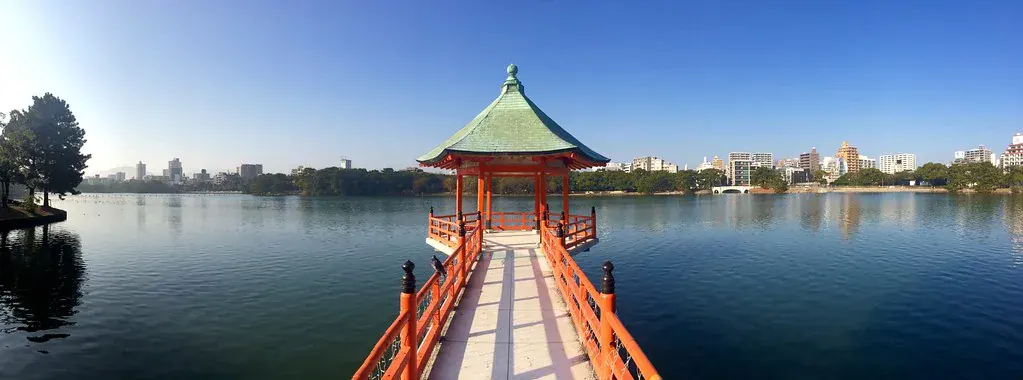
A red-railed walkway leading to a traditional pavilion over the lake in Ohori Park
Ohori Park suits an unhurried morning. The Japanese garden and nearby museum have separate access arrangements.

5. See Hakata Bay from Fukuoka Tower and Momochi

Fukuoka Tower is a strong choice if you want one paid city viewpoint. The observation level looks across the city and Hakata Bay, while nearby Momochi gives you somewhere to walk before or after the visit. Choose daylight for geography, or a clear evening for the city lights.

Check visibility before committing to a skyline-focused afternoon. A low cloud ceiling or heavy rain changes the value of the experience more than a small ticket discount. Allow roughly an hour at the tower plus time on the waterfront.

Check Fukuoka Tower ticket options. Review nationality or residency eligibility, entry instructions and cancellation conditions for your chosen package. An online voucher is not automatically a skip-every-queue pass.
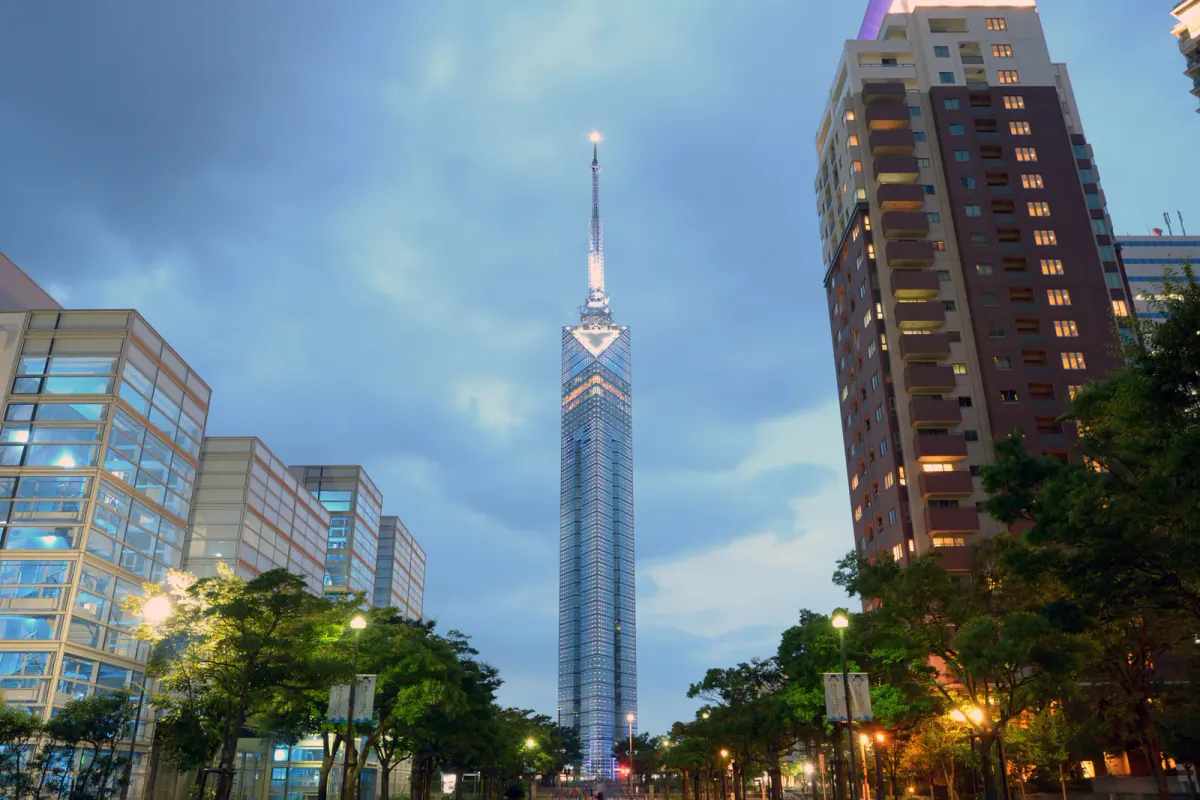
Fukuoka Tower rising between modern buildings and trees beneath a cloudy evening sky
Pair Fukuoka Tower with the Momochi waterfront rather than making a separate cross-city journey just for the observation deck.

6. Explore Digital Art at teamLab Forest Fukuoka

teamLab Forest at BOSS E ZO FUKUOKA offers an indoor change of pace, with immersive digital environments and interactive works. It is especially useful for travelers who want an activity rather than another conventional viewpoint or shopping stop.

This is the Fukuoka venue, not a ticket to a similarly named teamLab exhibition in another city. Some works involve physical movement or uneven surfaces, so review footwear, health and accessibility guidance before booking.

See teamLab Forest Fukuoka admission options. Budget roughly one to two hours plus arrival time. Allow for the transfer from Fukuoka Tower, and check which E ZO attraction your ticket actually includes.
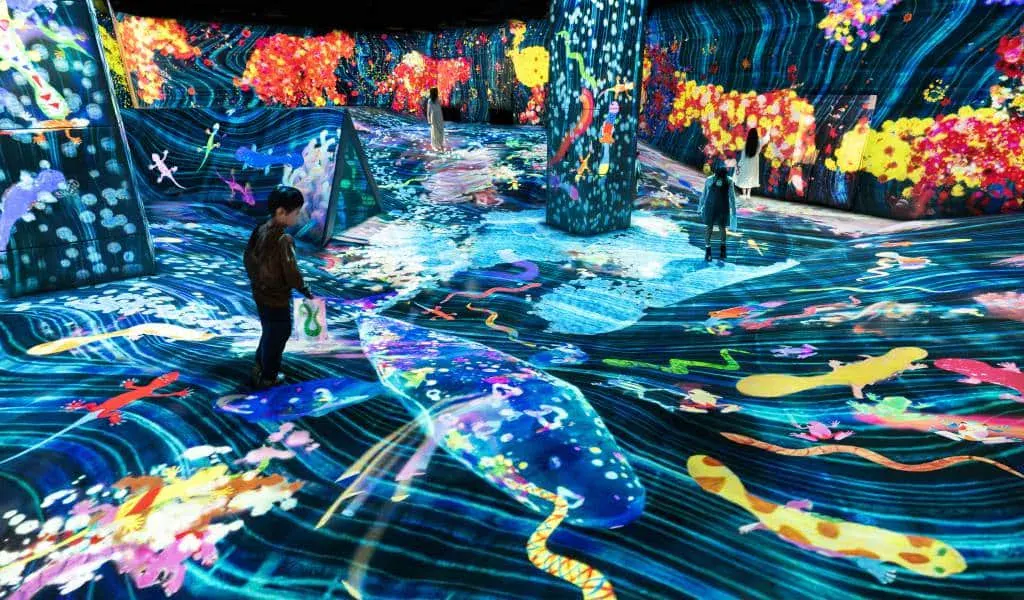
Visitors surrounded by bright digital animal and plant projections at teamLab Forest Fukuoka
Choose the Fukuoka exhibition explicitly when booking; teamLab tickets are venue-specific.

7. Browse Canal City Hakata Without Filling the Whole Day

Canal City Hakata combines shops, restaurants and entertainment around its distinctive curved buildings and waterway. It is a convenient change of scene after an old-town walk, particularly when you want food choices, bathrooms and somewhere to pause without another long transfer.

Check the day's fountain or performance schedule if that is part of the appeal. Do not assume an event seen in an older video is permanent, or arrive with only a few minutes between a show and a nonrefundable booking elsewhere.

For many visitors, an hour or two is enough unless there is a particular shop or show they want. Some circulation areas are open-air, so Canal City is not a guarantee of staying completely dry during heavy rain. Use it as a flexible addition, not an obligation to spend an afternoon shopping.
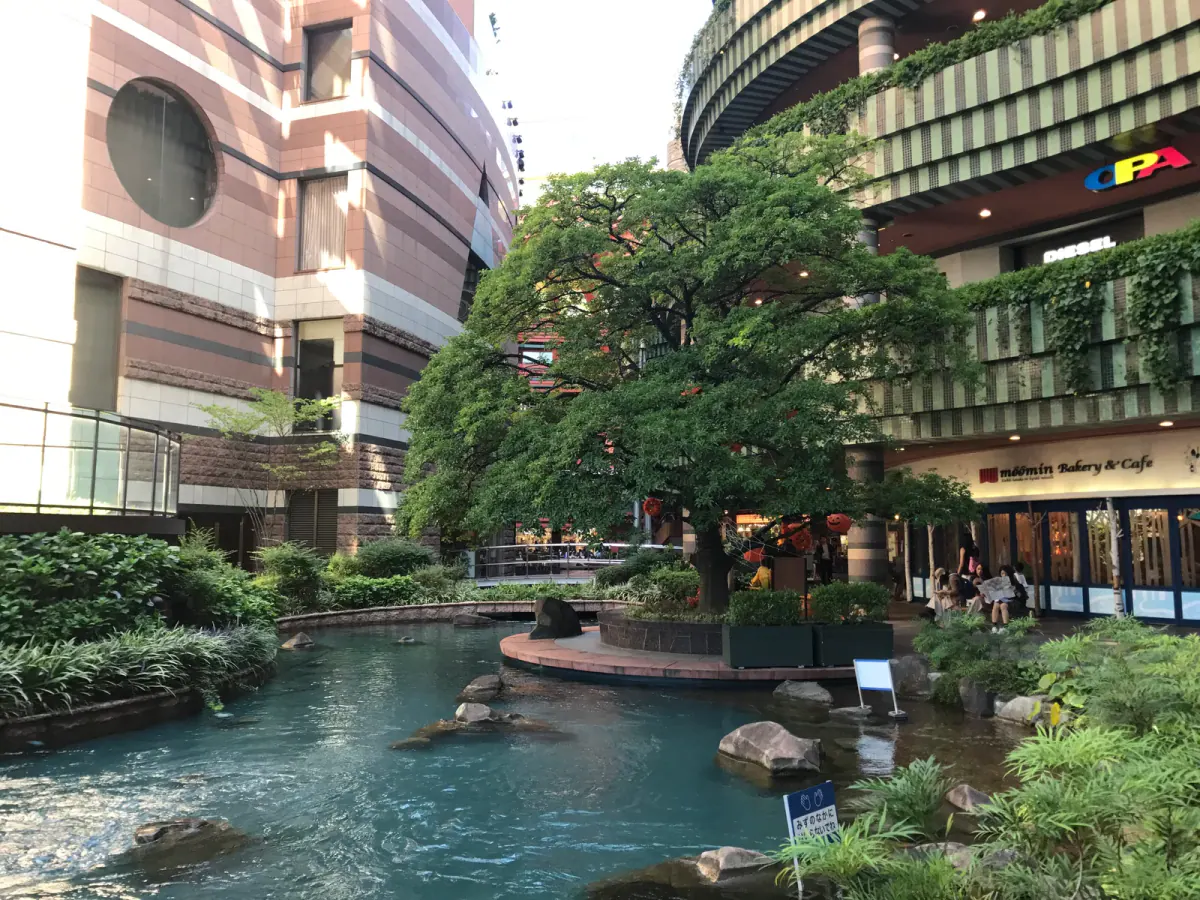
Curved shopping-center facades, greenery and the waterway inside Canal City Hakata
Canal City is easy to combine with Hakata Old Town, but parts of the complex remain exposed to the weather.

8. Choose Tenjin or Hakata for Shopping and a Food Break

Tenjin is a useful base for department stores, the underground shopping area and nearby neighborhoods where a cafe stop can become part of the afternoon. Hakata Station is more practical when you want shopping and a meal close to your train or hotel. Neither needs to become a separate full sightseeing day unless shopping is a major interest.

Make a short list of actual stores or products you want to find. Otherwise, several hours can disappear into near-identical shopping-center circuits while the outdoor places you wanted to see close for the day.

For a departure day, staying near Hakata can be sensible, but luggage collection and the correct airport terminal still need time. Do not use the airport's proximity to justify a last-minute restaurant queue or an ambitious final detour.

9. Make Marine World or Uminonakamichi Your Main Family Outing

Marine World Uminonakamichi is an aquarium across the bay from central Fukuoka, near the extensive Uminonakamichi Seaside Park. The aquarium can anchor a family day; the park adds outdoor space, seasonal flowers and room to move when the weather is good.

Choose your main attraction, check transport in both directions and leave room for meals and tired children. Aquarium and park admission are separate unless your package specifically says otherwise. Compare Marine World admission options.

Early-2027 notice: Marine World's dolphin and sea-lion show is scheduled to pause from January 12 through April 9, 2027, for repairs. Other aquarium activities are not all suspended. Check the operator's show-suspension notice before booking; the repair schedule may change.
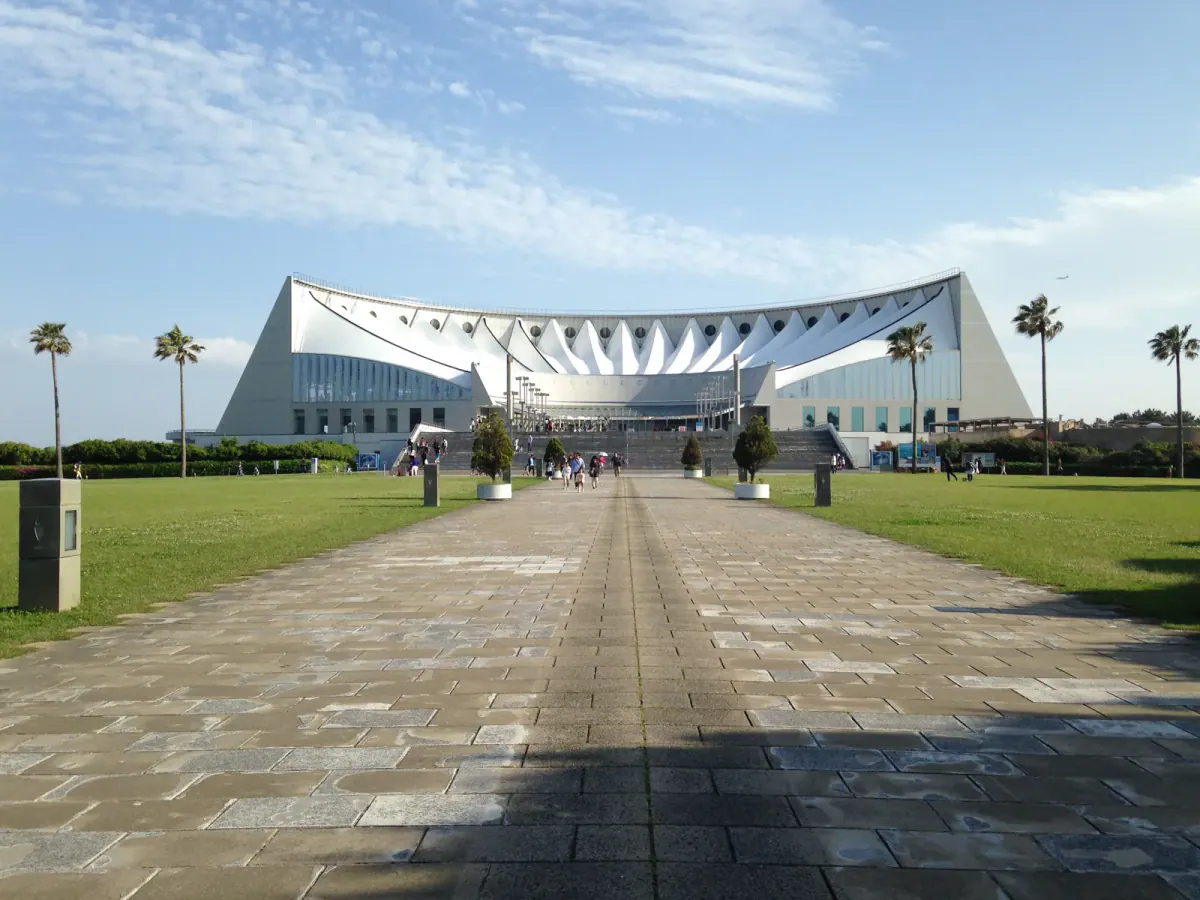
The broad white facade and entrance plaza of Marine World Uminonakamichi
Make the aquarium or the nearby seaside park the day's main focus, and check notices for your actual travel dates.

10. Take a Cultural Day Trip to Dazaifu Tenmangu

Dazaifu Tenmangu is one of the strongest choices for a first day trip from Fukuoka. The shrine is associated with Sugawara Michizane and learning, and the approach gives you time for traditional sweets, small shops and a slower transition into the grounds. Try umegae mochi as a snack rather than rushing straight from the station to a photograph.

Allow around half a day for the shrine, approach and lunch. Adding the Kyushu National Museum can turn it into a fuller cultural outing; check its exhibition calendar and closing days separately. An older photograph of a temporary sanctuary does not establish today's worship route or access arrangements.

For a rail-based visit from central Fukuoka, Nishitetsu services from the Tenjin side of the city are relevant. This is not a simple extension of a city subway ticket, and a JR pass does not cover every operator. Keep the distinction clear before buying transport.
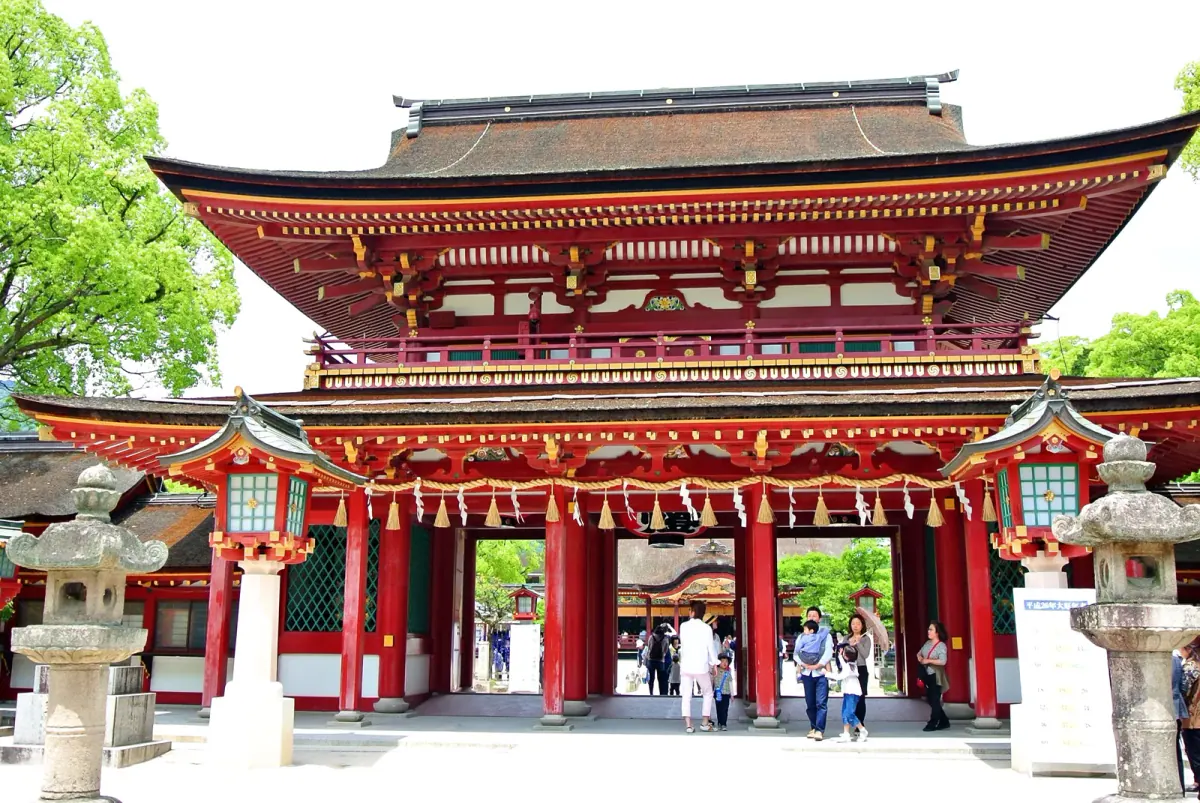
Dazaifu Tenmangu's red two-story gate framed by green trees and stone lanterns
Dazaifu's shrine grounds, approach and nearby museum reward more time than a brief coach stop allows.

11. Ride a Canal Boat in Yanagawa

Yanagawa offers a different kind of day: low boats, narrow waterways, bridges and an unhurried view of the town from the water. A canal cruise and a local lunch can be the main event rather than something squeezed between two distant attractions.

Check your boat operator, boarding location, finish point and onward transport. A one-way route can finish somewhere different from where you began, and weather can affect operations. Allow comfortable transfer time before your return train.

Check the Dazaifu and Yanagawa travel-pass package if you plan to visit both. Compare its selected version, rail coverage, participating boat operator and redemption rules; it is not unlimited travel on every line. With a museum visit, children or a relaxed pace, separate days may work better.
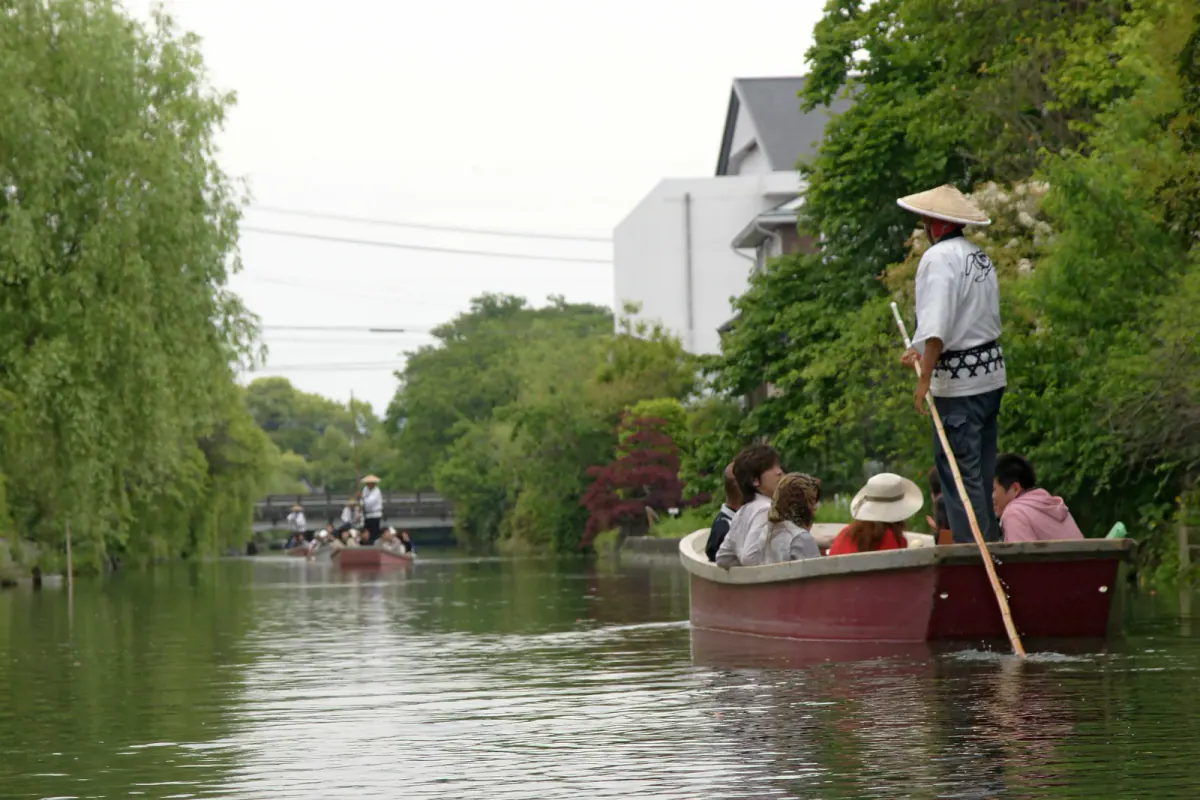
A standing boatman poling passengers along a tree-lined canal in Yanagawa
Yanagawa is a worthwhile outing in its own right. Confirm where your cruise finishes before arranging the rest of the day.

12. Visit Nanzoin's Reclining Buddha Respectfully

Nanzoin, in Sasaguri east of the city, is known for its enormous reclining Buddha and wooded temple setting. It is a religious destination, not an outdoor photo studio. Plan around worship, access rules and a quiet walk rather than an extended shoot.

Read the temple's current visitor rules before leaving your accommodation. Cover shoulders, thighs and visible tattoos in accordance with those rules; do not assume a covering can be borrowed. Selfie sticks, tripods and stabilizers are prohibited, and photography-focused visits and groups require advance permission.

Use the rail stop named Kido Nanzoin-mae when checking access. Confirm current fees and permitted areas instead of relying on old descriptions calling everything free. Keep Nanzoin separate from a rushed Dazaifu-and-Yanagawa circuit.
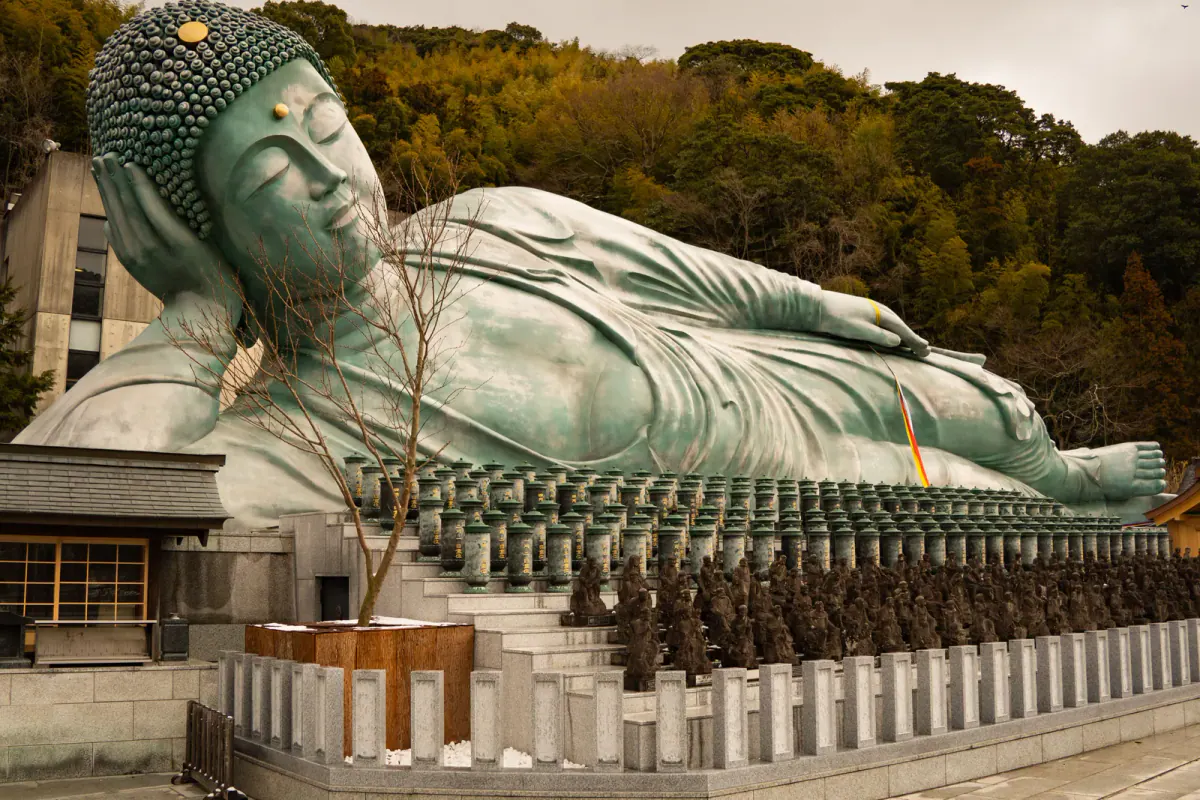
The large bronze reclining Buddha at Nanzoin with wooded hills behind it
Nanzoin is an active religious site. Check its dress code and photography restrictions before visiting.

13. Plan an Itoshima Coastal Day Around a Few Good Stops

Itoshima is a good choice for coastal scenery, seaside cafes and a less urban day. Sakurai Futamigaura's white torii and paired offshore rocks are a familiar highlight, but the point is the change of pace, not collecting every social-media stop.

Decide whether you want a checked public-transport route, a rental car you are licensed to drive, a private transfer or a group tour. Do not assume a railway station is close to every coastal viewpoint.

Compare an Itoshima coast and nature day tour if you prefer organized transport. Check the chosen itinerary, guide language, meeting point and additional fees. Respect shoreline conditions, and keep a cloudy-day alternative rather than promising yourself a particular sunset.
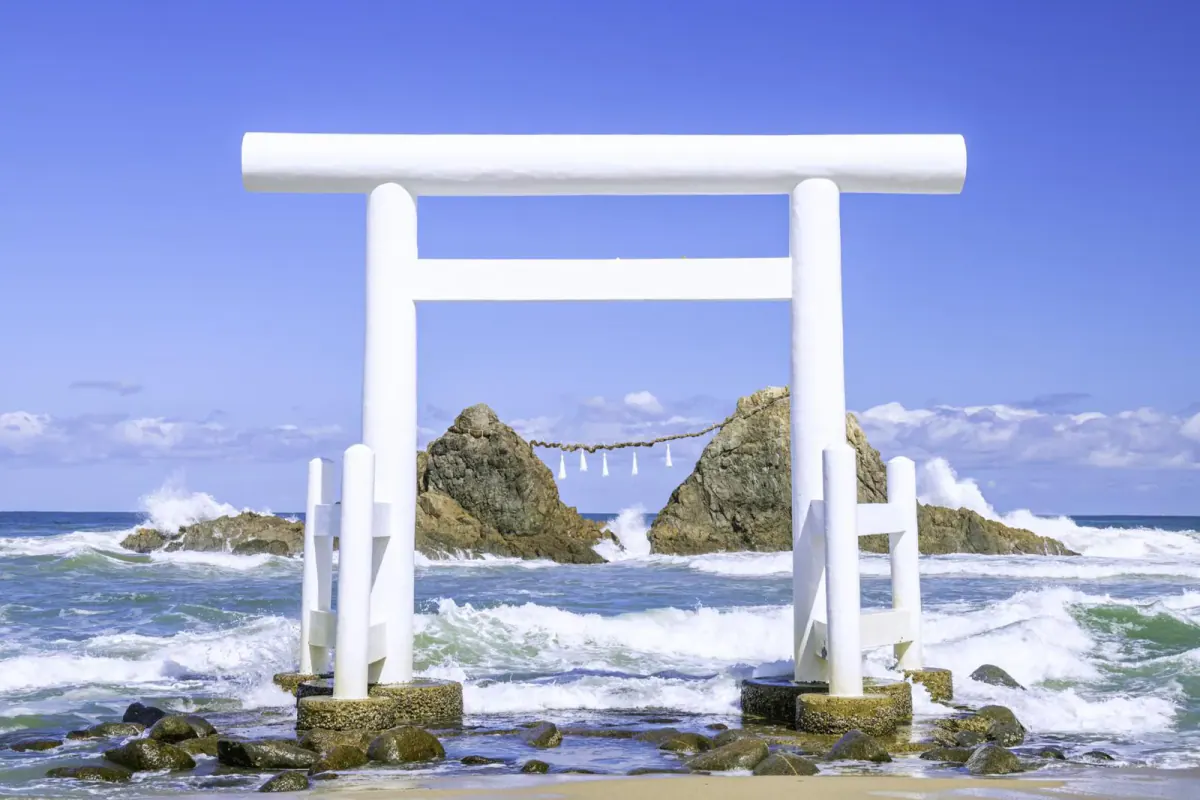
A white torii gate on the shore facing Sakurai Futamigaura's two rope-linked rocks in the sea
Itoshima's coastal stops are spread out. Sort out transport before adding several of them to one day.

14. Take the Ferry to Nokonoshima for Seasonal Flowers

Nokonoshima suits a scenic, slower outing from the city. The island park is known for seasonal flowers and bay views, making it a different choice from an aquarium visit or a driving tour along the Itoshima coast. Pick it because you want time outside, not because an island appears to be a small detour on the map.

Check the current flowering report if you are traveling for a particular display. Peak bloom varies with weather, and a photograph from one month is not a promise of the same landscape in another. The journey also includes reaching the ferry terminal and getting around after arrival.

Leave a generous buffer for your return sailing, especially if you have dinner reservations or onward travel. A short crossing can still require a substantial part of the day once connections and park time are included. Wind and rain can make a city-based alternative more enjoyable.

15. Explore Mojiko Retro as a Separate Kitakyushu Day Trip

Mojiko Retro is in Kitakyushu, not central Fukuoka city. Its waterfront, historic station and preserved commercial buildings create a different atmosphere from Hakata. A waterside walk, an architectural stop and lunch can anchor the outing.

Moji and Mojiko are different stations. If you add Kokura Castle or an evening viewpoint, check the route home and the time each addition consumes. A tour that crosses the Kanmon Strait is not simply a short ride to Mojiko.

See a Mojiko and Mount Sarakura night-view day tour if a longer organized outing appeals. Read the full itinerary, including any stops in Yamaguchi and exclusions for meals, admissions or transport. Night views depend on conditions; leave the next morning unhurried after a late return.
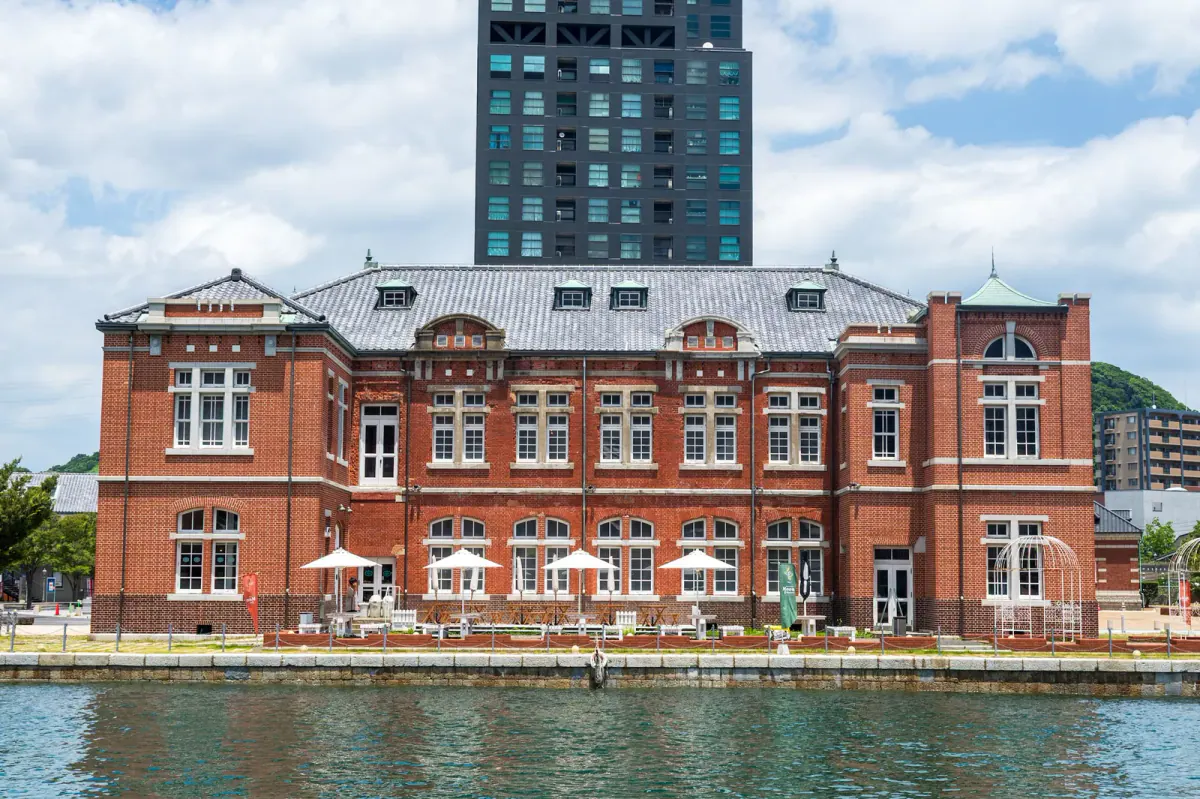
A historic red-brick waterfront building with white window frames in Mojiko Retro
Mojiko belongs on a Kitakyushu day, not in a walking route around central Fukuoka's sights.

How to Turn These Ideas into a Three-Day Fukuoka Itinerary

Day one: begin with Tochoji, walk through Hakata Old Town and visit Kushida Shrine. Have lunch before choosing Kawabata or Canal City. Leave the evening flexible for a yatai or indoor Hakata-food dinner, particularly on an arrival day.

Day two: start with Ohori Park and the castle ruins, then head toward Momochi after lunch. Choose Fukuoka Tower for views or teamLab Forest for interactive art. Doing both makes a fuller day: allow a transfer, a meal and timed-entry buffers.

Day three: choose one direction. Dazaifu with its museum makes a cultural day; combine Yanagawa only if you want a longer outing. Alternatively, choose Itoshima, Marine World or Mojiko. These are alternatives, not one checklist.

With one day, prioritize old-town history and a food evening. With four, add a second outing rather than making the first three days busier. Put your choices into the Japan itinerary planner, including travel and meals, so the day still works beyond the list of attraction names.

What Should You Do in Fukuoka in Rain, Winter or Flower Season?

For rain, choose a museum, teamLab Forest or focused shopping rather than forcing a beach or island day. An observation tower can be indoors yet offer disappointing visibility, while a shopping complex can have uncovered sections. Match the alternative to the actual conditions, not just an indoor label.

Spring suits park walks and seasonal flowers, but exact bloom dates vary. Autumn can be comfortable for longer walking days; specific foliage peaks depend on the location and year. Summer brings heat, humidity and lively events, so build in shade, water and indoor breaks. Winter can be enjoyable for food and city outings, but the coast can feel cold and windy.

For festival travel, research the actual dates and local access restrictions before booking accommodation. Hakata Gion Yamakasa and Hakata Dontaku are not nightly performances you can drop into year-round. A seasonal illumination or flower display also needs its own date check.

Fukuoka Planning Questions: Time, Transport and What to Book

Is Fukuoka worth visiting? Yes if you enjoy food, compact city sightseeing and access to northern Kyushu. Allow real evenings there rather than treating it only as a station between longer journeys.

Do you need a car? Not for a typical central-city stay. Walking and public transport can cover a useful first itinerary. A car or organized transfer becomes more relevant for dispersed coastal stops, bringing parking and driving requirements.

What is free? The main Ohori Park grounds, public shopping streets, waterfront walks and freely accessible shrine or temple grounds where permitted. Separate halls, gardens, exhibitions and observation decks may charge. Free does not mean always open.

What should you book? Accommodation, desired timed admission and any tour or boat package central to your plans. Check the date, age category, language, transport inclusions and cancellation terms. Leave some room for unbooked food stops.

Do you need a pass? Compare your actual journeys. A city subway pass does not automatically cover Nishitetsu, JR, boats or ferries. Our Fukuoka transport-payment guide explains another important distinction: a bank card is not accepted in exactly the same way on every service. For longer rail travel, use the JR Pass calculator as a comparison tool, not a reason to buy a pass you do not need.

Travel details can change. Confirm current schedules, opening hours, reservation rules, prices, and entry requirements with the relevant official provider before booking or traveling.