
How to Find Cheap Japan Hotels, Rental Homes, and Ryokans
A comfortable stay in Japan does not have to cost hundreds of dollars per night. Learn how to find good hotels, rental homes, and ryokans around or even below $50 on the right dates without overlooking location, fees, or room rules.
Affiliate disclosure: Some links in this article may earn Japan Trip Planners a commission at no extra cost to you. Recommendations are included when they are genuinely useful for planning, and you should still compare current prices, terms, and official provider information before booking.
A nice place in Japan does not have to cost hundreds per night
Japan has expensive luxury hotels, famous ryokans, and resort rooms, but those are only part of the market. Business hotels, local hotel chains, family-run guesthouses, simple rental homes, hostels with private rooms, and smaller ryokans can all provide a clean and comfortable base without consuming the trip budget.
It is often possible to find stays around or below $50 per night when the dates, city, and room type cooperate. That price is more realistic in regional cities, outside the most famous neighborhoods, on weekdays, and during quieter travel periods. It is less realistic in central Tokyo or Kyoto during cherry blossom season, Golden Week, major festivals, or a busy Saturday night. Treat $50 as a useful search target, not a promise for every destination and date.
The goal is not simply to find the smallest number on the screen. A slightly more expensive room beside a useful station can cost less overall than a remote bargain that adds daily transportation, long walks with luggage, or an early-morning taxi. Compare the full stay and the effect it has on the itinerary.
Choose between a hotel, rental home, and ryokan
A business hotel is often the easiest budget choice for one or two travelers. Rooms can be compact, but many properties have private bathrooms, reliable Wi-Fi, luggage storage, laundry facilities, and convenient station access. A lower star rating does not automatically mean a poorly maintained property, so let recent guest reviews and room details matter more than the label alone.
A rental home or apartment can work well for families, groups, and longer stays. A kitchen, washing machine, separate sleeping areas, and more floor space may create real value. However, cleaning fees and service charges can make a short stay more expensive than the first nightly price suggests. Compare rental homes for your Japan dates, then confirm the legal guest capacity, bed arrangement, check-in method, trash rules, quiet hours, and distance from actual station entrances.
A ryokan is a traditional Japanese inn and may include tatami rooms, futon bedding, shared baths, an onsen, dinner, or breakfast. Some are affordable and simple; others are destination experiences with prices to match. Ryokan rates are often shown per person, and meals can explain why the total is higher than a basic hotel. Compare room-only, breakfast, and half-board plans carefully before deciding that one listing is expensive.
Book as many months ahead as your itinerary allows
Begin searching as soon as your flights and route are reasonably firm. Booking several months ahead gives you access to more room types, family rooms, lower-priced properties, and accommodations near the station. The cheapest rooms are limited inventory, so waiting can leave only larger or premium rooms even when the hotel itself is not sold out.
For cherry blossom season, autumn foliage, Golden Week, New Year, major festivals, ski season, and popular weekend destinations, start even earlier. Some Japanese properties do not release their entire calendar a full year ahead, so an empty result can mean that sales have not opened yet rather than that every room is sold. Check again later or contact the property if the timing matters.
Early does not have to mean inflexible. When the route may change, reserve a reasonably priced refundable option and note the cancellation deadline. Recheck prices before that deadline, but never cancel the original room until the replacement is fully confirmed.
Use Expedia and Klook as comparison tools, not just checkout pages
Start every search with the real destination, dates, guest ages, and number of rooms. A listing can look cheap when it is priced for one adult or one bed, then change after the correct group is entered. Search more than one nearby neighborhood and use the map to understand the walk to the station and the places you plan to visit.
Expedia can help compare Japan accommodations by price, nightly budget, property type, guest rating, area, amenities, and refundable-rate options. Its map is useful for comparing a lower price with the actual location. Member prices or package options may help on eligible bookings, but compare the standalone hotel total before assuming a bundle is less expensive.
Klook can help compare Japan hotel options by destination, dates, guests, and rooms, and it can be convenient when accommodation sits beside transportation and attraction planning in the same account. Read the room-level cancellation label because refundable and nonrefundable options can exist at the same property. Availability, taxes, service charges, and coupon eligibility can vary by room and date.
Sort by lowest price, then investigate the first page carefully
Do not rely only on a booking site's recommended order. Change the sort to lowest price so you can see the true low end for your dates. Set a realistic maximum nightly budget, then use filters for private bathroom, guest rating, property type, or station area only when those details are important enough to justify removing cheaper results.
The first listings may include dorm beds, capsule spaces, rooms with shared bathrooms, smoking rooms, distant properties, or prices that apply to only one guest. That does not make them bad choices, but it means the headline number may not describe the stay you have in mind. Open several promising listings and compare the exact room, not only the property page.
After sorting, make a short list of three to five options. Compare the complete total for the same guests and dates, including taxes and required fees. Then compare the cancellation deadline, recent reviews, room size, bedding, and station access. The cheapest suitable room is more useful than the cheapest room of any kind.
Use coupon codes and confirm the discounted total
A coupon is valuable only when it applies to the room you actually want. When booking an eligible stay through Klook, enter code ADVENTURRA at checkout and confirm that the final price changed before paying. Discount amounts, eligible products, minimum spending requirements, dates, and code availability can change, so never calculate the trip budget from an unconfirmed coupon.
Compare the discounted total with the same room on another platform and, when useful, the property's own website. A coupon can make one booking channel the best value, but a different rate may include breakfast, easier cancellation, a larger room, or fewer fees. Match the room name, bed type, meal plan, guest count, and cancellation terms before calling two prices identical.
A loyalty or member price can also help, but do not pay more merely to collect future rewards. For a budget trip, the final amount and the terms attached to it matter more than the size of the advertised discount.
Avoid peak dates and search one day at a time
Accommodation prices can change dramatically from one night to the next. Cherry blossom weekends, Golden Week, Obon, New Year, autumn foliage, ski weekends, concerts, conventions, sports events, and local festivals can raise rates or remove the cheapest inventory. A city may be affordable for four nights and unusually expensive for the fifth.
Search the trip one night at a time when a total looks too high. You may discover that moving the city order by one day, visiting a popular destination on a weekday, or staying in a neighboring city during an event reduces the total. Always weigh the savings against the inconvenience of an extra hotel change.
Shoulder seasons and ordinary weekdays usually offer more choices. Weather may be less predictable, but the savings can fund better food, transportation, or a special ryokan night. If your dates are fixed, change the neighborhood or accommodation type before sacrificing essential safety or cleanliness standards.
Stay near useful transportation, not necessarily the famous center
The most famous station is not always the best-value base. In Tokyo, a hotel near a smaller station with a direct train to the neighborhoods you want can be much cheaper than a room beside Shinjuku, Shibuya, or Tokyo Station. The same logic applies around Kyoto, Osaka, Fukuoka, Sapporo, and regional cities.
Check the walking route from the correct station exit, not only the straight-line distance. Large stations can add ten or twenty minutes before you reach the street. A property on a local bus route may look convenient on a map but become inconvenient after the last bus or with large luggage.
Calculate the transportation tradeoff for every traveler. Saving $15 on a room is not a bargain if two people spend more than that on extra trains and lose an hour each morning. A well-connected neighborhood just outside the tourist core is often the strongest compromise.
Check the room details, fees, and reviews before paying
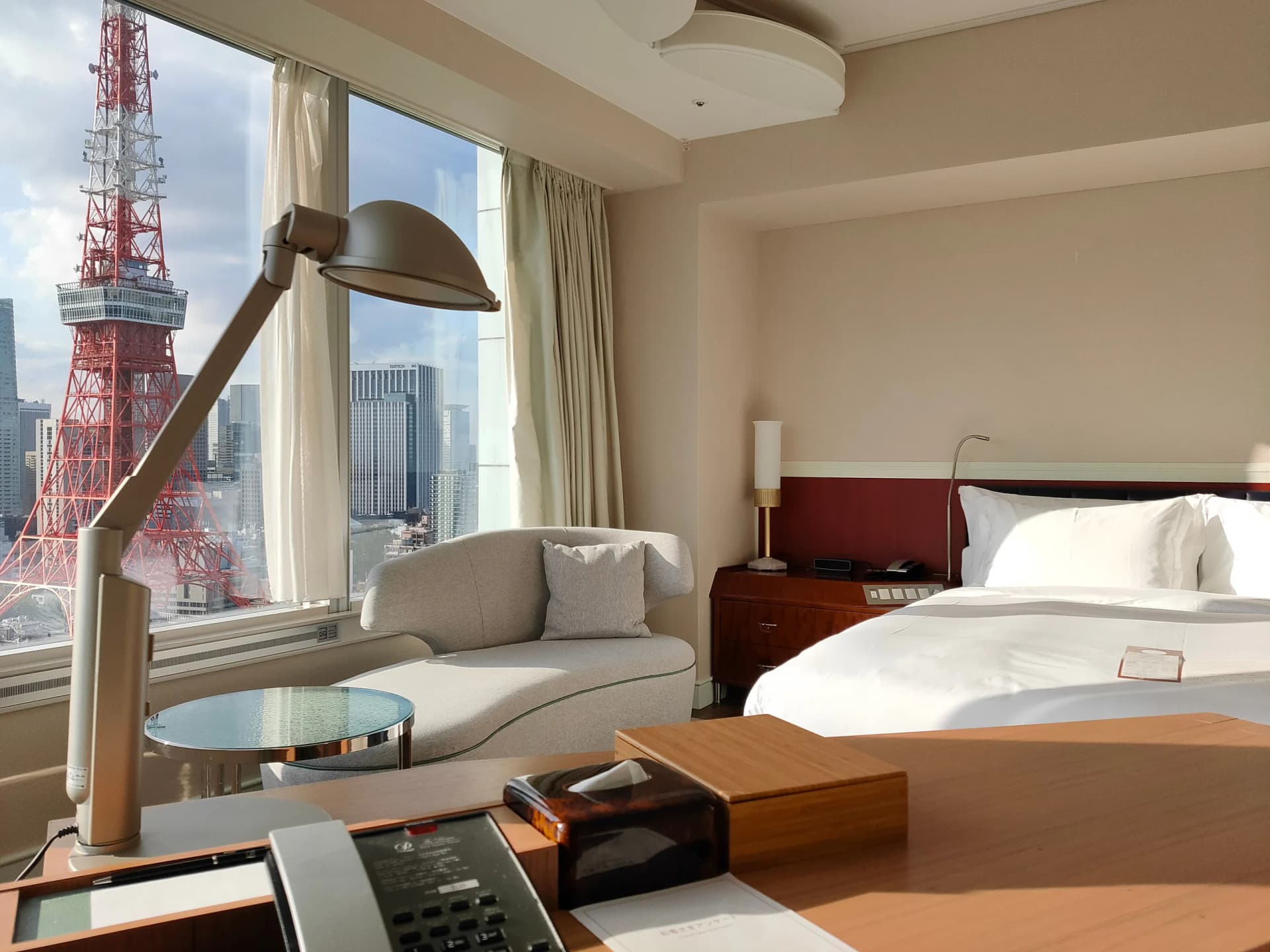
Japanese rooms can be smaller than travelers expect, and bed descriptions matter. Confirm the room's square meters, bed width, number of beds, bathroom type, smoking status, guest capacity, and whether children are included in the quoted price. A semi-double bed may be comfortable for one traveler but not for every couple.
For rental homes, inspect cleaning fees, deposits, check-in instructions, stairs, luggage space, heating or air conditioning, and neighborhood rules. When comparing Japan ryokan options, confirm whether the bath is private or shared, whether meals are included, when dinner is served, and whether the price is per person. Travelers with tattoos, allergies, mobility needs, or dietary restrictions should ask the property directly rather than assuming a general listing answers every question.
Read recent reviews and look for repeated comments about cleanliness, noise, odors, hard beds, difficult check-in, or misleading location descriptions. One angry review is not always decisive, but the same concern appearing repeatedly deserves attention. Save the confirmation details and recheck the property's messages before arrival.
A simple cheap-accommodation search routine
First, settle the rough route and search as early as possible with the correct dates and travelers. Compare hotels, rental homes, and ryokans based on how long you will stay and what facilities the group needs. Sort from lowest price, set a budget filter, and open several promising results instead of booking the first listing.
Second, compare the final total, room details, cancellation policy, reviews, and transportation. Try eligible discount codes, but verify the actual checkout amount. If peak dates are expensive, test nearby neighborhoods, weekdays, and a slightly different city order.
Finally, book the best suitable option, save the confirmation, and note the cancellation deadline. A budget room should make the trip easier, not merely cheaper. When the location, rules, and total all work, Japan can offer excellent accommodation without requiring a luxury-hotel budget.
- Search with the correct dates, ages, guests, and room count.
- Sort by lowest price and compare the complete stay total.
- Check room size, bedding, bathrooms, smoking status, and occupancy.
- Compare station access and daily transportation costs.
- Review cancellation rules before choosing a nonrefundable rate.
- Enter ADVENTURRA on eligible Klook bookings and verify the discount before paying.
- Save the confirmation and cancellation deadline with the itinerary.
Travel details can change. Confirm current schedules, opening hours, reservation rules, prices, and entry requirements with the relevant official provider before booking or traveling.