

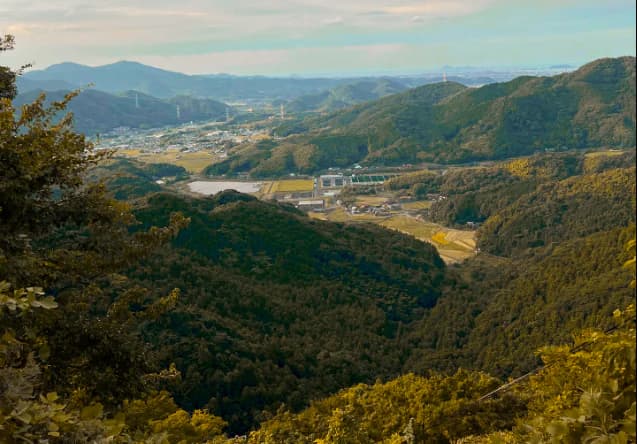
12 Popular Places in Japan to See Fall Foliage
Red temple gardens, golden ginkgo avenues and mountainsides in autumn color: choose Japan's foliage destinations by your travel dates, not just a beautiful photograph.
Affiliate disclosure: Some links in this article may earn Japan Trip Planners a commission at no extra cost to you. Recommendations are included when they are genuinely useful for planning, and you should still compare current prices, terms, and official provider information before booking.
Where are the best places to see fall foliage in Japan?
For a first autumn trip, Kyoto's temple gardens, Nikko's lakes and mountain roads, Lake Kawaguchiko's maple-lined scenery, and Tokyo's gardens and golden ginkgo avenues are excellent places to start. For an earlier trip, look toward Hokkaido, Tohoku and higher elevations instead of expecting central Kyoto to be bright red in October.
The most rewarding choice is not always the most famous photograph. A garden that fits naturally into your day can be better than a distant viewpoint reached after hours in a traffic queue. Some travelers want red maples beside a temple; others prefer a mountain walk, a broad valley panorama or an easy park visit between city activities.
These are 12 popular foliage destinations to consider, not a ranking based on visitor counts. The aim is to help you match the scenery to your dates and build a trip that still works if the leaves turn earlier or later than expected.
When do autumn leaves change color in Japan?
Think north to south and mountain to valley. Hokkaido's high country can start its autumn show in September, while many of Tokyo and Kyoto's best-known lowland spots are November destinations, sometimes continuing into December. A high-elevation lake and the town below it can be at very different stages on the same day.
Tree species matter too. Japanese maples can create red and orange canopies, ginkgo trees turn yellow, and larches bring golden tones to alpine valleys. Not every hillside becomes a solid wall of red: mixed forests often combine green evergreens with patches of gold, rust and crimson.
Use the ranges below to choose a region, then check recent reports for the exact site. Warm autumns, cold spells, wind and rain can change the appearance and duration of a display. A forecast for a city should not be treated as a promise about every temple, garden or mountain in that prefecture.
- September: consider Daisetsuzan's high elevations in Hokkaido; do not assume all of Hokkaido peaks at once.
- October: consider Jozankei, upper Nikko and Kamikochi, with Oirase and Naruko often useful later in the month.
- Early to mid-November: Lake Kawaguchiko and some remaining northern or upland sites may suit your route; check each area's stage.
- Mid- to late November: consider Kyoto, Korankei, Miyajima and Minoh, alongside Tokyo's developing garden and ginkgo displays.
- Late November into early December: Tokyo, parts of Kyoto and Minoh can still offer color, but fallen leaves and bare branches become increasingly possible.
1. Kyoto: temple gardens, maple valleys and Arashiyama
Choose Kyoto for the combination of autumn foliage and traditional architecture. Tofuku-ji is a classic for maples around its valley and Tsutenkyo Bridge, Eikando is another celebrated temple choice, and Arashiyama gives you a different setting of river scenery, wooded hills and gardens such as Tenryu-ji.
A useful broad window is November, especially its second half, with some places holding color into early December. Higher or more exposed parts of the wider Kyoto area may turn earlier. Do not read a photograph from one temple as proof that every district has reached the same stage.
Our planning recommendation is to choose one side of the city for the day. Make an Arashiyama morning about the riverside and a garden, or pair Eikando with the nearby Nanzen-ji area. Tofuku-ji deserves its own unrushed visit rather than becoming the third timed stop in a cross-city sprint. Queues, separate garden admissions and special evening entry can make an apparently simple list much longer.
Check the current admission arrangement for the specific garden or light-up. Day admission does not necessarily include an evening event. A bamboo grove can be a pleasant nearby stop, but the bamboo itself is not a red-maple foliage display.
2. Nikko, Tochigi: choose the right elevation
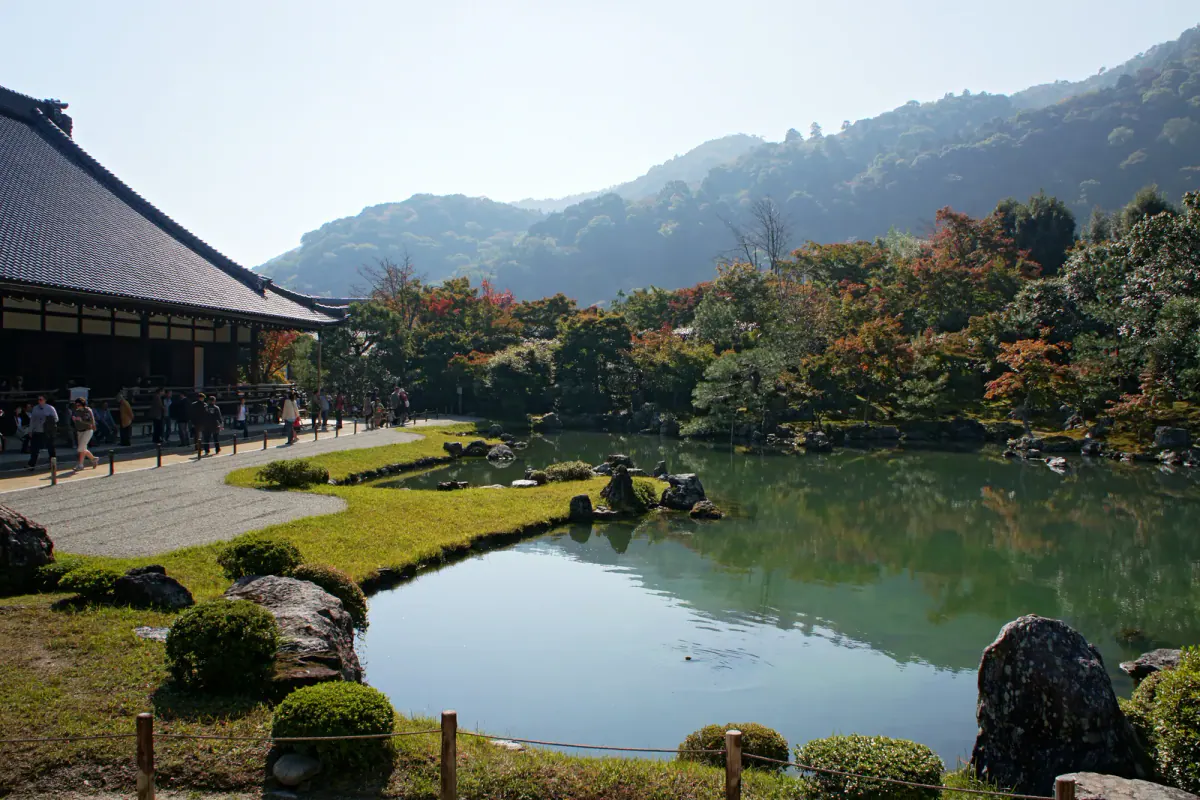
Nikko is a strong choice when you want foliage with lakes, waterfalls and historic sights. The important distinction is between upper Okunikko, including the Lake Chuzenji and Yumoto areas, and lower central Nikko around the World Heritage shrines and temples.
Okunikko's broader season usually runs from late September through October, depending on elevation. Central Nikko more often suits late October to mid-November. If upper mountain areas have already shed their leaves, lower locations may still be worthwhile; if the town is mostly green, traveling uphill may change the picture.
Do not try to cover every shrine, Kegon Falls, the entire lake and a long wetland walk in one autumn day from Tokyo. Choose either a mountain-focused visit or a shrine-and-town day. Peak-season traffic on Irohazaka can substantially delay buses as well as cars. If the lake scenery is the priority, consider staying in that area and enjoying it before the busiest arrivals rather than commuting up and down twice.
3. Lake Kawaguchiko, Yamanashi: maples with a Mount Fuji backdrop
Lake Kawaguchiko is a popular choice for travelers hoping to combine autumn leaves with Mount Fuji scenery. The Maple Corridor, or Momiji Kairo, is a specific foliage attraction near the lake; a generic lake stop is not automatically a visit to the corridor.
Leaves often begin changing in late October, with early to mid-November a useful starting window for the corridor. Fallen leaves can also be part of the scene later in November. Conditions vary, and the surrounding Fuji Five Lakes do not all turn at the same time.
Build a lake day you would enjoy even if Fuji stays behind cloud. Choose a manageable lakeside walk, the corridor and a meal or indoor stop, rather than promising yourself a perfect mountain photograph. If you stay overnight, a second viewing opportunity gives you flexibility, not a guarantee. Reserve important transport early for busy dates and leave room for local bus queues.
4. Tokyo: red garden maples and golden ginkgo avenues
You do not need to leave Tokyo to enjoy autumn color. Meiji Jingu Gaien's Icho Namiki is the recognizable golden-ginkgo avenue; Rikugien offers a traditional garden setting with maples, ponds and winding paths. Shinjuku Gyoen is another option when you want a larger garden visit that fits into city sightseeing.
Central Tokyo generally suits mid-November into early December, with some garden maples continuing later than the ginkgo displays. The city center is not on the same calendar as western Tokyo's mountain areas. Decide whether you want a yellow avenue, a red-maple garden or a more active mountain outing before choosing a date.
For an easy city day, use one garden as the main outdoor stop and keep the rest of the day nearby. Do not confuse the Gaien ginkgo avenue with the main Meiji Jingu shrine grounds near Harajuku: they are different places. Follow pavement controls, avoid standing in the road for photographs and confirm any separate evening-event tickets before going.
5. Oirase Gorge and Lake Towada, Aomori: forest beside flowing water
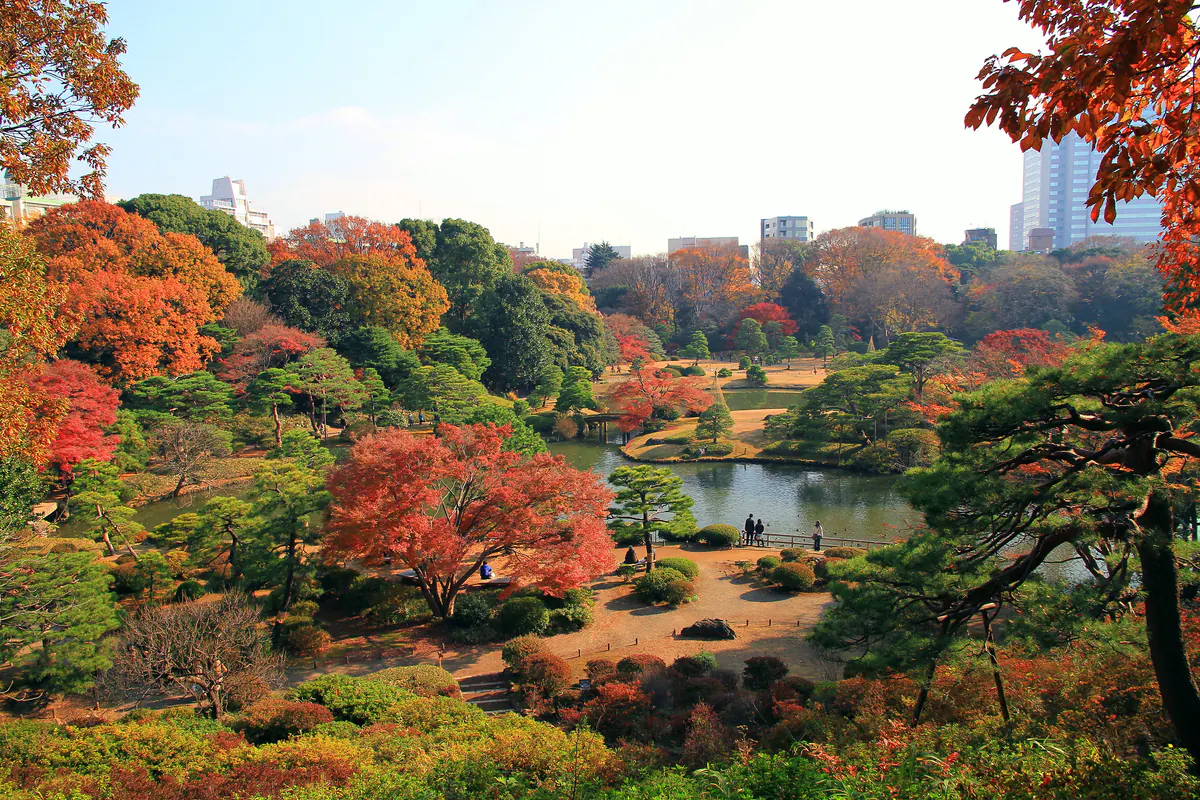
Oirase is a different kind of foliage day: moving water, mossy rocks, waterfalls and a wooded gorge rather than a single temple viewpoint. The stream runs from Lake Towada, making the area appealing for travelers who want a northern nature stay.
Late October into early November is a useful broad window for the gorge. The surrounding uplands can be earlier, so a regional forecast is not enough to choose a particular walk.
Pick a realistic walking section and identify both the arrival and departure points before setting off. You do not have to walk the entire gorge to appreciate it. A route that looks short on a map can take longer once you stop for photographs, and a missed rural bus matters more than a missed city subway. Allow proper time here rather than attaching Oirase to a rushed day of distant northern sights.
6. Naruko Gorge, Miyagi: a dramatic valley panorama
Naruko Gorge is known for the view of Ofukazawa Bridge crossing a deep, wooded ravine. It suits travelers who want a broad mountainside display rather than close-up temple maples, and it can pair naturally with a stay in the Naruko onsen area.
Late October to early November is a useful planning target within the wider local autumn season. Check current color reports and access information rather than assuming an old photograph or rail itinerary still describes today's conditions.
Start by deciding which viewpoint you want to reach, not by planning an unverified walk along the entire gorge floor. Trail access and seasonal transport need checking separately. If adding a hot spring, confirm day-use admission and your return connection first, then leave the rest of the afternoon flexible.
7. Hokkaido: Daisetsuzan for early color, Jozankei for an onsen escape
Hokkaido is especially useful when your trip is too early for Tokyo or Kyoto foliage. Daisetsuzan's high elevations are among Japan's earliest autumn landscapes, with September a key month. Colors descend through different elevations rather than reaching every mountain and valley at once.
For a trip based around Sapporo, Jozankei offers a more compact combination of river scenery, wooded slopes and hot springs. Mid-October is a common starting point for its autumn planning, although the resort area and higher viewpoints differ.
Choose between a mountain trip and an onsen-area visit honestly. A scenic photograph does not make an exposed alpine route suitable for an unprepared beginner. In Daisetsuzan, check weather, trail and ropeway conditions with the relevant visitor center or operator; early cold and snow can change plans. In Jozankei, check the dates of any seasonal shuttle rather than assuming a foliage service runs all autumn.
8. Kamikochi, Nagano: golden larches and alpine river scenery
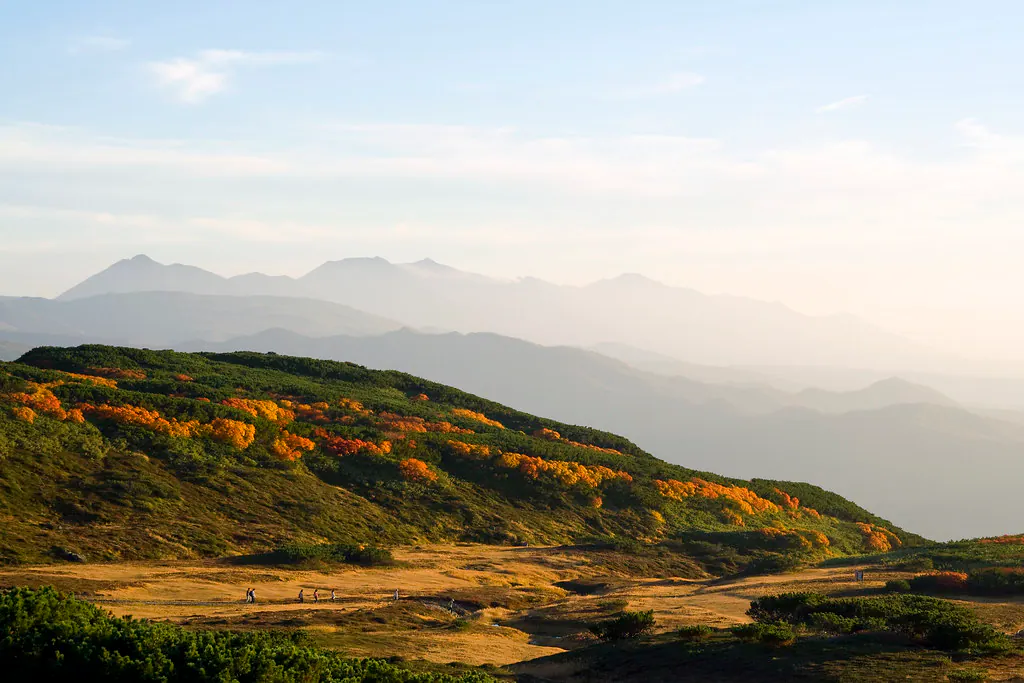
Kamikochi is worth considering for clear river scenery backed by the Japanese Alps. Maples and other deciduous trees bring varied color in October, while larches can become the golden highlight in late October and the early days of November. Do not expect the valley to follow Nagano city's foliage dates.
Choose a valley walking route that suits your time, fitness and the conditions. Enjoying the river and mountain views does not require committing to a summit hike. Keep a warm layer and a wet-weather alternative in the plan; a cold, shaded trail is a different environment from an afternoon in Tokyo.
Access is an important part of this choice. Private cars cannot enter Kamikochi; drivers transfer to a bus or taxi from the designated gateway areas. The normal visitor season ends in mid-November, and facilities can finish earlier. For 2026, the official Kamikochi visitor information lists services through November 15, with closure from November 16. Confirm your date and last departure before booking.
9. Korankei, Aichi: a dedicated maple-viewing day
Korankei in Toyota's Asuke area is a well-known choice for travelers who want a foliage-focused outing from the Nagoya region. The river, bridges and maple-lined walks give you several perspectives on the same landscape instead of one quick photo stop.
Mid- to late November is the usual starting window. Seasonal illuminations can make an evening visit appealing, but confirm the current event schedule rather than assuming the lights operate whenever leaves are present.
Treat Korankei as a substantial outing, not a short station-side detour on a transfer day. Public transport involves an onward bus, and popular autumn dates bring road congestion. If staying for lights, plan the journey back before settling in for dinner. The option to remain later is only useful when you can get back comfortably.
10. Minoh, Osaka: a waterfall walk outside the city center
Minoh, also written Minoo, is a good option when you are staying in Osaka and want a nature day without moving hotels. The wooded approach to Minoh Falls gives the visit a different character from a city garden or a temple admission queue.
Mid-November to early December is a useful broad viewing window. Choose it for a forest walk with a waterfall destination, not because every tree along the route will necessarily be at its brightest together.
Plan the return walk as carefully as the outward journey and wear shoes with grip. Wet leaves and an enthusiastic photo stop can make a simple path less straightforward. Start with enough daylight for the walk you intend to do; an evening illumination, when operating, is a separate plan and not permission to wander onto unlit trails.
11. Miyajima, Hiroshima: Momijidani Park and island sightseeing
Miyajima combines a famous island visit with foliage around Momijidani Park and the Daisho-in area. The park offers a different autumn scene from the waterfront shrine and torii: look inland for the maple setting rather than expecting the best leaves to be beside the ferry pier.
Mid- to late November is a common viewing window. For a comfortable day, choose the waterfront sights and one inland foliage area, then decide whether there is genuinely time and energy for anything more.
Do not automatically add a Mount Misen climb to a full island itinerary. Check daylight, walking conditions and any ropeway operating information separately. Keep your ferry return in mind, and avoid letting one sunset photo turn the end of a relaxed visit into a hurried descent.
12. Kuju and the Kurokawa area, Kyushu: mountains with hot springs
For travelers already exploring Kyushu, the Kuju mountains in Oita and the wider Kurokawa onsen area in Kumamoto offer an alternative to flying north solely for foliage. The appeal is the combination of upland scenery, open landscapes and a slower hot-spring stay.
October and November are the broader autumn months to investigate, with late October to mid-November useful for parts of the Kuju range. Higher terrain and individual onsen valleys differ, so avoid treating all of Kyushu as one late-November destination.
Choose your transport and walking ambition first. A scenic drive, a short nature walk and an exposed mountain route are not interchangeable activities. Check road, weather and local advisories, and allow time to arrive at your accommodation before its check-in or dinner deadline. Build this into a Kyushu trip rather than adding a distant overnight simply to complete a nationwide foliage checklist.
How to turn the foliage list into a realistic itinerary
Choose a region that suits the time you actually have. Trying to connect Hokkaido's September mountain color, Nikko's October scenery and Kyoto's late-November gardens on one short holiday is not a practical route. Pick a main travel window and let the scenery fit around it.
For a late-October nature trip, investigate upper Nikko, the Japanese Alps or Tohoku according to current conditions and your gateway city. For a mid- to late-November first trip, Tokyo and Kansai provide a more straightforward foundation, with Lake Kawaguchiko, Minoh or Miyajima considered only when they fit the route and reports.
Give each day one main foliage anchor, a nearby meal break and an optional second stop. Keep at least one city day or flexible outdoor block movable so you can respond to weather without rebuilding the holiday. Use our interactive Japan map to compare nearby places and the itinerary planner to organize the day. Our Kyoto and Osaka pacing guide explains why grouping nearby stops matters, while things to do in Tokyo helps balance garden visits with other interests. Still check actual transport schedules and entry rules before setting the day's order.
Check reports, allow for crowds and pack for the setting
Read the date and year on a foliage report before using it. A previous season's calendar is useful background, not evidence that a site is at peak now. Look for a named location, a recent photograph and a stage such as starting, peak or past peak. A city-level red-leaf prediction and a garden's ginkgo display are not the same measurement.
For Kyoto, check the official autumn leaves calendar and each temple's own admission information. Do not mistake a festival's scheduled dates for a guarantee of peak leaves. Reserve essential accommodation and timed admission when required, but keep optional sightseeing flexible. Weekdays and earlier visits can help with crowd management without guaranteeing quiet paths.
Pack layers, a rain shell and comfortable shoes appropriate to the route. City gardens and exposed mountain terrain need different preparation. Check trail conditions before a hike and keep outdoor time inside a safe daylight window. Rain can make colors appealing but also make steps and leaf-covered surfaces slippery.
Stay on marked routes, leave branches and leaves undisturbed, and do not block narrow paths or roads for photographs. At temples and gardens, follow staff directions and posted photography rules. An attractive view is not a reason to cross a barrier or enter private land.
Japan fall foliage questions
Is October or November better for autumn leaves in Japan? October is often more suitable for northern regions and higher elevations; November opens more famous lowland destinations around Tokyo, Kyoto, Osaka and Hiroshima. Neither month is best everywhere. Choose your region and exact dates together.
Can you still see fall colors in Japan in December? Sometimes, especially in lower-elevation city gardens and later-turning areas. Early December can still be worthwhile around Tokyo and parts of Kansai, but the specific tree, site and year's weather matter. Do not plan a late-December foliage trip around an early-December photograph.
Where should you go for a first autumn trip? Kyoto is a strong choice for temple maples, Tokyo for accessible gardens and golden ginkgo avenues, Nikko for mountain scenery, and Lake Kawaguchiko for a lake-and-Fuji setting. You do not need to include all four. Choose the combination that fits your dates and available days.
Is autumn leaf viewing called koyo or momijigari? Koyo refers to autumn leaf coloration, while momijigari describes going out to appreciate autumn leaves. Momiji is also commonly associated with Japanese maple leaves. You will see these terms in seasonal visitor information.
What if you miss peak color? Enjoy the gardens, architecture, rivers or mountain scenery you chose the trip for, then check nearby lower or higher locations rather than making an expensive last-minute journey across Japan. For the wider seasonal tradeoffs, read our guide to the best time of year to visit Japan.
Travel details can change. Confirm current schedules, opening hours, reservation rules, prices, and entry requirements with the relevant official provider before booking or traveling.
Related Japan Planning Articles
Tokyo · Activities · Trip Planning
Things to Do in Tokyo: Sights, Food, and Days That Fit Together
Trip Planning · Travel Tips · Transportation
Planning a Japan Trip for 2027: Changes, Dates, and Essential Tips

Travel Tips · Trip Planning · Activities