
Is It Worth Renting a Car in Okinawa?
Yes, renting a car in Okinawa is worth it for most travelers. Naha can work without one, but if you want beaches, waterfalls, castle ruins, northern Okinawa, scenic viewpoints, and flexible family days, a car changes the entire trip.
Affiliate disclosure: Some links in this article may earn Japan Trip Planners a commission at no extra cost to you. Recommendations are included when they are genuinely useful for planning, and you should still compare current prices, terms, and official provider information before booking.
Short answer: yes, rent a car if you want the full Okinawa experience
If your Okinawa trip is only a short city stay in Naha, you can get by without a rental car. The Yui Rail monorail connects Naha Airport with key city areas, and buses, taxis, and walking can cover some central sightseeing. For a very simple Naha-only trip, that may be enough.
But if your goal is to actually experience Okinawa beyond the airport, Kokusai Dori, and a few city stops, renting a car is usually the better choice. Okinawa is built around coastlines, beaches, castle ruins, resorts, waterfalls, forest roads, aquarium days, island bridges, and scenic viewpoints. Those places do not line up neatly along one train route.
That is why the honest answer is: yes, it is worth renting a car in Okinawa for most travelers. It is not because public transportation does not exist. It is because the places that make Okinawa special are spread out enough that a car gives you freedom, time, and a much better route.
When you can skip the car: a Naha-only trip
Naha is the one part of Okinawa where going car-free can make sense. You can use the Yui Rail from Naha Airport into the city, walk around Kokusai Dori, visit markets, reach Shuri-area sights with transit and walking, and use taxis when a route is awkward. If your hotel is central and your plans are mostly food, shopping, city sights, and nightlife, a car may sit unused while still costing money for parking.
This is also true if you are uncomfortable driving on the left, arriving exhausted after a long flight, planning to drink, or visiting during a short stopover. In that case, stay central, use the monorail and taxis, and keep the trip simple.
The tradeoff is that you will be experiencing Naha more than Okinawa as a whole. That can still be a good trip, but it is a different trip than exploring beaches, northern villages, jungle areas, aquarium stops, coastal viewpoints, and day drives.
Where a car changes the trip
A rental car becomes valuable as soon as the itinerary leaves central Naha. Okinawa's main island stretches much farther than many first-time visitors expect, and the best stops are often separated by 20, 40, 60, or 90 minutes of driving. By bus, those same movements can require waiting, transfers, limited schedules, and less flexibility if the weather changes.
Northern Okinawa is the clearest example. Okinawa Churaumi Aquarium, Bise-Fukugi Tree Road, Emerald Beach, Kouri Island, Nakijin Castle Ruins, Nago, Cape Hedo, waterfalls, and forest hikes are much easier to combine when you control the timing. A car lets you stop for a viewpoint, leave a beach when clouds roll in, or move a waterfall earlier in the day if rain is coming.
The middle and southern areas benefit too. American Village, Cape Manzamo, Nakagusuku Castle Ruins, Southeast Botanical Gardens, Okinawa World, Sefa-utaki, Umikaji Terrace, peace memorial sites, and coastal parks become easier to arrange as a real route instead of isolated bus trips.
- Beach days: easier with towels, swimsuits, snacks, sunscreen, and backup clothes in the car.
- Families: less hauling bags, strollers, beach gear, and tired children between buses.
- Rainy days: easier to swap a beach for an aquarium, mall, museum, cave, or onsen-style stop.
- Northern Okinawa: much easier for aquarium, Kouri Island, Nago, Motobu, Cape Hedo, and waterfalls.
- Sunset routes: easier to stay late without worrying about the final bus connection.
The public transportation reality in Okinawa
Okinawa does have public transportation. The official tourism site lists the Yui Rail, buses, taxis, rental vehicles, ferries, bicycles, and flights as transportation options. The Yui Rail is convenient for Naha, and buses can reach many parts of the main island with planning.
The issue is not whether public transportation exists. The issue is whether it supports the kind of day most travelers imagine. A route that looks simple by car can become a long chain of bus timetables, transfers, walking from stops, and limited return options. That matters if you are trying to visit a beach, a castle ruin, a waterfall, a scenic cape, and a nighttime area in one day.
If you do not drive, you can still visit Okinawa. You may just need to slow the itinerary down, stay near bus-friendly areas, book tours for farther sights, or use taxis for difficult connections. For travelers who want flexibility and broad coverage, the car is usually the cleaner solution.
How many rental-car days do you need?
You do not always need a car for every night of the trip. A smart approach is to separate Naha days from road-trip days. Spend the first night or two in Naha without a car if you want city food, markets, Kokusai Dori, and monorail-friendly sightseeing. Then pick up the rental when you are ready to drive north, visit beaches, move hotels, or build a multi-stop day.
For a three- or four-day Okinawa trip, renting for one or two full days can unlock a northern aquarium and beach route, a southern culture and cave route, or a central coast route. For a weeklong trip, a car becomes even more useful, especially if you split time between Naha and Nago or Motobu.
If your flight departs in the afternoon, returning the car near Naha Airport can work well. Just leave more time than you think you need for fuel, return inspection, shuttle transfer, luggage, and check-in. Okinawa airport and rental-car return areas can feel busy at peak times.
Do not judge the cost by the rental price alone
The daily rental price is only part of the real cost. Add insurance or damage waiver choices, fuel, parking, possible tolls, child seats, hotel parking fees, and any one-way or late-return rules. In resort areas, parking may be included. In central Naha, it may cost extra or require a nearby paid lot.
That said, a car can still be good value. For two, three, or four travelers, one rental car may replace multiple taxis, tours, long bus rides, luggage stress, and lost time. It also lets you combine stops that would be awkward separately.
Before booking, check whether your hotel has parking, whether attractions charge parking, and whether the vehicle size fits your luggage. A small kei car can be great for narrow roads and fuel costs, but it may not fit four people with large suitcases comfortably.
What driving in Okinawa feels like
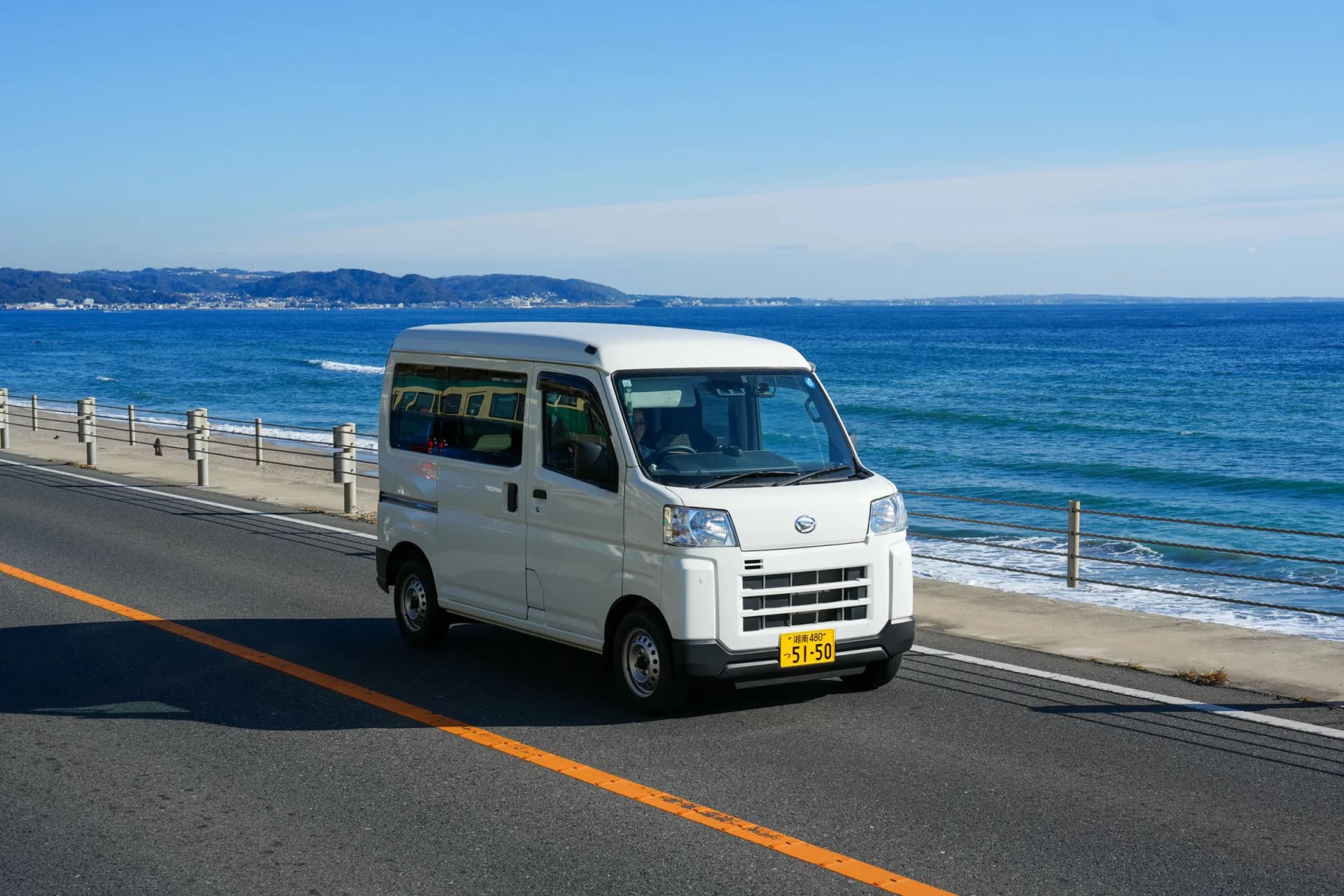
Okinawa drives on the left side of the road, like the rest of Japan. Roads around Naha can feel busy, while coastal and northern roads are often more relaxed once you leave the densest areas. Navigation is generally manageable with a phone, but you should save Japanese place names, hotel addresses, and parking locations before driving.
Expect slower travel than the map sometimes suggests. Traffic around Naha, resort areas, event days, holidays, beach weather, or airport return times can add delays. Build breathing room into the day instead of stacking the itinerary so tightly that one slow road ruins the plan.
Also remember that driving means someone cannot drink. Okinawa has great nightlife and local food areas, so plan city evenings around walking, taxi, or transit if alcohol is involved.
Confirm your license documents before you book
Before paying for a rental, confirm exactly what documents you need to drive in Japan based on the country that issued your license. Many visitors need an International Driving Permit prepared before arriving in Japan, along with their original driver's license and passport. Some licenses require an official Japanese translation instead.
Do this before the trip, not at the rental counter. If your documents are wrong, the rental company may not release the car, and the best Okinawa road-trip plan can collapse on the first day. Also check insurance options, emergency procedures, fuel return rules, child seat requirements, and pickup hours.
If you are arriving after a long international flight, consider staying in Naha first and picking up the car the next morning. You will be more alert, the route will feel calmer, and you can start the road-trip portion with better energy.
A simple way to structure an Okinawa car itinerary
A practical Okinawa route often starts with Naha, then moves north. Use Naha for arrival, food, markets, monorail-friendly sights, and a lighter first day. Then rent the car for the days when you want to reach beaches, caves, castle ruins, gardens, waterfalls, northern viewpoints, the aquarium area, and smaller coastal towns.
One day can focus on southern Okinawa: peace memorial sites, Okinawa World, Valley of Gangala, Sefa-utaki, Cape Chinen, and Umikaji Terrace. Another day can focus on central Okinawa: American Village, Cape Manzamo, Nakagusuku Castle Ruins, Southeast Botanical Gardens, Cave Okinawa, and resort coast areas. A northern day can focus on Nago, Motobu, the aquarium, Bise-Fukugi Tree Road, Emerald Beach, Nakijin Castle Ruins, Kouri Island, and Cape Hedo if you are willing to drive farther.
That structure is exactly where a car shines. Instead of asking, "Can a bus technically get there?" ask, "Can I connect these places comfortably and still enjoy the day?" In Okinawa, the answer is often much better with a rental car.
Final verdict: rent the car, but use it wisely
For a Naha-only trip, skip the car or rent for just one targeted day. For a real Okinawa trip that includes beaches, northern Okinawa, waterfalls, castle ruins, resort areas, scenic drives, family stops, and flexible weather decisions, rent the car. It is one of the biggest upgrades you can make to the itinerary.
The best version is not driving every minute. It is using the car to remove friction. Drive when the sights are spread out, park when an area is walkable, and give yourself time to actually enjoy the coast, food, and scenery instead of constantly racing to the next stop.
Okinawa rewards travelers who can move at their own pace. A rental car turns the island from a few reachable stops into a flexible route.
Travel details can change. Confirm current schedules, opening hours, reservation rules, prices, and entry requirements with the relevant official provider before booking or traveling.