

Top Sights to See in Japan: 10 Places Worth Your Time
Temple gates, neon canals, castle views and Okinawa's blue coast: start with these ten sights in Tokyo, Kyoto, Osaka, Fukuoka and Okinawa, then build a trip around the places that excite you most.
Affiliate disclosure: Some links in this article may earn Japan Trip Planners a commission at no extra cost to you. Recommendations are included when they are genuinely useful for planning, and you should still compare current prices, terms, and official provider information before booking.
Which sights should you see in Japan?
For a varied first shortlist, choose Senso-ji and Shibuya Crossing in Tokyo, Fushimi Inari and Kiyomizu-dera in Kyoto, Osaka Castle and Dotonbori in Osaka, Tochoji and Kushida Shrine in Fukuoka, and Cape Manzamo and Churaumi Aquarium on Okinawa's main island. Together, they show how different Japan can feel from one destination to the next.
This is a collection to choose from, not a challenge to squeeze ten sights into one week. Tokyo, Kyoto and Osaka make a natural first-trip route. Fukuoka adds a Kyushu city break, while Okinawa needs separate island travel and time of its own. Pick the places that match your interests before deciding how many hotel changes your trip needs. Our first-time 10-day Japan itinerary is a useful starting point for the classic route.
Things to do in Tokyo: Senso-ji and Shibuya Crossing
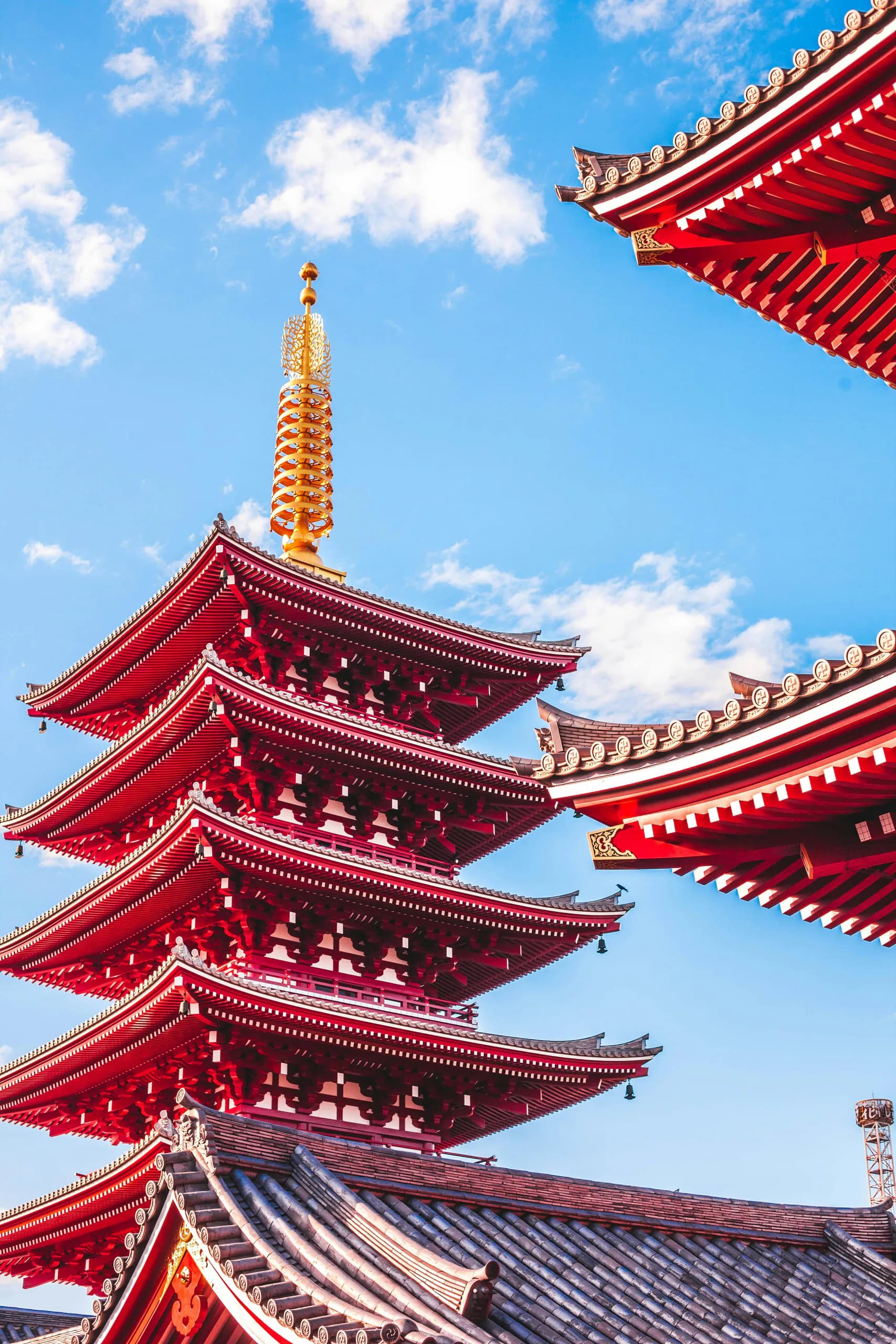
1. Senso-ji, Asakusa. The approach is part of the experience: a huge lantern at Kaminarimon, the shops of Nakamise, then temple buildings and a pagoda rising beyond the crowds. Senso-ji is an active Buddhist temple, not simply a photo backdrop. Leave space for worshippers and follow signs about photography inside buildings.
Allow a relaxed couple of hours for the temple area, browsing and a snack. An early visit can give you more breathing room, but some shops may not be open yet. If shopping is a priority, a later visit is a reasonable trade-off. Avoid treating the busiest stretch of Nakamise as a place to stop in the middle for a long photo session.
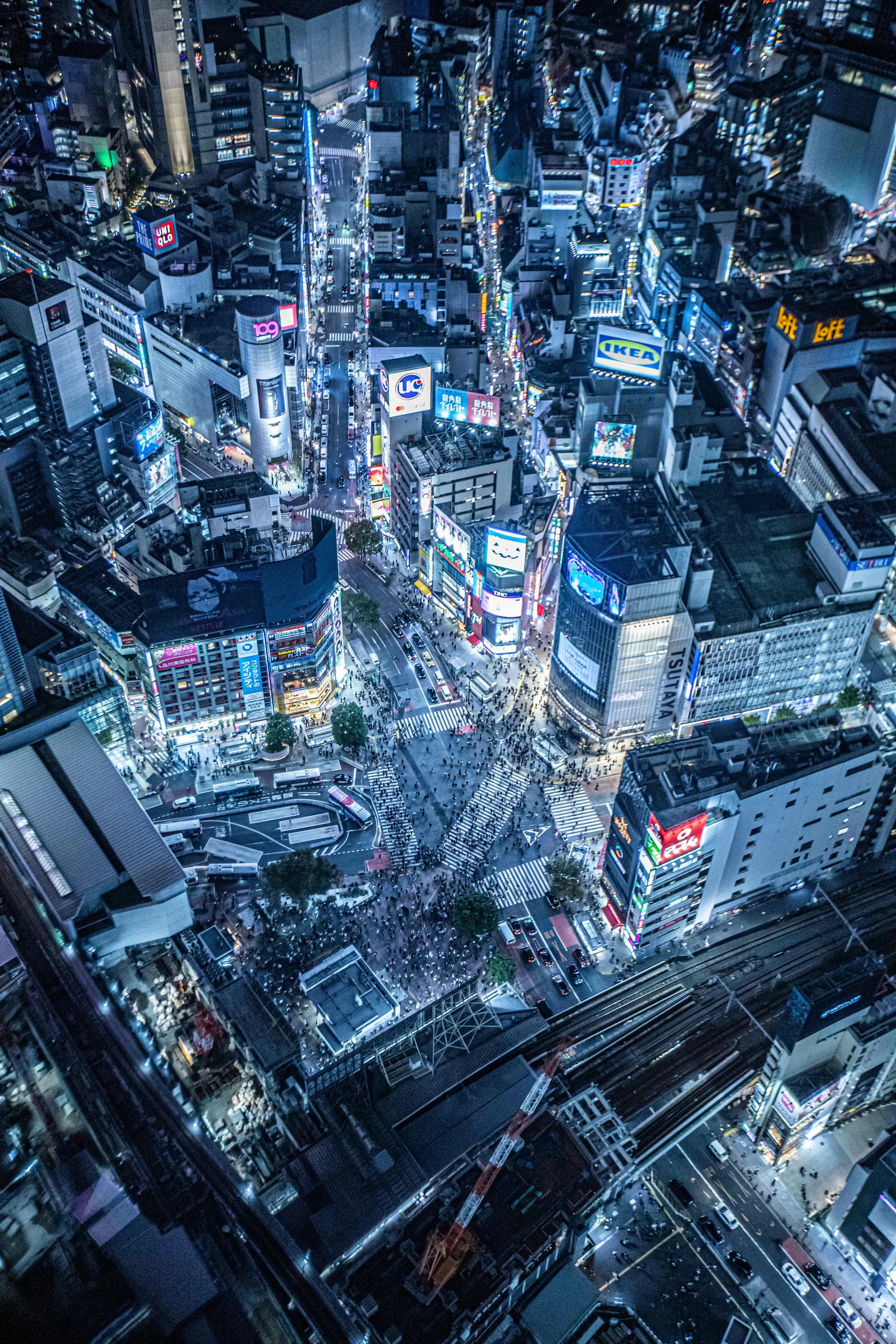
2. Shibuya Scramble Crossing. For the opposite side of Tokyo, head to the intersection outside Shibuya Station. The attraction is the movement: waves of pedestrians, huge screens and streets pulling away in several directions. Walking across costs nothing, and you do not need an observation-deck ticket to experience it.
The crossing itself is a short stop; make it part of an evening exploring Shibuya and finding dinner. Take photos from a safe position without blocking pedestrians, and keep moving while crossing. Asakusa and Shibuya are on different sides of central Tokyo, so leave room for the train journey or visit them on separate neighborhood days. Find more things to do in Tokyo to build around each stop.
Things to do in Kyoto: Fushimi Inari and Kiyomizu-dera
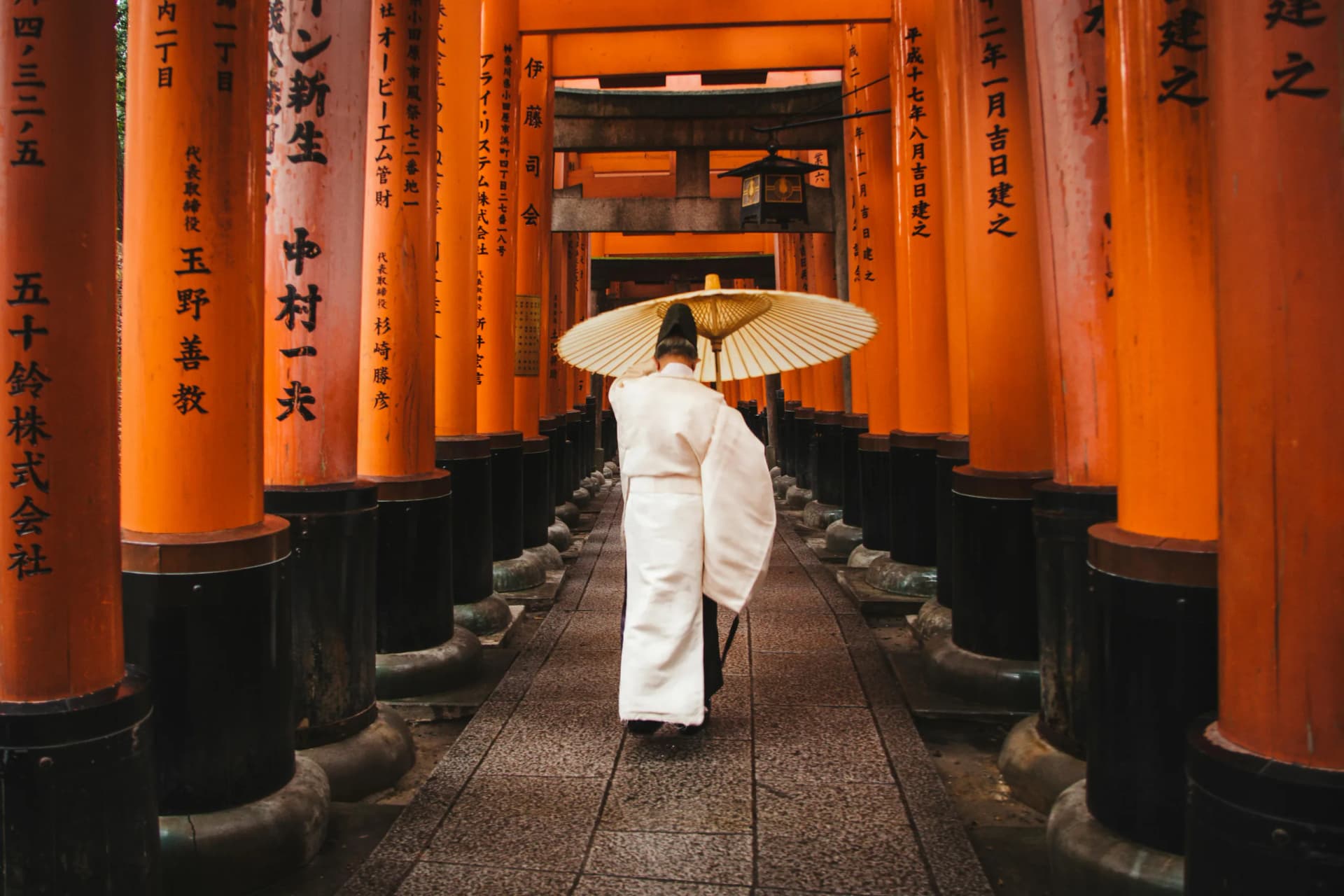
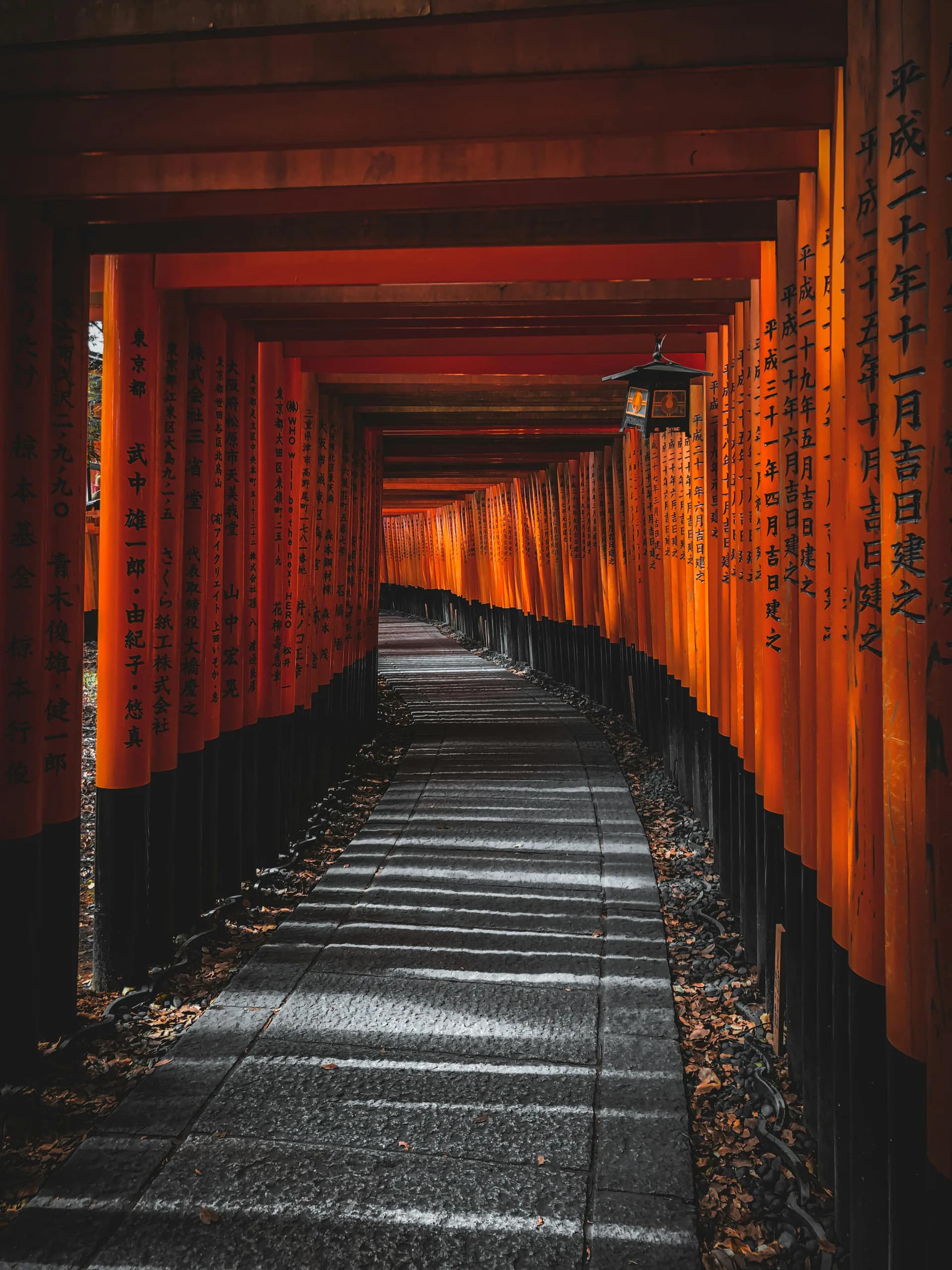
3. Fushimi Inari Taisha. Vermilion torii gates wind through the shrine grounds and up Mount Inari. You can appreciate the lower paths on a shorter visit or spend much longer walking uphill. The important choice is not which photo to take, but how far you actually want to walk: the famous entrance does not mean you have completed the mountain route.
Comfortable shoes, drinking water and a realistic turnaround time matter here. Expect steps and climbing if you continue higher. Let others pass in the narrow gate corridors, and do not block the path while waiting for an empty photograph. JR Inari Station is close to the shrine entrance, making the area straightforward to reach without a car.
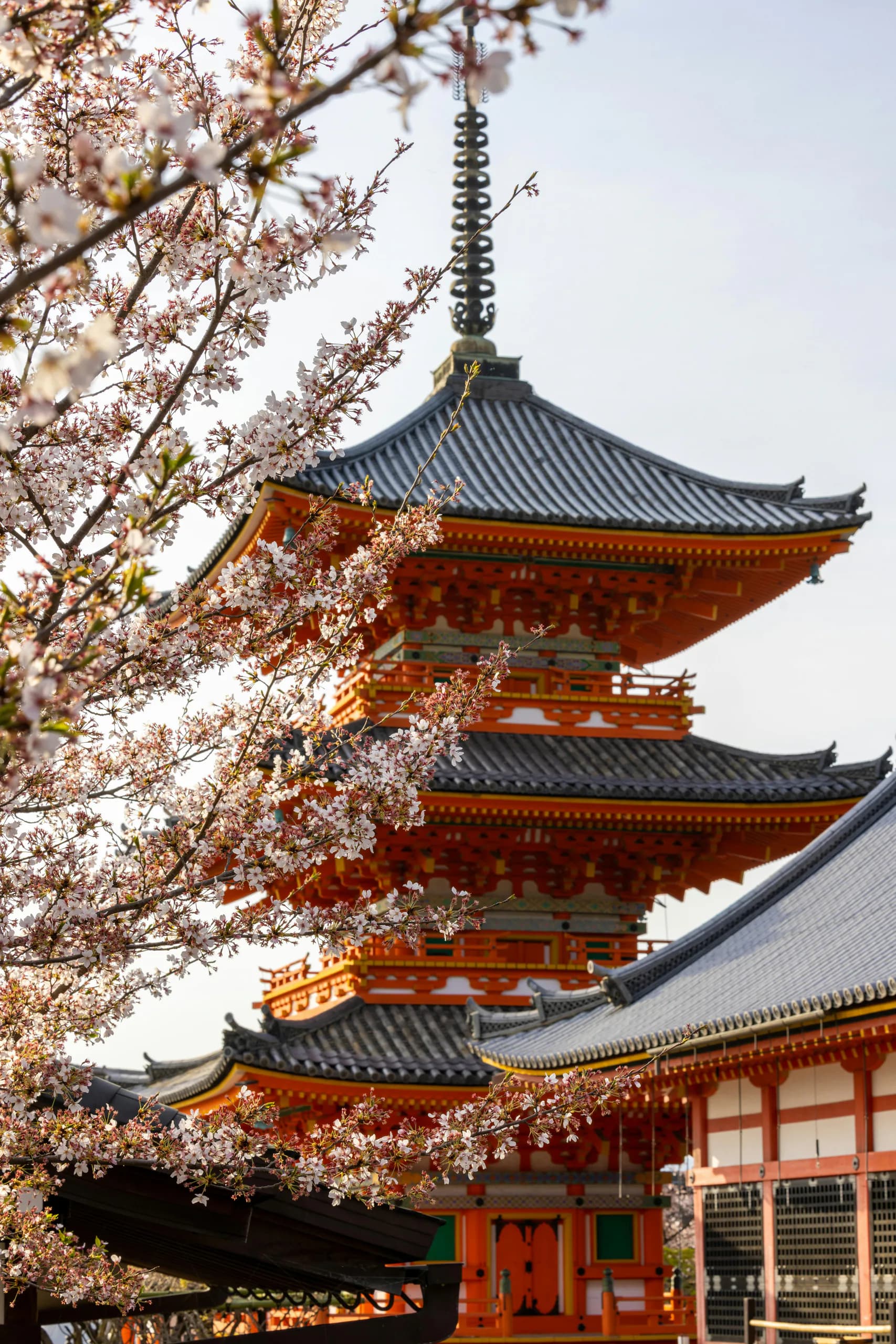
4. Kiyomizu-dera. This hillside temple is best known for its wooden stage and views across Kyoto. Its appeal also includes the approach through Higashiyama, where lanes and shops make the walk feel like part of the visit rather than a transfer between attractions.
Give the temple and surrounding streets a generous half-day if you enjoy browsing and stopping for tea. There are slopes and steps, so visitors with mobility needs should check the accessible approach in advance. Fushimi Inari and Kiyomizu-dera are in different areas: doing both is possible, but treating each as the anchor of a separate morning leaves much more room to enjoy Kyoto. Browse more things to do in Kyoto before filling every gap in your schedule.
Things to do in Osaka: Osaka Castle and Dotonbori
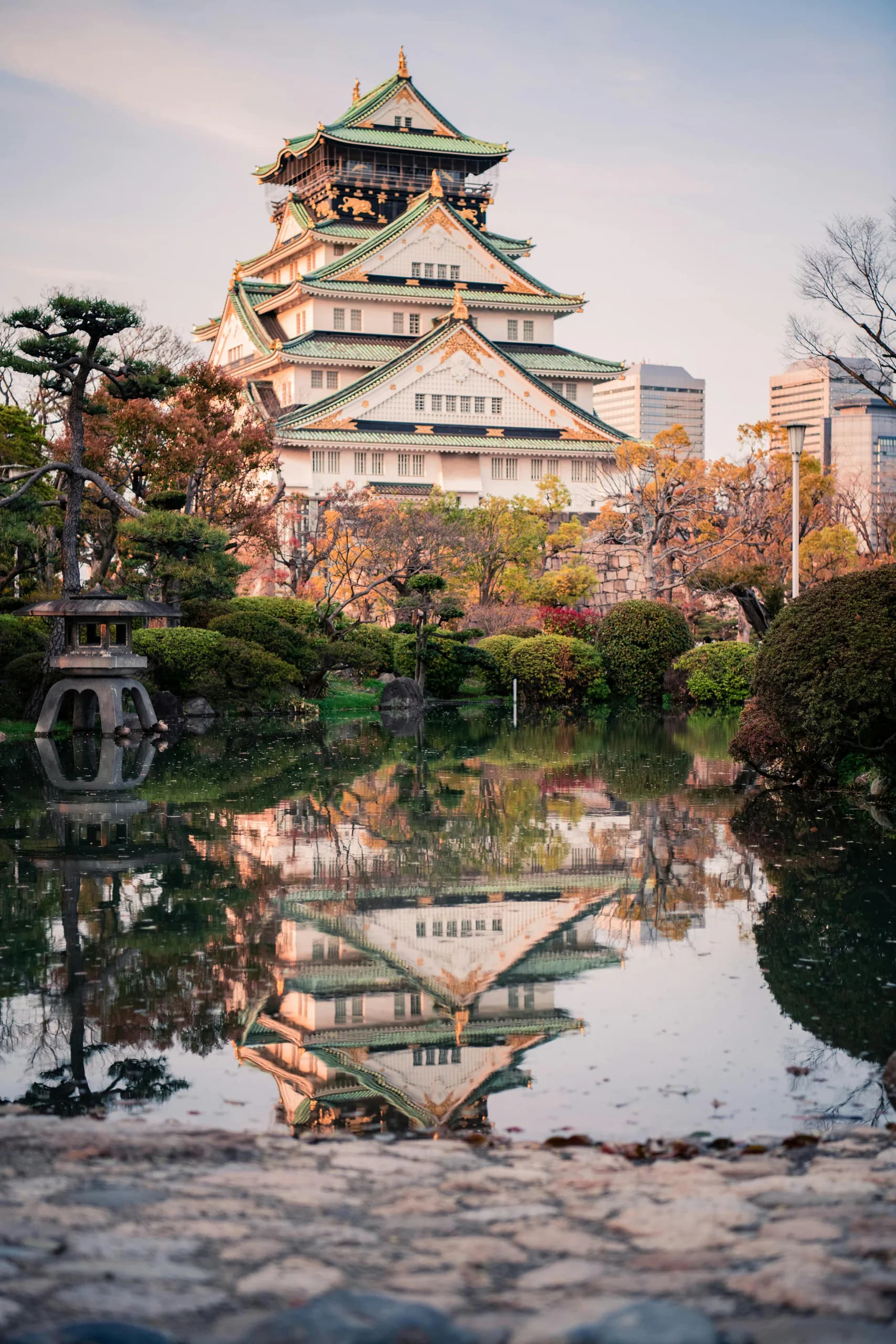
5. Osaka Castle. The white walls, green roofs, stone fortifications and surrounding park make this one of the clearest contrasts to Osaka's busy shopping districts. The present main tower is a reconstruction with a museum inside, so choose between a park-and-exterior visit or adding time for the exhibits and views.
The park is larger than a map thumbnail suggests. Factor in walking from your station to the castle rather than counting arrival at the nearest station as arrival at the entrance. A morning here followed by a slower lunch works well; you do not need to rush across town to another major attraction immediately afterward.
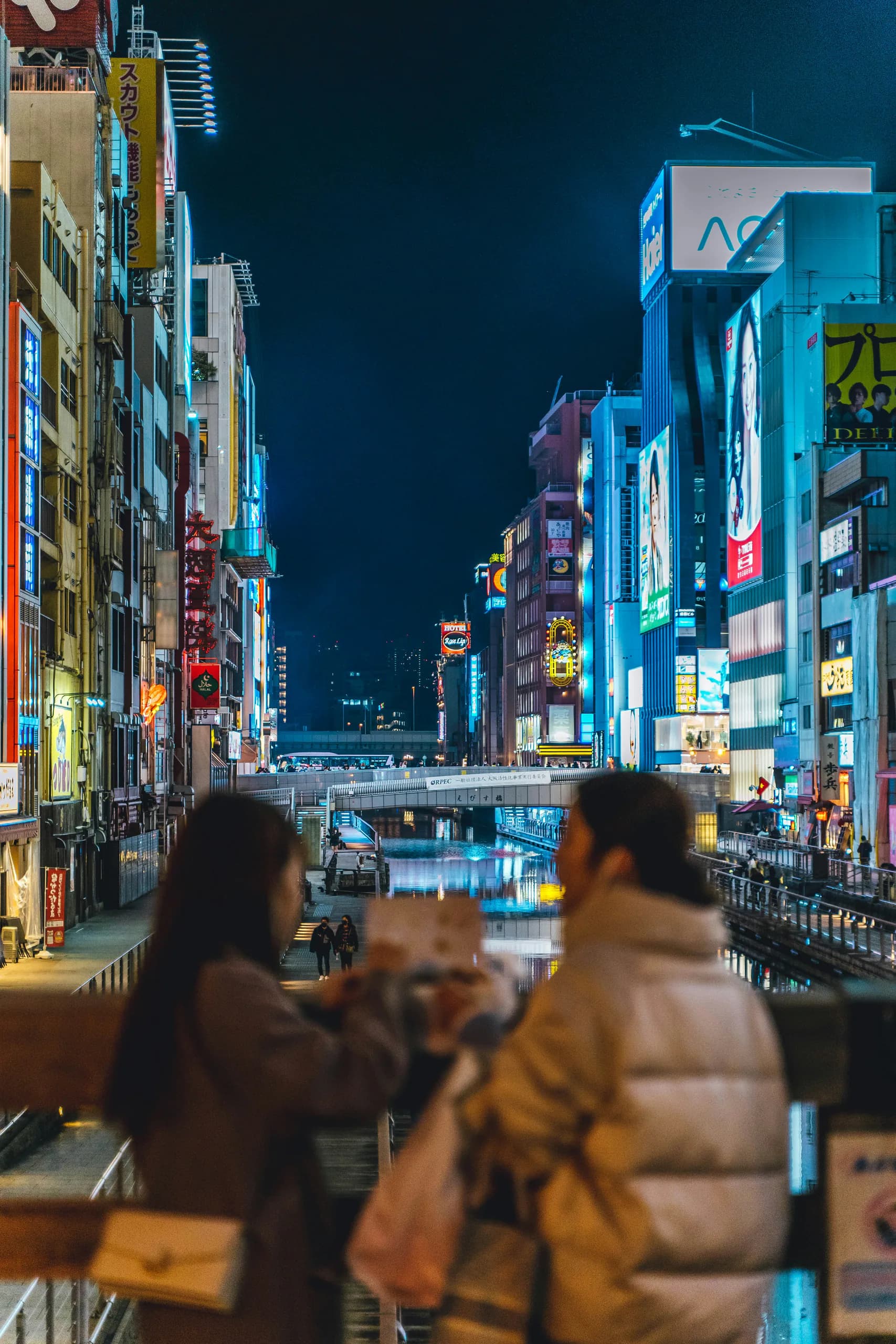
6. Dotonbori. Come for the canal-side signs and stay for the atmosphere around Namba. The Glico running-man sign is the familiar landmark, but the fun is in looking up at the oversized shop signs and choosing somewhere to eat. Takoyaki and okonomiyaki are classic Osaka options, although a long queue is not a guarantee of your best meal.
Dotonbori is particularly striking after dark. Set aside an evening rather than booking a tight dinner-to-train connection, and keep bridges and narrow walkways clear when taking pictures. Osaka Castle by day and Dotonbori by night make a satisfying pairing, with time between them for a rest at your hotel. Our Osaka destination guide has more ideas nearby.
Things to do in Fukuoka: Tochoji and Kushida Shrine
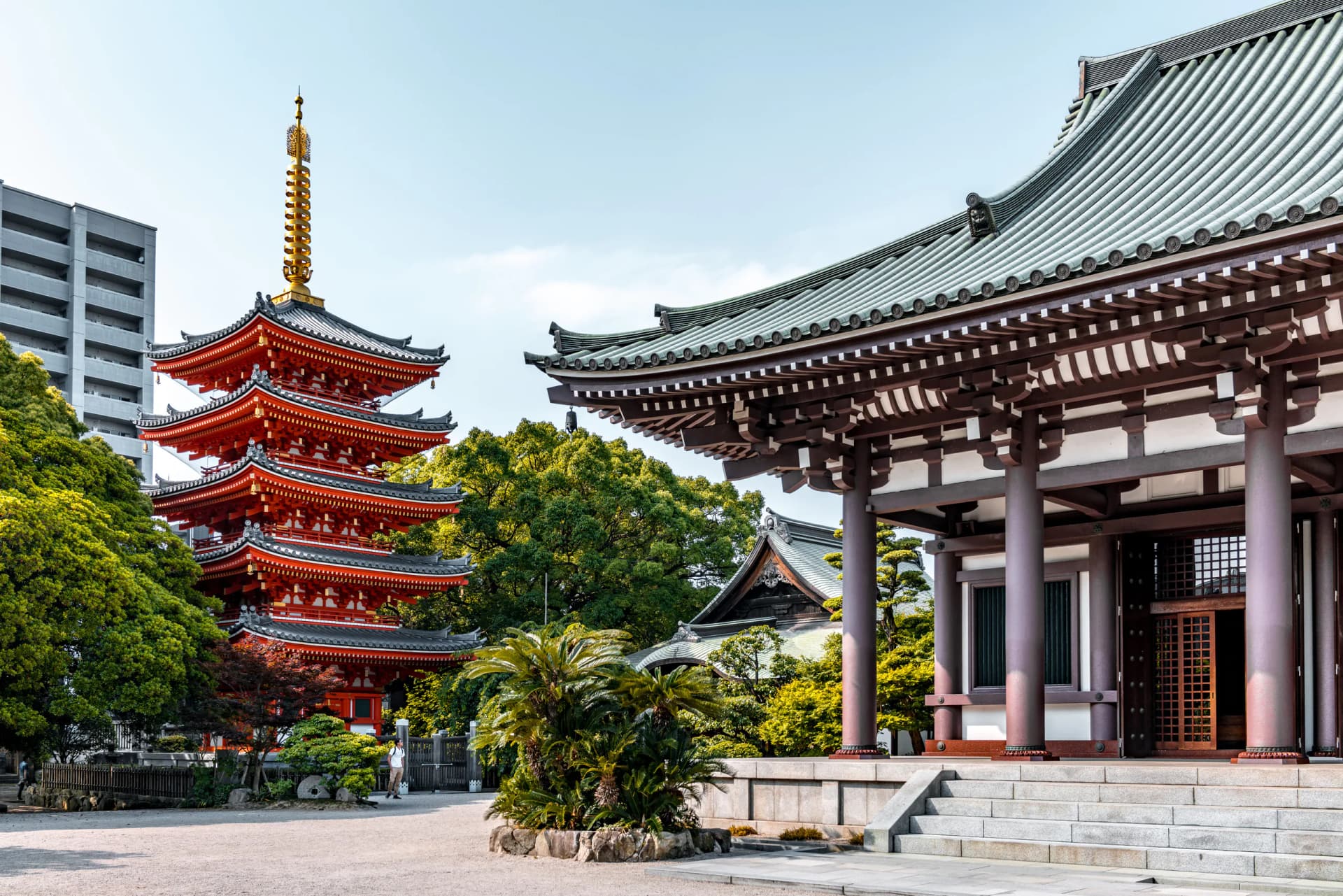
7. Tochoji Temple. Fukuoka deserves attention beyond its food scene. In Hakata Old Town, Tochoji has a striking red pagoda and the Fukuoka Daibutsu, a huge seated wooden Buddha. It is a worthwhile stop for travelers who want a quieter cultural visit between meals and shopping, rather than another observation deck.
Treat the grounds and the Buddha hall as separate parts of your visit: access arrangements and photography rules can differ. Check the current hall opening information if seeing the Buddha is your main reason for coming. Gion Station is a convenient starting point for exploring this part of Hakata on foot.
8. Kushida Shrine. This shrine is closely connected with Hakata Gion Yamakasa, the city's famous summer festival. You do not have to visit during the festival to appreciate the shrine, but do not expect the processions simply because you have arrived at its home. Outside festival periods, take your time looking at the buildings and details around the grounds.
Tochoji and Kushida fit naturally into the same Old Town outing. Plan a flexible half-day including the walk between them and a food stop, rather than turning two nearby cultural sites into two separate cross-city journeys. Both are places of worship, so keep voices down around services and respect areas closed to visitors. Explore more things to do in Fukuoka if you are extending your trip into Kyushu.
Things to do in Okinawa: Cape Manzamo and Churaumi Aquarium
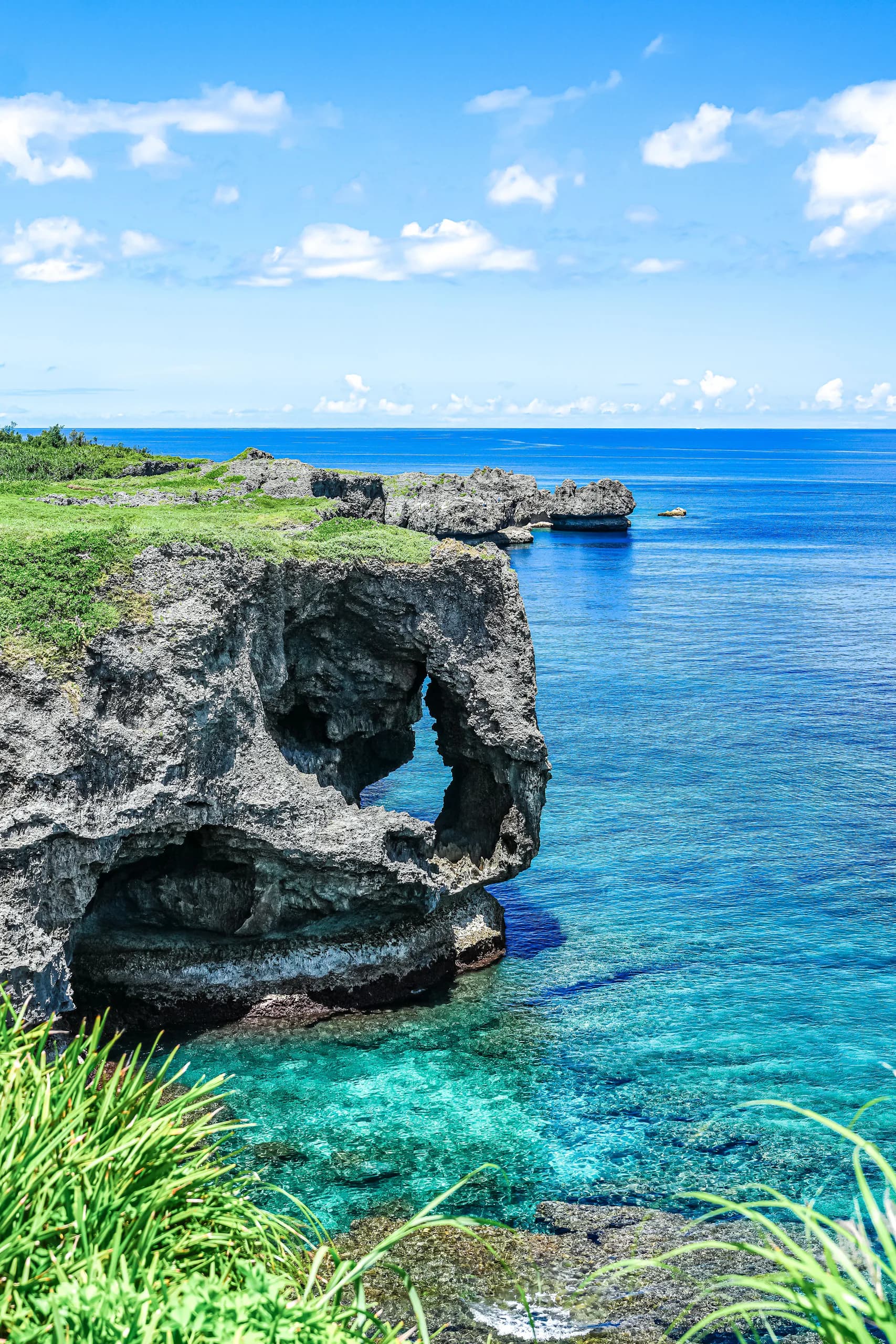
9. Cape Manzamo. On Okinawa's main island, the scenery shifts to limestone cliffs and blue water. Cape Manzamo, in Onna, is known for the rock formation shaped like an elephant's trunk. It is a coastal viewpoint and walking stop, not a beach where you descend from the cliff to swim.
Choose a clear part of the day for the sea colors, but keep the plan flexible if wind or heavy rain makes the exposed coast unpleasant. Stay on the designated paths and behind barriers. This is a relatively short sightseeing stop, so it works best as part of a west-coast day rather than the sole reason for a long return journey from Naha.
10. Okinawa Churaumi Aquarium. Farther north, in Motobu's Ocean Expo Park, the aquarium introduces the marine environments around Okinawa. Its large Kuroshio Sea tank is the centerpiece. It gives travelers who are not diving a way to see marine life, and makes a useful change of pace from outdoor coastal stops.
The aquarium is not in Naha, and Okinawa is not connected to the mainland by shinkansen. Budget for island travel and a substantial road journey from the capital. A rental car, suitable bus service or organized day trip can work; check your return transport before committing to the day's stops. Allow several hours at the aquarium and more if you want to explore the wider park. Cape Manzamo and the aquarium can share a driving day, but do not assume a simple direct bus connection between them. Our guide to renting a car in Okinawa can help you decide whether driving fits your plans.
Planning your Japan sightseeing: common questions
Can you visit all five destinations on one trip? Yes, with enough time, but they are not neighboring sightseeing districts. For a short first trip, focus on Tokyo and Kansai. Add Fukuoka when you have time for Kyushu, or Okinawa when an island stay is a real priority. Do not sacrifice every relaxed afternoon just to say you visited another destination.
Which sights work on a budget? Shibuya Crossing and a walk around Dotonbori do not require admission tickets. Some temple grounds and park areas can also be explored without buying entry to every building. Keep the distinction between free surrounding areas and paid halls, museums or special gardens clear when estimating costs.
How many major sights should you plan in one day? One or two anchors with nearby meals and smaller stops is a comfortable starting point. A long mountain walk at Fushimi Inari and a quick crossing in Shibuya are not equivalent time commitments. Include station exits, walking, queues and rest breaks, not just the ride between pins.
What should you book ahead? Check your actual travel dates before reserving admission or transport. Special events, holiday periods and timed-entry attractions can change the amount of planning you need. Leave weather-dependent viewpoints flexible where possible, and keep one indoor alternative for a rainy day.
There is much, much more to see in Japan
These ten sights are only a starting point. Japan has much, much more to discover: small neighborhood shrines, gardens, food streets, waterfalls, mountain towns and places you might never find on a standard top-ten list. The most memorable addition to your trip may be close to somewhere you already plan to go.
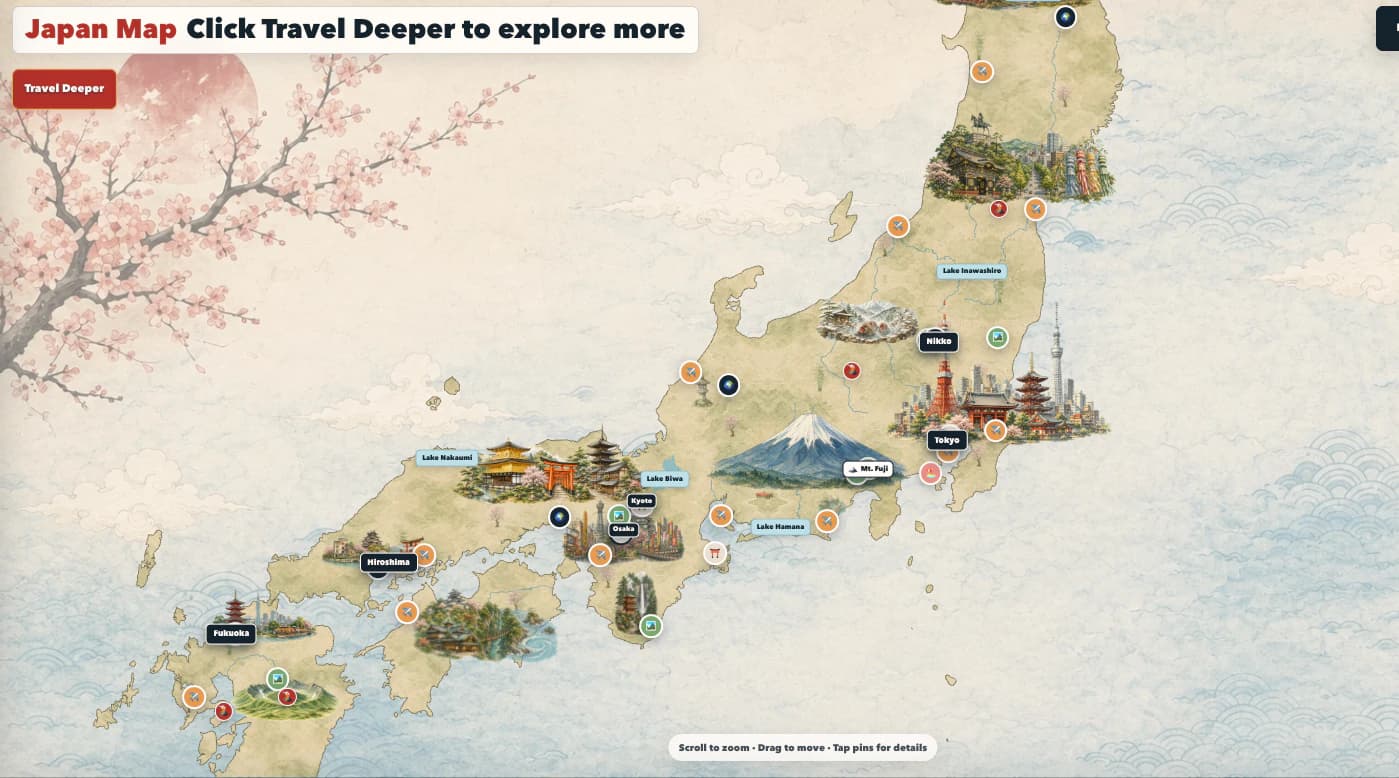
Continue exploring on our interactive Japan map. Look around your chosen destinations, find sights that suit your interests and build a route with room for your own discoveries. When you have a shortlist, bring it together in your Japan itinerary planner. You do not need to see everything. You just need a trip that feels like yours.
Travel details can change. Confirm current schedules, opening hours, reservation rules, prices, and entry requirements with the relevant official provider before booking or traveling.
Related Japan Planning Articles
Trip Planning · Travel Tips · Tokyo · Kyoto · Osaka
Japan Vacation: A Practical Guide to Planning Your Trip
Trip Planning · Travel Tips · Tokyo · Kansai
10-Day Japan Itinerary for First-Time Visitors
Trip Planning · Travel Tips · Culture · Tokyo · Kansai