

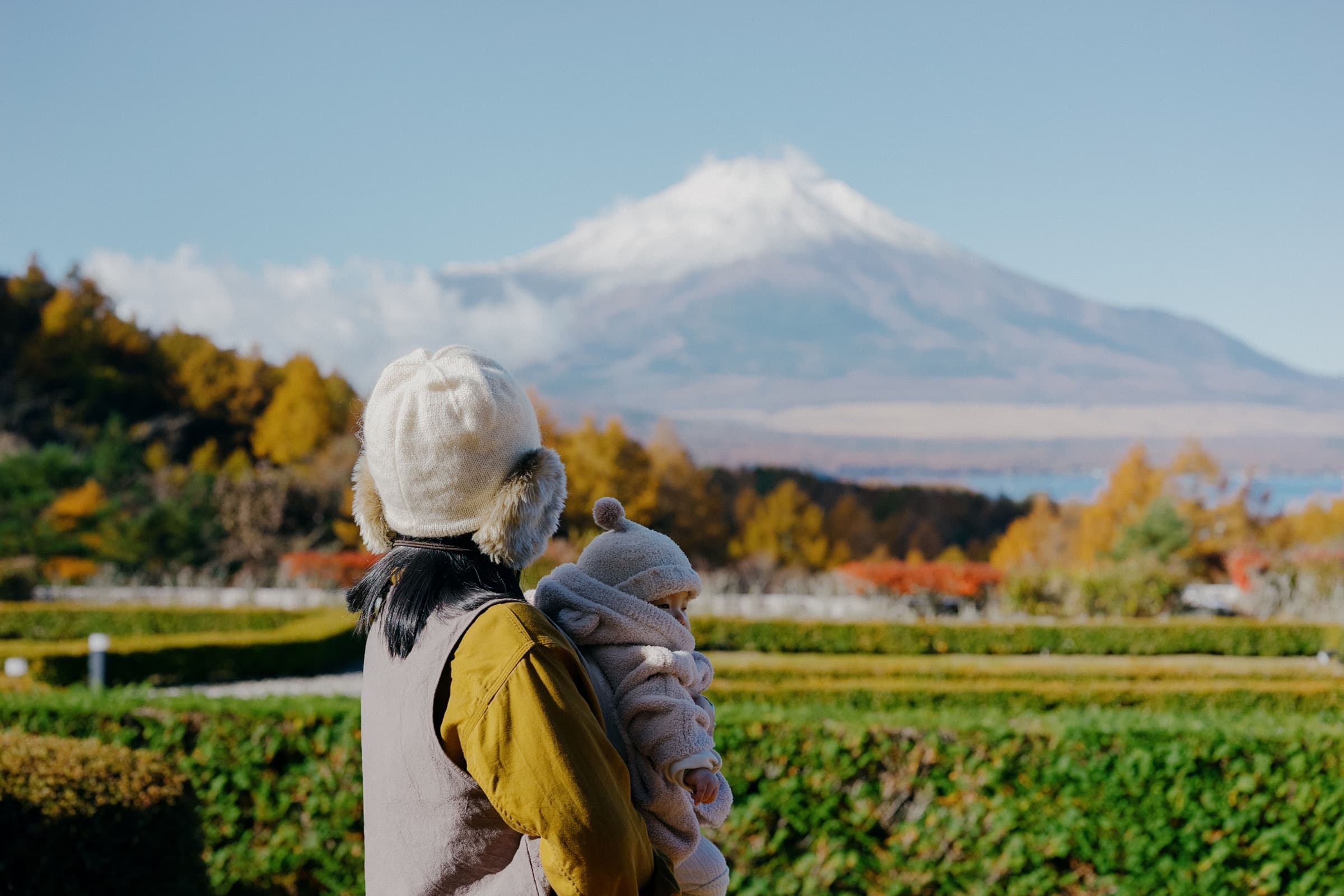
Is Taking Your Children to Japan a Bad Idea?
No, taking your children to Japan is not a bad idea. The country can be a wonderful family destination, but the best trip is built around children's energy, sleep, mobility, and interests instead of an adult sightseeing checklist.
Affiliate disclosure: Some links in this article may earn Japan Trip Planners a commission at no extra cost to you. Recommendations are included when they are genuinely useful for planning, and you should still compare current prices, terms, and official provider information before booking.
No, taking your children to Japan is not a bad idea
Japan can be an extraordinary place to experience as a family. Children can ride famous trains, see castles and temples, explore aquariums and science museums, meet beloved characters, try unfamiliar snacks, visit beaches and mountains, and discover that everyday life can work differently from home.
The honest qualification is that Japan is not automatically easy simply because it is organized. A station can be spotless and still require a long walk. A train can be punctual and still be difficult with luggage, a stroller, and a tired toddler. The destination is rarely the problem. The pace is.
For a broader route-planning guide, also read Is Planning a Family Trip to Japan a Good Idea?
Why Japan can work so well for families
Japan offers unusually strong variety within a single trip. A family can spend one day around trains, technology, character shops, or an aquarium and the next among gardens, shrines, beaches, farms, or mountain scenery.
Practical family facilities are common in major urban areas. Large stations, shopping centers, department stores, and major attractions often have changing facilities, nursing rooms, elevators, and accessible restrooms. Japan's national tourism organization has a useful current overview in its guide to traveling with children. Facilities are not identical everywhere, especially in older buildings and rural areas, so check the places that matter to your family.
Public transportation works especially well in the largest cities. A car becomes more useful when the trip moves toward rural Okinawa, Hokkaido, Kyushu, mountain areas, waterfalls, beaches, or small towns with infrequent service.
What is genuinely difficult about Japan with children?
Jet lag can overturn a carefully planned first week. A child who wakes at 3:00 AM may be ready for lunch when a museum opens, then fall asleep during the attraction you booked months ago. Keep the first day light, avoid making an expensive timed reservation immediately after an international arrival, and expect sleep to be irregular before it improves.
Walking adds up quickly. The distance shown between two stations does not include every corridor, staircase, platform, transfer, station exit, and wrong turn. Adults who normally enjoy a 20,000-step sightseeing day may discover that it is very different while carrying a child or managing a stroller. Elevators help, but the accessible route can be much longer than the stairs.
Crowds are another real consideration. Rush hour, major stations, theme parks, popular temple streets, seasonal festivals, and holiday periods can be overwhelming. Compact hotel rooms can also feel much smaller after adding luggage, a stroller, and extra beds. Summer heat and humidity can drain children quickly, while winter conditions and typhoon season can disrupt outdoor plans. None of these issues make the trip a mistake, but they deserve space in the itinerary.
Plan for the age of the child you are bringing
A baby may be easier to carry than a toddler, but feeding, naps, diapers, medication, and sleep still control the day. Confirm that the hotel can provide the sleeping arrangement you expect, identify nursing and changing spaces around important stops, and bring a carrier even if you plan to use a stroller. A carrier can be invaluable on stairs, narrow streets, and crowded trains.
Toddlers and preschoolers need movement, snacks, bathrooms, and recovery time. Alternate quiet cultural stops with gardens, playgrounds, aquariums, short train rides, or open spaces. Do not mistake a child surviving a long day for a child enjoying it. One memorable priority followed by flexible nearby choices is often enough.
School-age children can participate in planning. Let them choose a museum, train, character store, animal experience, castle, observation deck, or special food. Teenagers may care more about anime, fashion, photography, gaming, music, sports, shopping, hiking, or specific neighborhoods. Giving each child some ownership makes the trip feel shared rather than imposed.
- Babies: protect feeding and sleep routines, verify bedding, and carry both a stroller plan and a carrier plan.
- Toddlers and preschoolers: schedule open space, snacks, bathrooms, and a dependable midday reset.
- School-age children: let them choose a daily highlight and show them where it sits on the map.
- Teenagers: build around real interests and leave some time that is not planned minute by minute.
Strollers, trains, and child fares need a little preparation
A lightweight stroller can be very useful, but it should fold easily and should not be the family's only mobility plan. Older stations, temple paths, buses, steep neighborhoods, and busy platforms can make a bulky stroller frustrating. When possible, avoid commuter rush hours and leave extra time for elevators.
Reserved seats can reduce uncertainty on long-distance trains, especially when several family members need to sit together. Child fare rules vary by age, seat type, and operator. JR Central's current child-fare guide explains its age categories, half-price child fares, and important exceptions for reserved and premium seating.
Always verify the current rule with the operator before buying. A broad rail pass is not automatically the least expensive option for a family, and local subway or private railway fares may not be included.
Check the hotel, food, and health details before arrival
Do not assume that a room described for two adults can comfortably hold two adults and two children. Japanese hotels may use occupancy limits, narrow beds, or room layouts that leave little space once luggage is open. Read the exact room details and ask the property when anything is unclear. You can compare Japan hotel options here, then confirm occupancy and bedding with the property before paying.
Children with serious allergies or restrictive diets need extra preparation. Carry a clear translation card, confirm directly with the restaurant, and never treat an automated translation as a medical guarantee.
Bring enough essential medication and check Japan's official medication import requirements before departure. Families may also want to compare travel insurance options for medical care, cancellations, delays, and the activities on their route.
What a better family sightseeing day looks like
Choose one anchor experience for the day and place it at a realistic time. That may be a timed museum, theme park, aquarium, temple district, day trip, beach, or scenic railway. Add one or two nearby ideas that can be shortened or skipped without ruining the day. A family itinerary should have priorities, not a chain of obligations.
Keep food flexible when the neighborhood already provides options. A long visit to Asakusa, Ueno, Akihabara, Shibuya, Dotonbori, Nara Park, or a large attraction can naturally include snacks or lunch nearby. Traveling across the city for a generic meal creates unnecessary transfers. Reserve a restaurant only when the meal itself is one of the day's priorities.
A useful rhythm is an active morning, a flexible meal, one afternoon priority, and an optional evening. Younger children may need a hotel break. Older children may prefer shopping or an arcade instead. End the day while everyone still has enough patience to navigate back to the hotel. The last hour often determines how the entire day is remembered.
Choose experiences your family will actually enjoy
Tokyo and Yokohama offer aquariums, science museums, observation decks, character stores, theme parks, interactive art, gardens, and train experiences. Osaka has large indoor attractions and easy day trips. Kyoto works well when cultural stops are balanced with trains, river areas, crafts, sweets, or a short trip to Nara.
Use the Interactive Map of Japan to compare family-friendly places by location. For timed attractions, Klook is one place to compare eligible Japan activity tickets, and code ADVENTURRA may provide a discount on eligible bookings. Check current age rules, cancellation terms, and the official provider information before paying.
When should a family reconsider or postpone?
It may be sensible to postpone if a child has a health need that cannot be supported safely during a long flight or international trip, if the family cannot build in recovery time, or if the budget depends on an unrealistically perfect sequence of nonrefundable reservations. Discuss medical concerns with the appropriate clinician rather than relying on a general travel article.
You should also reconsider the itinerary, even if you keep the trip, when it includes a different hotel every night, several distant attractions each day, repeated late evenings followed by early starts, or long transfers that are not shown on the calendar. Removing a city or shortening a wish list can improve the experience without making the trip less meaningful.
There is no prize for completing the most difficult version of Japan. A family that spends a week in Tokyo and Yokohama can have a richer trip than a family that rushes through six cities. A baby will not care how many prefectures appeared in the photographs, and a teenager may remember one excellent neighborhood more vividly than ten hurried landmarks.
The verdict: bring the children, but build their trip too
Taking your children to Japan is not a bad idea. Expecting them to travel like rested adults is. Build the route around the family you have: their sleep, mobility, food needs, interests, attention span, and tolerance for crowds.
Start by collecting age-appropriate ideas on the Interactive Map, then place them into a realistic family itinerary. Choose fewer bases, show travel time honestly, and leave enough flexibility for a wonderful plan to survive an imperfect day.
Travel details can change. Confirm current schedules, opening hours, reservation rules, prices, and entry requirements with the relevant official provider before booking or traveling.
Related Japan Planning Articles
Pop Culture · Okinawa · Travel Tips
Why Are There So Many Dog Statues in Okinawa? Meet the Shisa
Travel Tips · Transportation · Driving · Trip Planning
Do You Need an International Driving Permit to Rent a Car in Japan?
Travel Tips · Transportation · Driving