

Japan IC Cards: Suica, PASMO, ICOCA, and How to Use Them
A straightforward guide to choosing, loading, and using a Japan transit IC card without making your first station transfer more complicated than it needs to be.
Affiliate disclosure: Some links in this article may earn Japan Trip Planners a commission at no extra cost to you. Recommendations are included when they are genuinely useful for planning, and you should still compare current prices, terms, and official provider information before booking.
What an IC card does in Japan
An IC card is a rechargeable stored-value card used across much of Japan's local transportation network. Tap it at a station gate, bus reader, convenience-store register, locker, vending machine, or participating restaurant, and the fare or purchase is deducted from the card balance. It removes the small but constant friction of checking fares, buying individual tickets, and carrying the exact coins for every local trip.
For most first visits, an IC card is a daily convenience tool rather than a rail pass. It is especially useful in Tokyo, Kyoto, Osaka, Fukuoka, Sapporo, and other cities where a day can involve several local trains, subways, buses, or quick purchases between stops.
Suica, PASMO, ICOCA: which one should you choose?
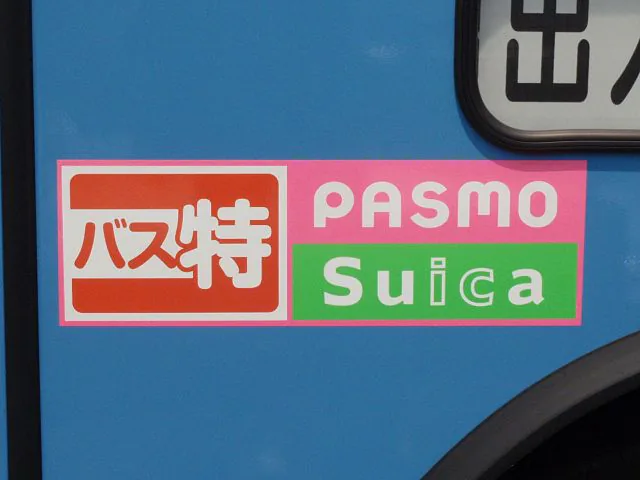
Suica, PASMO, ICOCA, and several regional cards belong to Japan's widely compatible transportation IC system. In ordinary travel, the practical difference is usually where you can obtain and reload the card, not how it behaves at a local ticket gate. A card purchased in one major region can often be used in other compatible regions for everyday local transportation and participating shops.
Choose the option that is easiest for your itinerary. Travelers arriving in Greater Tokyo may look for a Suica, PASMO, or visitor-focused alternative. Travelers beginning around Osaka, Kyoto, or Kobe may find ICOCA more natural. Do not build your route around a particular card name: current sales, visitor products, payment methods, and pickup locations can change.
- Suica is associated with the Tokyo-area JR East network.
- PASMO is associated with Tokyo private railways, subways, and buses.
- ICOCA is associated with the Kansai-area JR West network.
- Compatible cards generally work similarly for day-to-day local travel, but exceptions exist on some operators and routes.
Choose physical or mobile before your arrival day
A physical card is simple: buy it where available, add value, and tap it. It can be the calmer option when you prefer a separate travel card or do not want to troubleshoot phone settings after a long flight. Treat an unregistered physical card like cash: replacement may not be possible if it is lost.
A mobile card in a supported phone wallet can be excellent for travelers who already use their phone for payments. It keeps the card close at hand and may allow balance management without visiting a machine. Device model, wallet region, supported payment cards, and reload rules matter, so test the setup before boarding the flight rather than relying on airport Wi-Fi and a tired arrival-day brain.
Buy it early, then keep a comfortable balance
If you are buying a physical card, check the operator's current visitor and regular-card guidance before travel. At an airport or large station, follow signs for ticket machines, travel service centers, or the relevant railway operator. Read each screen carefully: machines can offer several card types, deposits, initial balance amounts, and language options.
Load enough value for the first few days, but do not treat the card as your full trip budget. In many situations, cash remains the dependable way to add value to a physical card, while mobile reload methods depend on the device and payment setup. Keep enough balance for the final local ride of the day, particularly when you are returning to a hotel outside the center.
Use it for the small movements that shape the day
Tap in once at the beginning of a rail journey and tap out at the end. For buses, watch the local instruction: some systems expect a tap when boarding, others when exiting, and some require both. When using it for shopping, look for the IC-payment mark and tell the cashier that you are paying by IC card if the terminal is not obvious.
The most helpful uses are often the least glamorous: a convenience-store breakfast before an early train, a station locker while you explore before hotel check-in, a quick drink from a vending machine, or a local bus after a long museum visit. Those small taps make a tightly planned day feel much lighter.
- Local trains, subways, and many buses in compatible areas
- Convenience stores and station shops that display the IC-payment mark
- Many vending machines, coin lockers, and selected restaurants or attractions
- Some airport and regional transport, subject to the operator's current rules
What an IC card does not replace
An IC card is not automatically a Shinkansen ticket, a reserved-seat ticket, a sightseeing pass, or a universal payment method. Intercity rail can involve separate base-fare and limited-express arrangements, and the correct process varies by operator, route, reservation method, and station. Use the card for the local portions of the trip, then confirm the exact ticketing process for longer journeys.
For longer routes, compare individual bullet train tickets with the cost and coverage of a JR Pass. Do not assume the pass is cheaper until you have priced the intercity journeys in your actual itinerary.
It also should not be the only payment method you carry. Keep a credit or debit card that works abroad, access to cash, and the confirmations for any reserved trains, hotels, or activities. A card reader can be unavailable, a balance can run low, or a small independent business may accept only cash.
A simple first-day IC card checklist
Set up the card before the first busy transfer if you can. Save the name of your hotel in Japanese, decide how you will reach it from the airport, and keep a little time between landing and anything fixed on the calendar. That gives you room to buy a card, add value, collect a pocket Wi-Fi device or eSIM connection, and learn the station signs without rushing.
Before departure, check the official information for the card or mobile wallet you intend to use. Availability, visitor products, purchase locations, deposits, reload methods, and network exclusions can change. A five-minute check before the trip is more useful than discovering a change while standing at a ticket machine with luggage.
- Choose a physical or mobile option before travel.
- Confirm the current purchase location and payment method.
- Add enough value for your first airport-to-hotel journey and the following morning.
- Keep a second payment method and cash available.
- Check the operator's official rules for regional exceptions and longer-distance travel.
Travel details can change. Confirm current schedules, opening hours, reservation rules, prices, and entry requirements with the relevant official provider before booking or traveling.