Japan Trains and Shinkansen: Types, Tickets, Etiquette, and Smart Planning
A practical first-time guide to riding trains in Japan, from local lines and rapid services to Shinkansen tickets, Green Cars, station flow, and respectful onboard habits.
Affiliate disclosure: Some links in this article may earn Japan Trip Planners a commission at no extra cost to you. Recommendations are included when they are genuinely useful for planning, and you should still compare current prices, terms, and official provider information before booking.
The main Japan train types
Japan's rail network is easier to understand when you separate the train's stopping pattern from the company operating it. A local train stops at every station. A rapid or express service skips some stations, although the exact stopping pattern depends on the line. A limited express usually covers a longer route with fewer stops and requires a separate limited-express surcharge in addition to the basic fare. JR Central's ticket guide explains the basic fare and express-ticket structure.
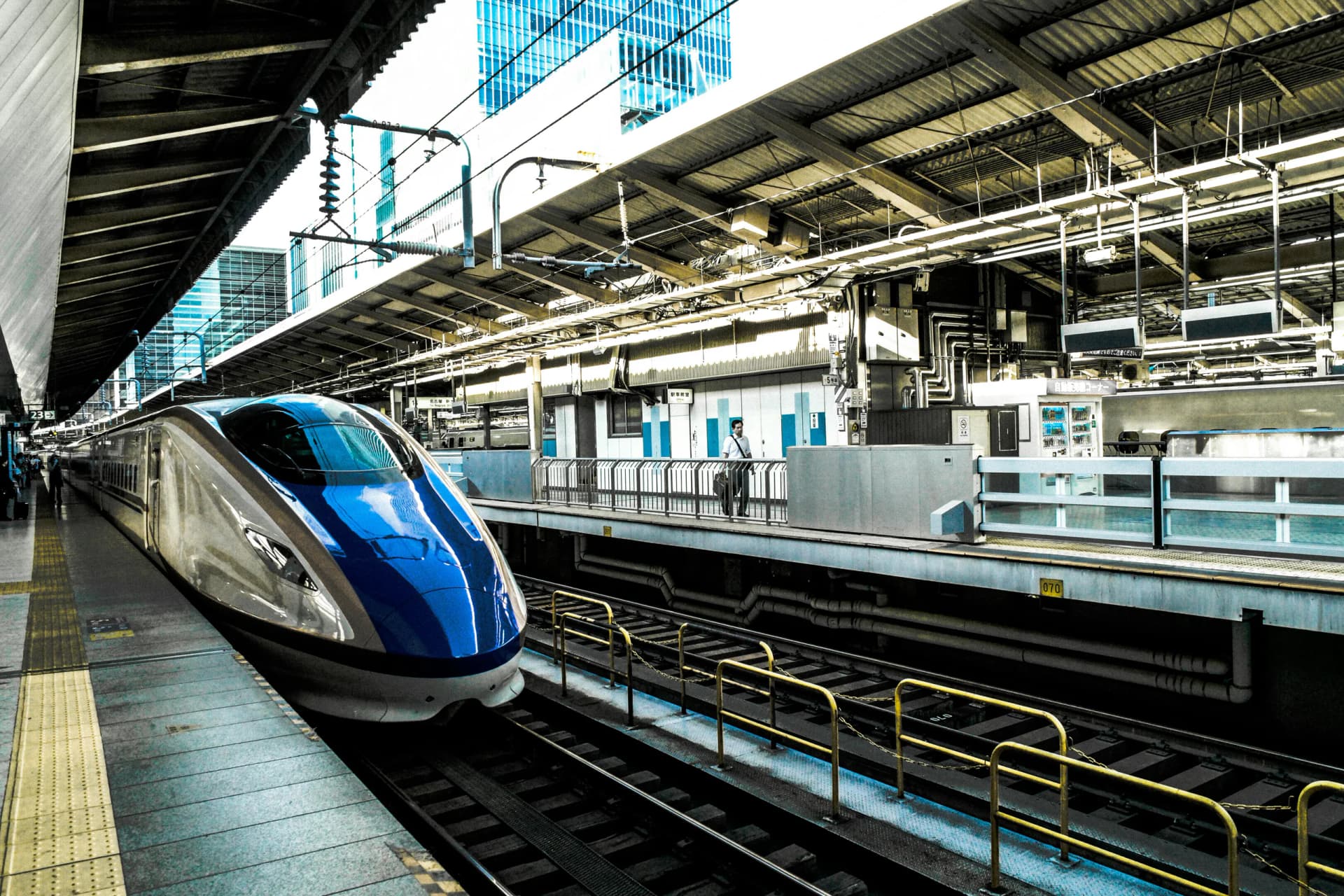
The Shinkansen is Japan's high-speed rail network. It connects major cities and regions with city-center stations, spacious seating, luggage areas, and a much more predictable journey than driving between many destinations. Service names are not interchangeable across the country, so read the corridor and destination on the departure board rather than choosing a train only because the name sounds familiar.
Nozomi, Hikari, Kodama, and other Shinkansen names
On the Tokaido Shinkansen between Tokyo, Nagoya, Kyoto, and Shin-Osaka, Nozomi is generally the fastest service because it makes fewer stops. Hikari stops at additional major stations, and Kodama stops at every station on the route. The best choice depends on your destination, departure time, ticket rules, and whether the extra speed is worth it for your day.
Other corridors use other names. You may see Mizuho and Sakura on the Sanyo and Kyushu Shinkansen, Hayabusa and Yamabiko in the Tohoku area, Komachi for Akita connections, Tsubasa toward Yamagata, Toki and Tanigawa on the Joetsu route, and Kagayaki, Hakutaka, or Asama on the Hokuriku route. These names describe specific services and stopping patterns, not a universal ranking that applies everywhere.
Always check the destination station and the service's stopping pattern before boarding. A train that looks like it is going in the right direction may stop short of your destination or use a different platform for a connecting service.
Ordinary Car, Green Car, and GranClass
Most travelers use Ordinary Car, Japan's standard class. On a Shinkansen, you will usually choose between a reserved seat and a non-reserved seat when both are offered. Ordinary Car is comfortable for most routes, especially when you reserve a seat on a busy travel day and choose the carriage that matches your ticket.
Green Car is the upgraded seating class, with a quieter cabin, more space, and a higher fare. It is not the same thing as buying a general green pass. You need a ticket or rail pass that specifically covers Green Car travel, plus the required basic fare and express components. Review the operator's ticket combinations for Green Car requirements before purchasing. A Green Car can be a pleasant choice for a long journey, a special trip, or travelers who value a calmer cabin, but compare the price with the actual length and frequency of your rides.
GranClass is a higher-end class available on selected Shinkansen services, especially on some JR East routes. It is not available on every train or corridor. Check the exact service and ticket conditions before planning around it.
Women-only cars: what travelers should know
Women-only cars are generally a commuter-rail feature used during specific periods of the day, not a standard feature of the Shinkansen. JR East publishes its line-specific women-only car information, while Tokyo Metro explains its designated cars and passenger exceptions. Platform signs, carriage stickers, and announcements identify when and where the policy applies.
The details vary by operator, line, direction, weekday, and service disruption. Tokyo Metro states that women-only cars can also be used by elementary-school children, passengers with disabilities, and accompanying caregivers. JR East publishes different line-specific arrangements. If you are unsure, follow the platform signage or ask station staff rather than guessing from the train's appearance.
This is not something most visitors need to plan a sightseeing itinerary around. Treat it as a clearly marked commuter courtesy, and remember that the designated car may be suspended or adjusted when train operations are disrupted.
Tickets, reservations, and station gates
For many local trains, an IC card handles the basic fare with a tap at the gate. Shinkansen and limited express travel is different: the trip commonly involves a basic fare plus an express ticket, although the purchase may be combined into one paper ticket or an e-ticket connected to an IC card. Read the ticket instructions and keep every ticket that comes out of the gate until you reach your destination.
Reserve a seat when you are traveling with a group, carrying luggage, using a popular route at a busy time, or protecting a timed reservation at the other end. Non-reserved seating can be useful for flexibility, but the available cars and crowding rules vary by train and season. During certain peak periods, some Nozomi services operate with reserved seats only, so check the current operator notice before relying on a non-reserved ticket.
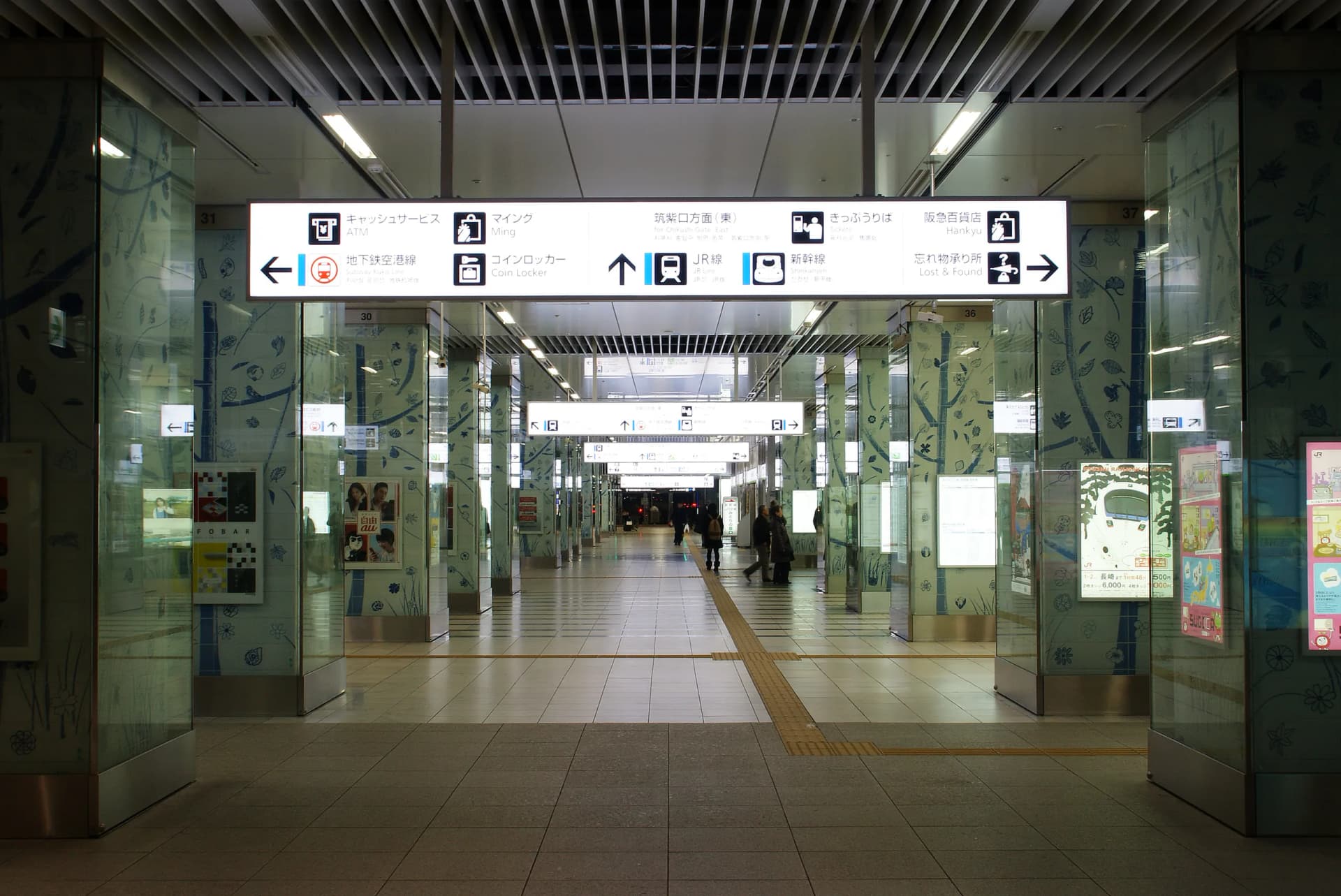
At a large station, arrive early enough to find the correct gate, platform, and car position. Track the train name, destination, departure time, and car number together. The fastest route on a journey planner is not always the easiest route when you have luggage or a tight connection.
- Confirm whether you need a basic fare, limited-express or Shinkansen ticket, and seat reservation.
- Keep tickets until the final exit gate, even if the gate processes more than one ticket together.
- Check the platform, train name, destination, departure time, and car number before boarding.
- Leave extra time at Tokyo, Shinagawa, Shin-Osaka, Kyoto, Hakata, and other large interchange stations.
Luggage, seats, and realistic Shinkansen planning
Large bags can change the best train plan. On the Tokaido, Sanyo, and Kyushu Shinkansen, oversized baggage may require a seat with a designated storage area and an advance reservation. Check the current oversized-baggage guidance before the travel day, especially when moving between cities with a large suitcase.
Choose a seat that supports the whole day, not only the train ride. Window seats offer scenery and a place to lean, aisle seats make movement easier, and the first or last rows can have different luggage or legroom arrangements. If Mount Fuji views matter on a Tokaido Shinkansen journey, the best side depends on the direction of travel and visibility is never guaranteed.
Build the train into the itinerary as a real event. Add time to reach the departure station, find the platform, buy food, load luggage, and travel from the arrival station to the hotel. A two-hour Shinkansen ride is not the same as a two-hour door-to-door transfer.
Train etiquette that makes the ride smoother
Japan's trains are shared spaces, and small courtesies matter. Let passengers exit before boarding, queue where marked, keep the doorway clear, and move into the carriage instead of stopping at the entrance. During rush hour, follow station staff directions even when the platform feels crowded or the boarding position is different from what you expected.
Keep phones on silent and avoid voice calls. Quiet browsing and messaging are generally fine, but use headphones at a considerate volume and do not play videos aloud. On a Shinkansen, eating a station bento or drinking a quiet beverage is a normal part of the journey; on a packed commuter train, keep food and strong aromas to a minimum and follow the atmosphere of the carriage.
Store bags so they do not block seats, aisles, doors, or priority seating. Take backpacks off in crowded cars, do not spread across multiple seats, and give up a seat when someone who needs it more is nearby. Ask before taking photos of people, staff, or a crowded platform, and never cross a safety line to get a better train picture.
Build train days that work in the real world
Use trains to create a route, not to collect destinations. Place nearby activities together, protect the departure and arrival buffers, and avoid putting a fixed reservation immediately after a long transfer. If a day includes a hotel change, treat checkout, luggage handling, station access, and check-in as part of the movement plan.
For a multi-city trip, compare individual tickets with a regional pass only after the route is drafted. Our regional rail pass guide compares passes for Tokyo, eastern Japan, Kansai, western Japan, Kyushu, Shikoku, and Kagawa. The right purchase is the one that matches your actual trains, not the one with the longest name or widest-looking map.
Travel details can change. Confirm current schedules, opening hours, reservation rules, prices, and entry requirements with the relevant official provider before booking or traveling.