
Things to Do in Kyoto: Temples, Districts, and a Better Route
Kyoto rewards slower, area-based days. Give the city enough room for early temple visits, quiet streets, seasonal weather, buses, hills, and the small places that turn a checklist into a real experience.
Build the route around the place, not just the pin.
Kyoto works best when you resist the urge to scatter famous temples across the same day. The city is more rewarding when you group places by corridor, start early for the most popular areas, and leave enough margin for steep streets, bus traffic, weather, and a genuinely slow meal or garden pause.
A first visit usually needs at least two full Kyoto days. Add a third for Arashiyama, a quieter northern or eastern route, Uji, Nara, or a day that simply lets you return to the part of Kyoto you loved most.
Things to Do in Kyoto for a well-paced trip.
South and east
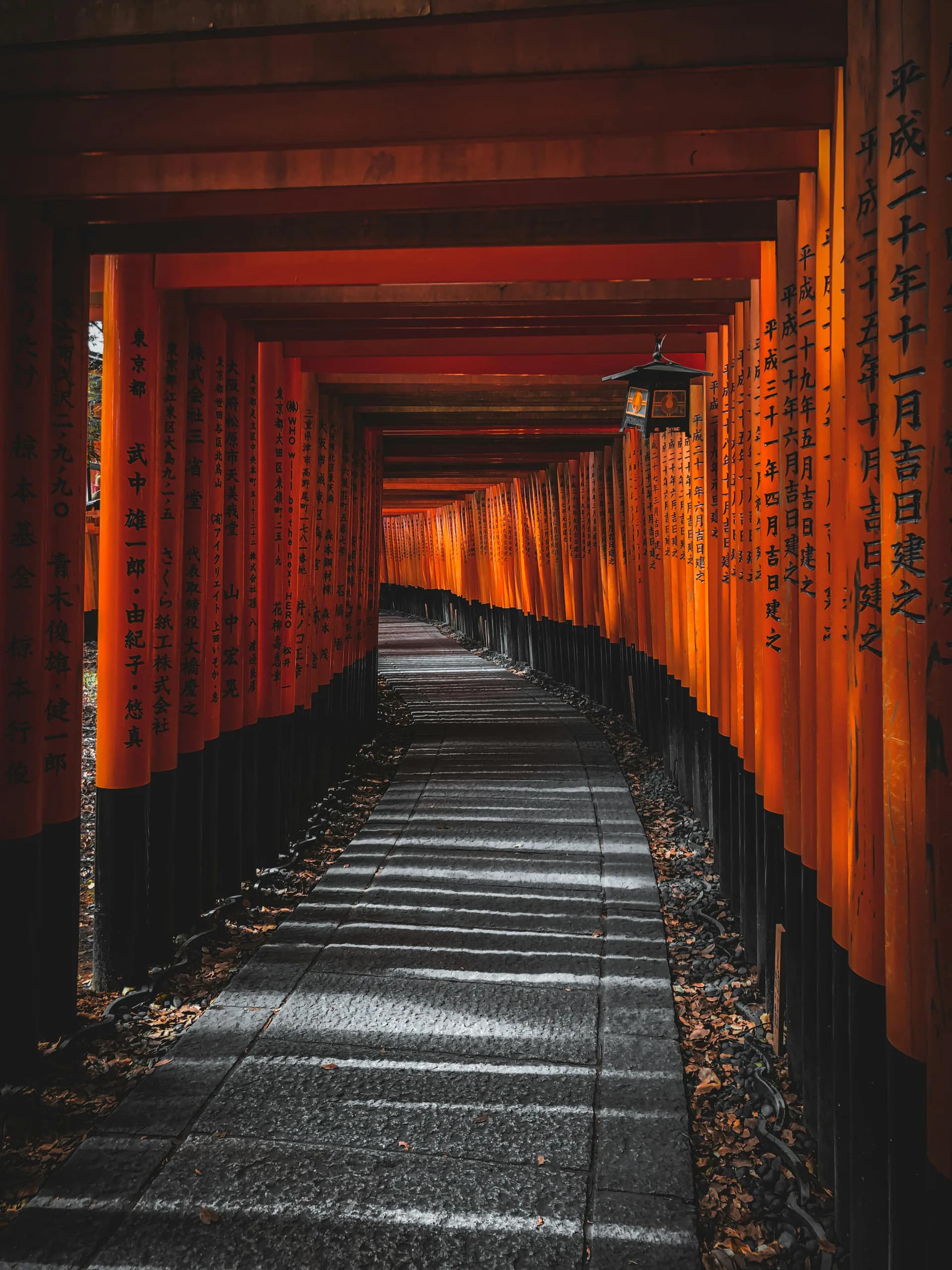
Fushimi Inari and southern Kyoto
Go early for the torii-gate mountain trail, then pair it with nearby sake district streets, a relaxed lunch, or a short transit to the Higashiyama side only if the day still has room.
Eastern Kyoto
Kiyomizu-dera, Gion, and Higashiyama
This historic corridor is ideal for a morning temple visit followed by preserved lanes, small shops, Yasaka Shrine, and a late-afternoon or evening walk through Gion.
Western Kyoto
Arashiyama and the western edge
Give Arashiyama its own early start for the bamboo grove, river views, temple gardens, and Monkey Park if it fits your pace. It is not a quick stop to wedge between central Kyoto reservations.
North and center
Northern Kyoto and slower museums
Kinkaku-ji, Ginkaku-ji, the Philosopher's Walk, gardens, and craft stops can form a quieter counterweight to the city's busiest districts.
Interactive Map of Japan
Explore the route before you commit it to a day.
Use the public map to explore the locations, transport context, and nearby places that can help a day feel connected.
- Fushimi Inari Taisha
- Kiyomizu-dera and Gion
- Arashiyama
- Kinkaku-ji
- Ginkaku-ji and the Philosopher's Walk
Planning decisions that protect the trip.
Start popular temple areas early
Morning starts protect both your photos and your energy. Arriving early at Fushimi Inari, Kiyomizu-dera, or Arashiyama leaves more space for the rest of the day and reduces the pressure to rush.
Treat bus time as real time
Kyoto buses are useful but can be crowded and slow at popular hours. When two areas are close, walking can be simpler. When they are not, use a realistic transit block rather than relying on a tight connection.
Build in a weather alternative
Kyoto is beautiful in rain and heat, but hills, cobbled lanes, and long outdoor temple routes feel different in difficult weather. Keep one museum, shopping street, tea break, or flexible neighborhood option ready.
Go deeper with a guide.
Keep the practical details close.
Answers before you book.
How many days do I need in Kyoto?
Three full days is a strong first visit. Four or five nights gives you room for slower districts, a nearby day trip, or weather flexibility.
Can I do Kyoto and Osaka in one day?
You can travel between them quickly, but each deserves more than a rushed half-day. Use separate full days when possible and enjoy the evening character of Osaka after Kyoto's temple-focused days.
What is the best area to stay in Kyoto?
Kyoto Station is practical for arrival, departure, and day trips. Kawaramachi and Gion are more central for evenings and east-side sightseeing. The best choice depends on your train days and preferred pace.