
Things to Do Near Mount Fuji and Hakone: A Practical Planning Guide
Mount Fuji and Hakone are not interchangeable checkboxes. One is about iconic Fuji views and lake-side routes; the other is about a slower hot-spring escape. Choose the version that fits your trip and the weather.
Build the route around the place, not just the pin.
A Mount Fuji or Hakone stop is most successful as an overnight, not a hurried day trip added between Tokyo and Kyoto. Both require real transfer time, and both depend on weather. The benefit of staying overnight is not only a better view; it is the ability to make a calm plan that does not collapse when clouds, train timing, or luggage slow you down.
Choose the Mount Fuji side when lake views, Fujiyoshida, Kawaguchiko, amusement parks, and a direct Fuji-focused route matter most. Choose Hakone when you want a ryokan, hot springs, art museums, volcanic scenery, and a softer transition between Tokyo and Kansai.
Things to Do Near Mount Fuji and Hakone for a well-paced trip.
Yamanashi
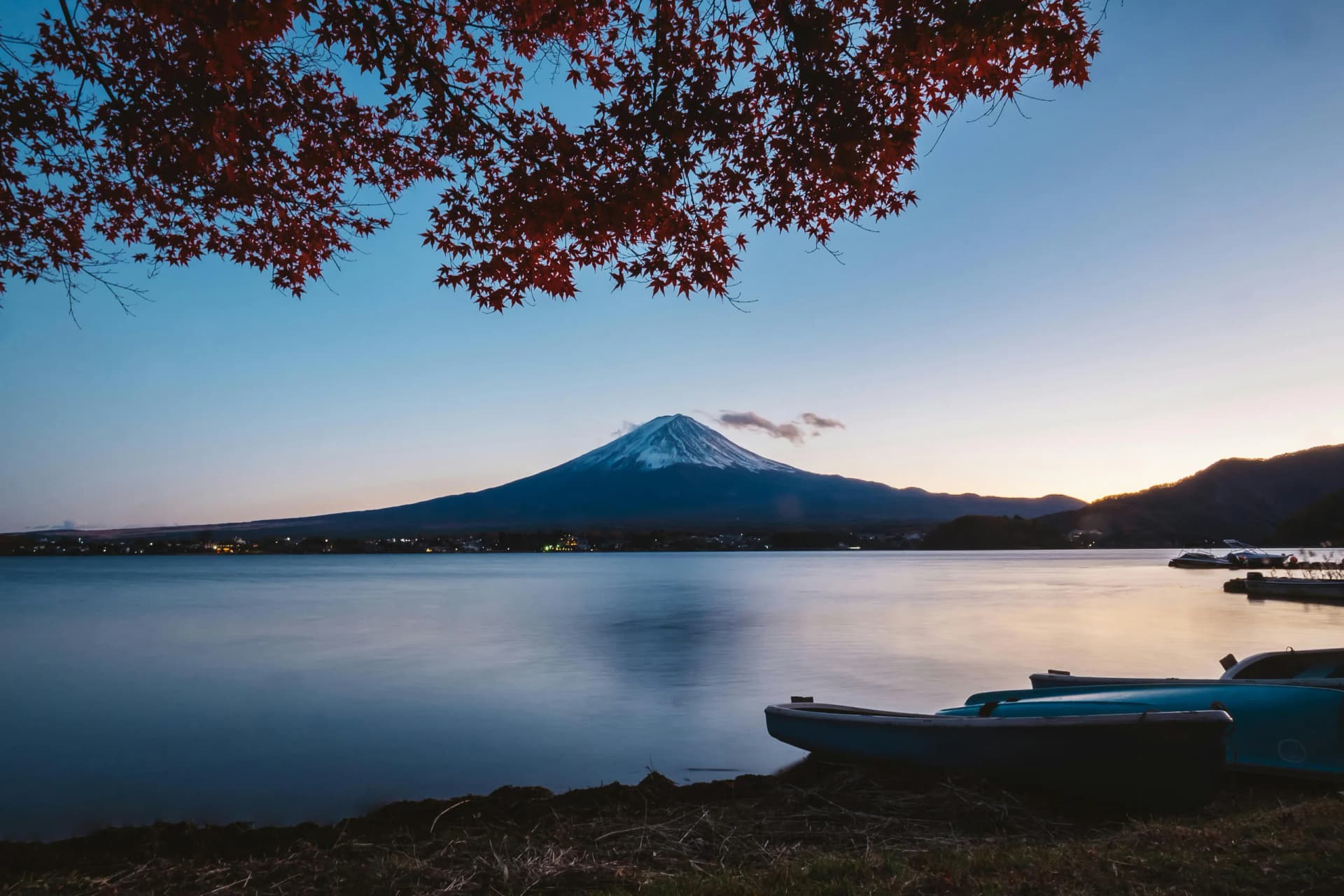
Kawaguchiko and Fujiyoshida
Lake views, Chureito Pagoda-area scenery, ropeway viewpoints, and day-by-day Fuji conditions make this side a natural choice for travelers who want the mountain as the main event.
Kanagawa
Hakone's classic circuit
Hakone can combine a train or cable car, lake cruise, ropeway, volcanic landscape, museums, and a ryokan night. Treat the route as a slow day rather than a collection of five-minute transfers.
Your hotel base
A ryokan evening
A good ryokan stay gives the route breathing room. Check in with time to enjoy the room, onsen, dinner, and surrounding area instead of arriving just before bed after trying to see every viewpoint.
Everywhere
Weather as part of the itinerary
Fuji visibility changes quickly. Keep a flexible photo window and make sure the trip still feels worthwhile for gardens, museums, food, onsen, or local walks when the mountain is hidden.
Interactive Map of Japan
Explore the route before you commit it to a day.
Use the public map to explore the locations, transport context, and nearby places that can help a day feel connected.
- Mount Fuji
- Lake Kawaguchiko
- Fujiyoshida
- Hakone and Lake Ashi
- Fuji viewpoints and hot springs
Planning decisions that protect the trip.
Do not plan Fuji as a guaranteed photo
Clear views are a gift, not a booking condition. Pick a route that remains enjoyable in cloud, rain, or wind, and check conditions shortly before travel.
Protect the Tokyo-to-Kyoto move
An overnight works best when it fits a logical route. Account for hotel checkout, luggage, local transfers, and the next intercity train rather than treating the stop as a zero-time detour.
Book the stay you actually want
A beautiful ryokan outside the transport corridor can create a difficult arrival and departure. Check the last useful bus or station transfer before committing to a hotel far from the route.
Go deeper with a guide.
Keep the practical details close.
Answers before you book.
Should I visit Mount Fuji or Hakone?
Choose the Mount Fuji side for classic mountain and lake views. Choose Hakone for a ryokan, onsen, museums, and a slower resort-style stay. Both are strongest as an overnight.
Can I see Mount Fuji on a rainy day?
Visibility is never guaranteed in rain or cloud. Build a route that still has worthwhile indoor, hot-spring, food, garden, or local options if the mountain stays hidden.
How long should I stay in Hakone or the Mount Fuji area?
One night is a strong first choice. It lets you arrive without rushing, enjoy the setting, and travel onward the next day with a realistic pace.