

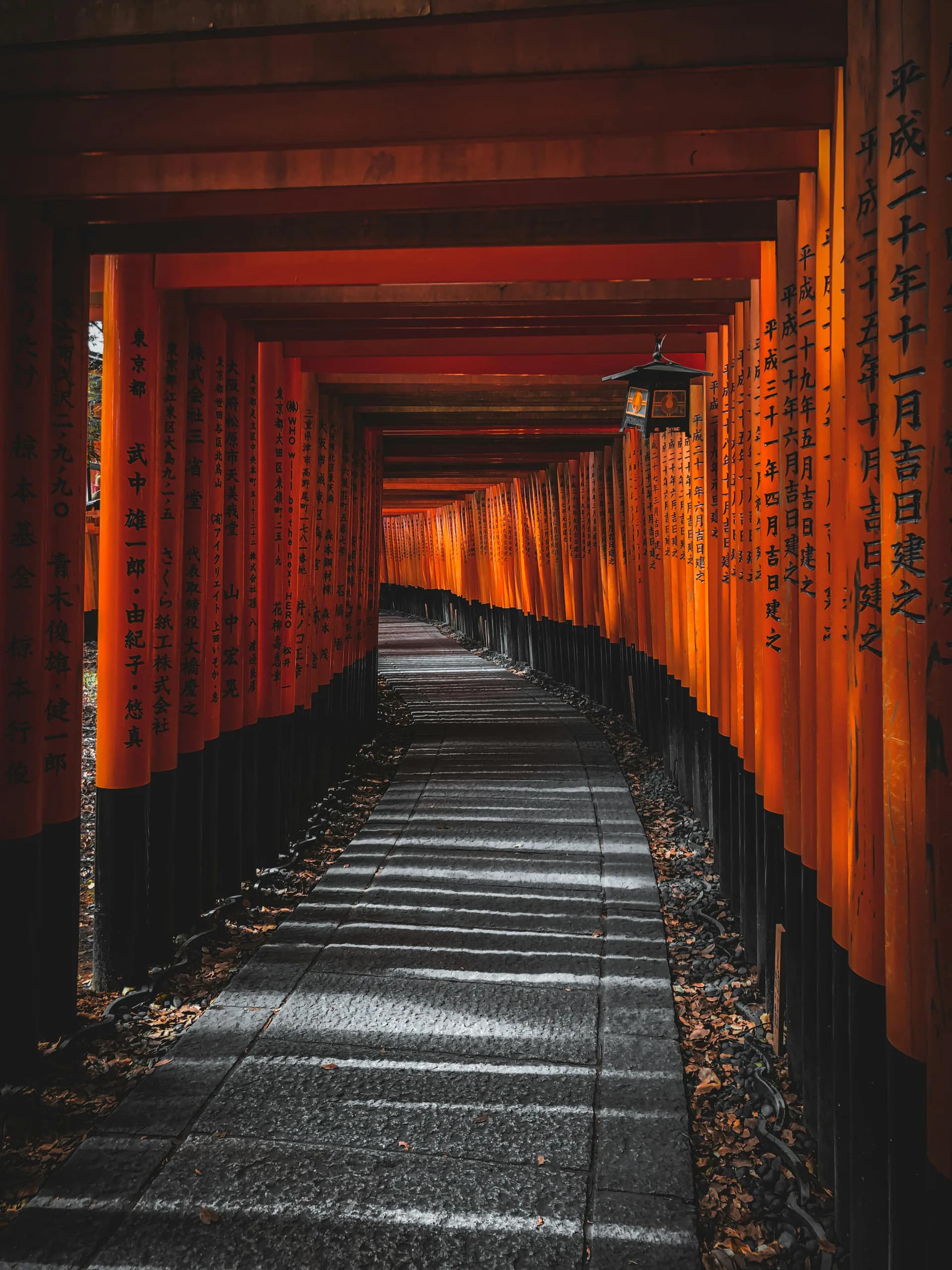
Kyoto and Osaka Pacing Mistakes That Make a Kansai Trip Feel Rushed
Avoid the route choices that turn Kyoto and Osaka into a blur of transfers, queues, and late arrivals.
Affiliate disclosure: Some links in this article may earn Japan Trip Planners a commission at no extra cost to you. Recommendations are included when they are genuinely useful for planning, and you should still compare current prices, terms, and official provider information before booking.
Kyoto is more spread out than it appears
Kyoto's best-known places are distributed across different sides of the city, and local transportation is not always a single direct train. Planning Fushimi Inari, Arashiyama, Kinkaku-ji, and eastern Higashiyama as one quick circuit creates unnecessary backtracking.
Build neighborhood days instead. Pair places that share a transportation corridor, then leave room to walk between smaller temples, shops, gardens, and cafes. Kyoto often rewards the time between headline attractions as much as the attractions themselves.
Protect the early mornings that matter
Popular outdoor areas can feel dramatically different earlier in the day. Use early starts selectively for the experiences where atmosphere matters most, then schedule a slower evening or later start afterward. Making every day an early day usually creates fatigue rather than better sightseeing.
Check official opening information for ticketed sites. Outdoor paths and shrine grounds may operate differently from museums, gardens, shops, or inner buildings in the same area.
Give Osaka its own identity
Osaka is more than a place to sleep after Kyoto. Its appeal often comes from food, lively streets, markets, entertainment, and a looser evening rhythm. A good Osaka day should feel intentionally different from a Kyoto temple day.
Choose a few areas that support that purpose rather than repeating the same style of attraction. If nightlife and late meals matter, staying in Osaka can be valuable. If most planned mornings are in Kyoto, moving hotels may add more friction than it removes.
Treat Nara, Kobe, and Himeji as full decisions
Kansai offers tempting day trips, but each additional destination competes with time in Kyoto and Osaka. Select day trips because they match a strong interest, not simply because a train route exists.
Count transportation to and from your hotel, station navigation, meals, and the return trip. A day trip with one central goal usually feels better than attempting several cities because they appear close on a regional map.
Use contrast to create a better rhythm
Alternate dense sightseeing with lighter exploration. A temple-heavy morning can lead into a quiet neighborhood walk. A long day trip can be followed by an Osaka evening with fewer fixed plans. Contrast helps each place retain its character.
Before travel, verify current opening hours, reservation rules, and transportation with official sources. Seasonal crowding and temporary closures can change the best order even when the overall route remains sound.
Travel details can change. Confirm current schedules, opening hours, reservation rules, prices, and entry requirements with the relevant official provider before booking or traveling.
Related Japan Planning Articles
Trip Planning · Travel Tips · Tokyo · Kansai
First Time in Japan Itinerary: A Realistic 7, 10, or 14-Day Route
Travel Tips · Trip Planning · Kansai
JR West Kansai Area Pass vs. Kansai Railway Pass Lite: Which One Should You Buy?
Budget Travel · Travel Tips · Trip Planning