
Things to Do in Tokyo: A Practical Map and Planning Guide
Tokyo becomes much easier when you plan by neighborhood. Pair a few high-priority stops with room for the streets, food, shops, gardens, and late-night energy that make the city memorable.
Build the route around the place, not just the pin.
Tokyo can feel enormous on a first visit, but it is surprisingly manageable when each day has a clear geographic shape. The best Tokyo itineraries do not race from one famous name to another. They combine one or two priorities with the neighborhoods around them, then leave room for food, station navigation, shopping, weather, and the good surprises that happen between bookings.
Use east Tokyo for Asakusa, Ueno, Akihabara, Ginza, and Tokyo Station. Use west Tokyo for Shibuya, Harajuku, Shinjuku, and Yoyogi. Toyosu and Odaiba deserve their own waterfront-focused block. That simple structure saves more time than trying to find the perfect citywide order for every attraction.
Things to Do in Tokyo for a well-paced trip.
East Tokyo
Asakusa, Ueno, and Akihabara
Start with Senso-ji and the older streets around Asakusa, then move toward museums, markets, or Ueno Park. Akihabara works naturally as a separate afternoon or evening for games, anime, electronics, and cafes.
West Tokyo
Shibuya, Harajuku, and Shinjuku
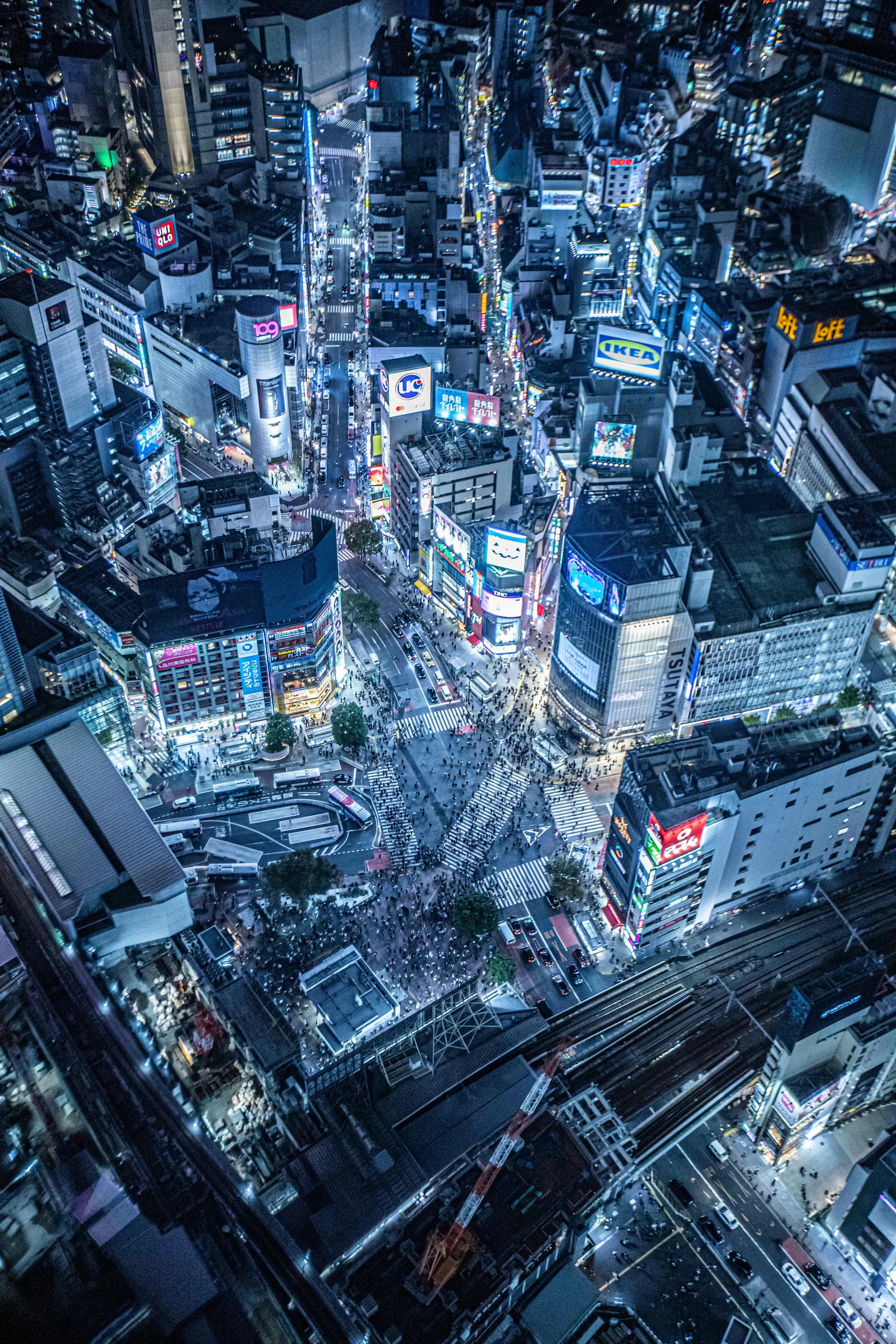
Build a lively city day around Shibuya Crossing, shopping, Meiji Jingu or nearby green space, and a Shinjuku evening. Avoid treating every district as a quick photo stop; each one can comfortably fill several hours.
Tokyo Bay
Toyosu and Odaiba
Use the bay area for a timed digital-art visit, waterfront walks, museums, malls, and evening skyline views. It makes more sense as one connected day than as a detour between central Tokyo attractions.
Beyond the center
One optional day trip
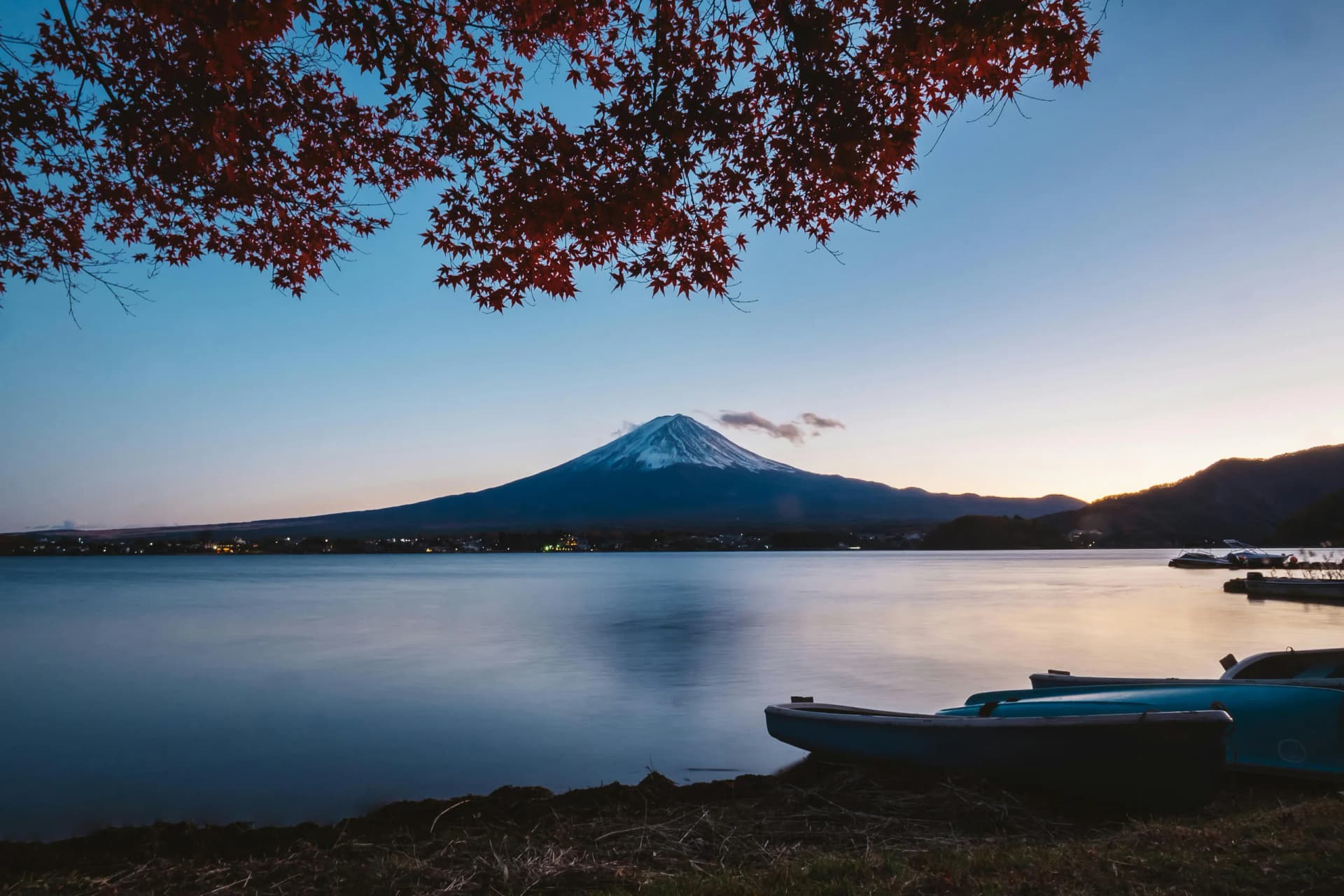
Nikko, Kamakura, Yokohama, Kawagoe, and the Mount Fuji area all reward different interests. Choose one rather than trying to add every famous trip around Tokyo to a short stay.
Interactive Map of Japan
Explore the route before you commit it to a day.
Use the public map to explore the locations, transport context, and nearby places that can help a day feel connected.
- Shibuya and Shinjuku
- Senso-ji and Asakusa
- Tokyo Tower and Tokyo Skytree
- Toyosu and Odaiba
- Tokyo day trips
Planning decisions that protect the trip.
Choose a base that protects your first and last day
Shinjuku is convenient for lively evenings and many rail connections. Ueno suits east-side exploration and some airport routes. Tokyo Station and Ginza are polished, central choices. Pick a hotel near the parts of the city you will use most, not simply the lowest nightly rate.
Use an IC card for local movement
Tokyo is built around frequent short rides. An IC card makes local trains, subways, buses, lockers, and many small purchases easier than buying a separate ticket for every ride. Keep enough time for station exits and platform changes, not only the train estimate.
Reserve only what deserves a fixed time
Timed observation decks, digital art, popular restaurants, and special exhibits can anchor a day. Once a booking is set, place nearby flexible stops around it rather than creating a brittle hour-by-hour plan across the city.
Go deeper with a guide.
Keep the practical details close.
Answers before you book.
How many days should I spend in Tokyo?
Four to five nights gives most first-time visitors room for distinct east and west Tokyo days plus one flexible day or day trip. A shorter stay can still work when you choose only two or three areas.
Is Tokyo easy to explore without a car?
Yes. Trains, subways, buses, and walking handle most visitor routes far better than a rental car. A car is usually only useful for a specific out-of-city day trip.
What is the best way to plan a Tokyo day?
Choose one area, add one timed anchor if needed, then fill the nearby hours with flexible places. This avoids spending a large share of the day crossing the city.