
Tokyo Neighborhoods for First-Time Visitors: Choose the Right Base
Choose a Tokyo hotel area based on transportation, evenings, atmosphere, and the places already on your itinerary.
Affiliate disclosure: Some links in this article may earn Japan Trip Planners a commission at no extra cost to you. Recommendations are included when they are genuinely useful for planning, and you should still compare current prices, terms, and official provider information before booking.
Choose a neighborhood for your route, not its reputation
Tokyo does not have one universally best place to stay. A neighborhood that is convenient for nightlife may be less convenient for an early departure in another direction. Start by marking the areas you expect to visit, then look for a base that reduces repeated cross-city travel.
Also consider what you want outside sightseeing hours. Some travelers want restaurants and bright streets immediately outside the hotel. Others prefer a calmer evening, a simple station, or a neighborhood that feels residential after dark.
Shinjuku and Shibuya for energy and connections
Shinjuku works well for travelers who want major rail connections, late dining, shopping, and quick access to western Tokyo. The station is enormous, so a hotel described as being near Shinjuku can still require a substantial walk. Check the exact exit and route before booking.
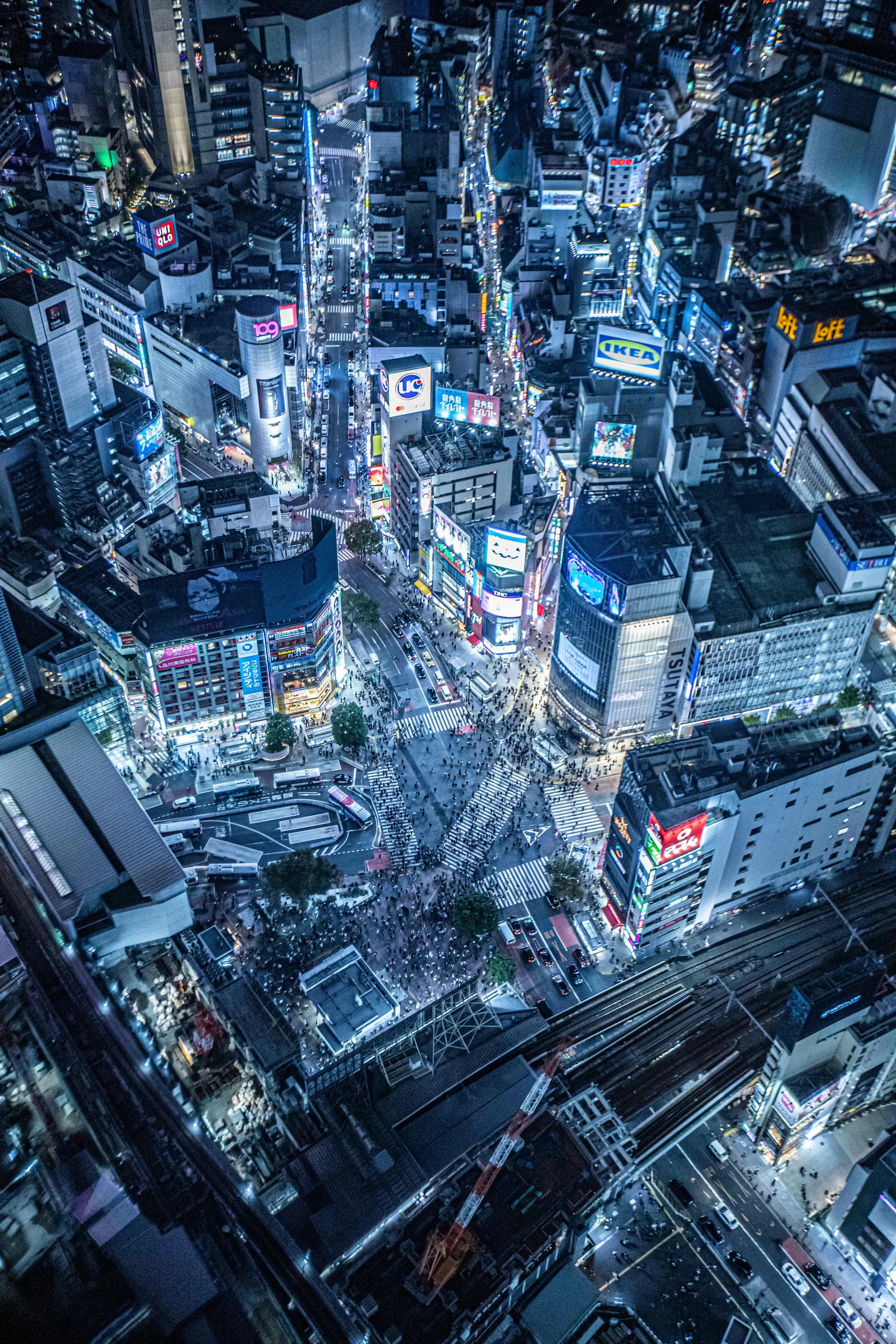
Shibuya offers a similarly energetic base with a younger, design-forward atmosphere and convenient access to areas such as Harajuku and Omotesando. Both neighborhoods stay active late, which can be an advantage or a drawback depending on the street and hotel.
Asakusa and Ueno for eastern Tokyo
Asakusa places travelers near Senso-ji and older streets, especially rewarding in the morning before day visitors arrive. It can feel calmer at night than the largest western hubs. Transportation is useful, but some routes may require more transfers than a central rail hub.
Ueno combines museums, park access, traditional shopping streets, and strong rail connections. It can be a practical compromise for travelers who want eastern Tokyo character with easier onward transportation.
Ginza and Tokyo Station for a polished central base
Ginza suits travelers who value polished shopping streets, restaurants, and a central location. The area can work especially well for couples or travelers who prefer a quieter, more refined evening than the largest entertainment districts.
The Tokyo Station area is highly practical for intercity travel and day trips. It is not the right atmosphere for everyone, but reducing friction on an early Shinkansen morning can be worth more than being close to a famous nightlife district.
Check the hotel location at street level
Before booking, study the walk from the station entrance you are most likely to use. Look for stairs, pedestrian bridges, complicated crossings, and whether the route still feels comfortable with luggage. A short distance on a booking map can feel very different inside a large station complex.
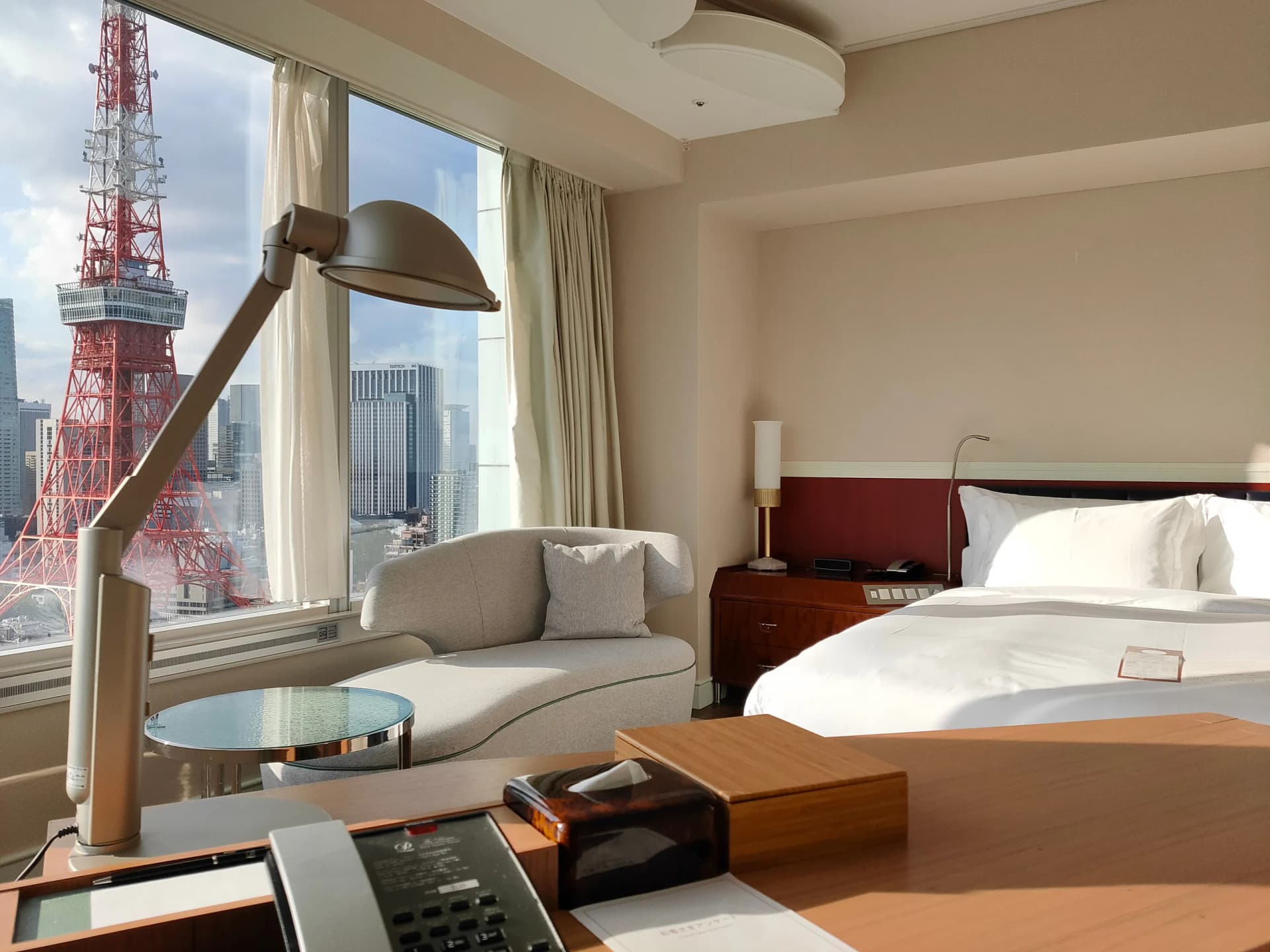
Confirm the room size, bed arrangement, luggage policy, check-in hours, and access to a convenience store or breakfast. The neighborhood matters, but the final block around the hotel shapes every morning and evening of the stay.
A broad Tokyo hotel search can help compare several neighborhoods at once, but verify the exact property location, room details, taxes, and current cancellation terms before booking.
Travel details can change. Confirm current schedules, opening hours, reservation rules, prices, and entry requirements with the relevant official provider before booking or traveling.