

 01
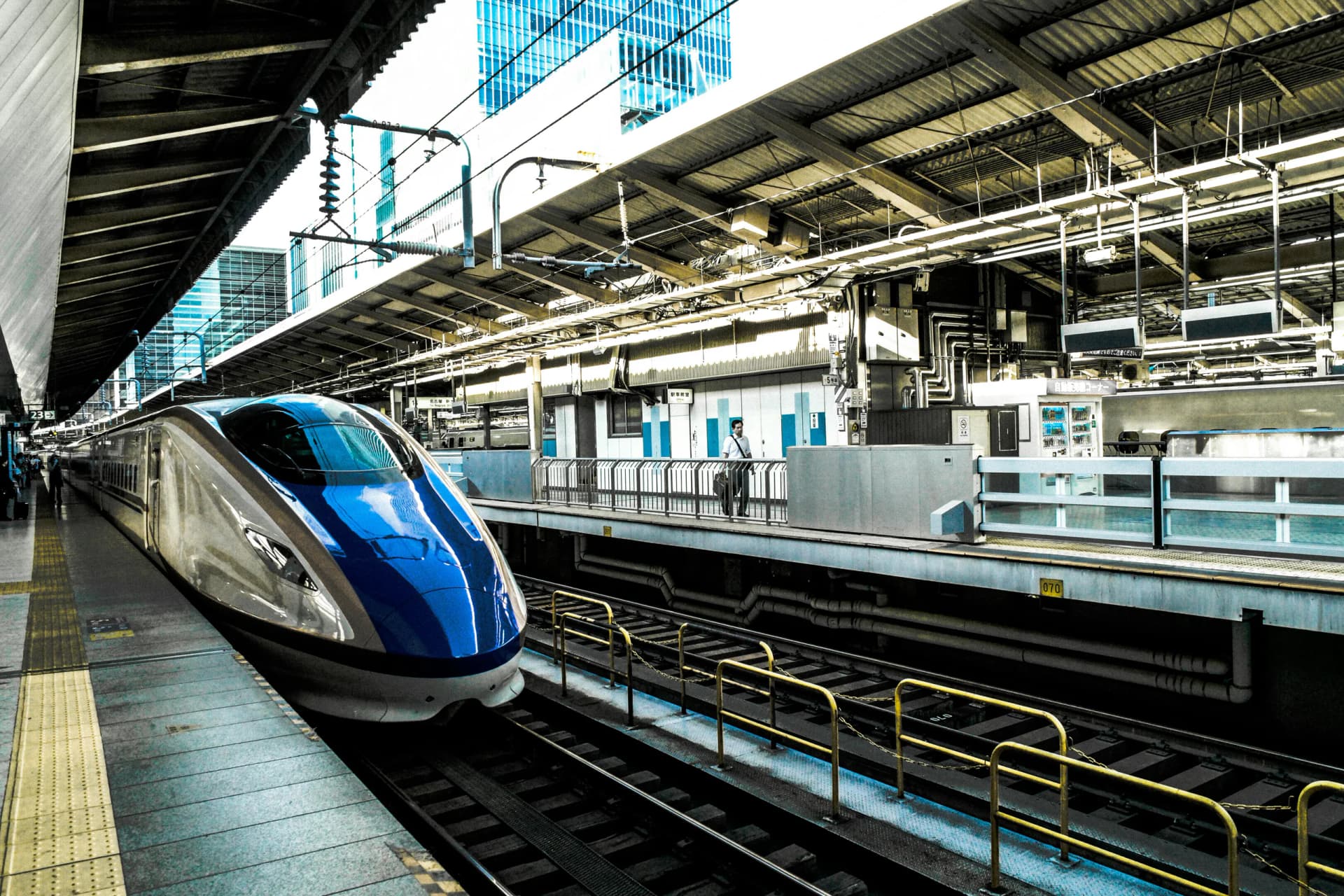
01Trains and Shinkansen
Understand major train types, station flow, luggage considerations, and when high-speed rail makes sense.
Read the trains and Shinkansen guide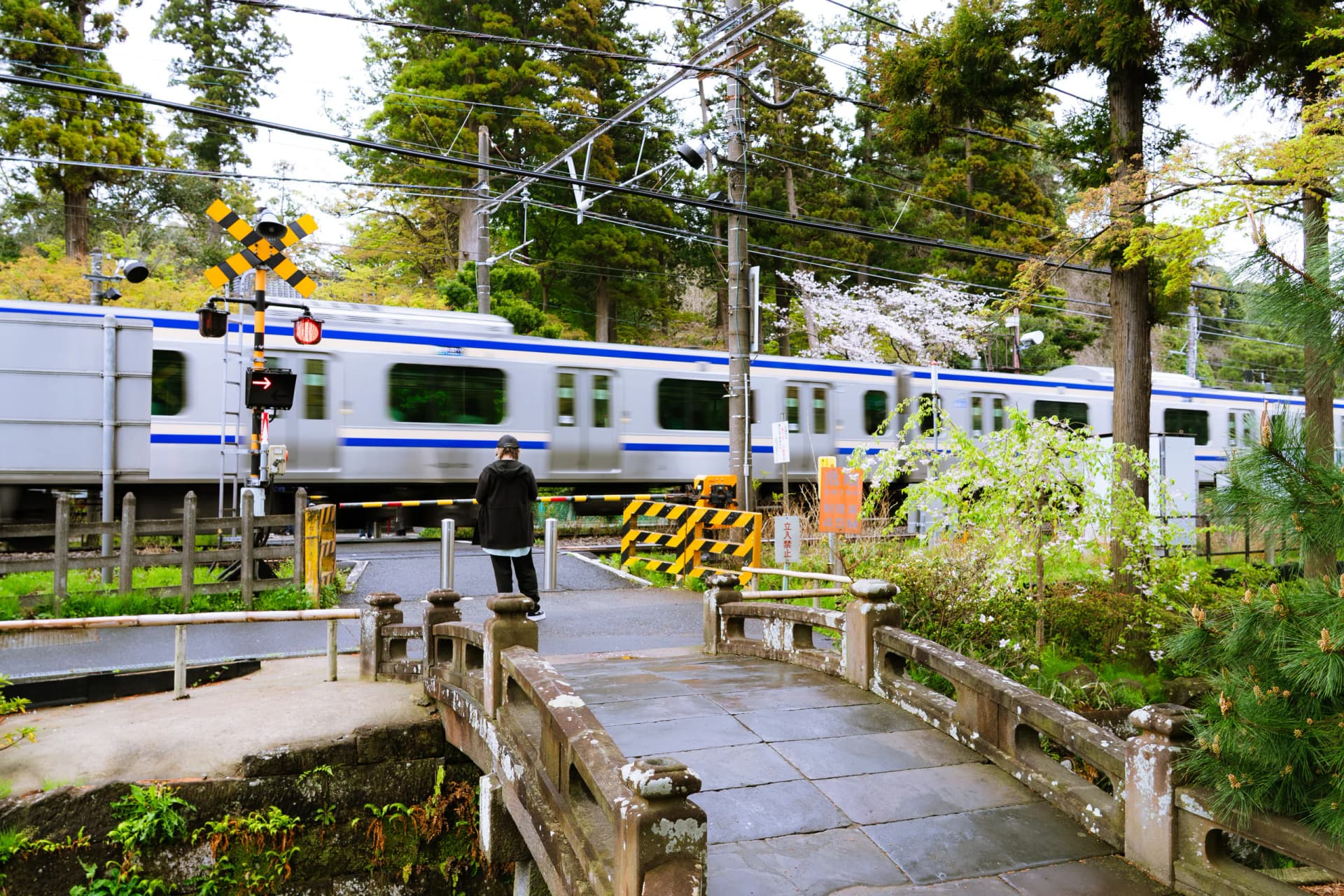
Understand the choices that shape a smoother trip, from airport transfers and IC cards to Shinkansen journeys, local transport, luggage, and realistic daily timing.
Use these foundations to make transport choices that fit your route instead of forcing your route around a single pass or booking.
01Understand major train types, station flow, luggage considerations, and when high-speed rail makes sense.
Read the trains and Shinkansen guide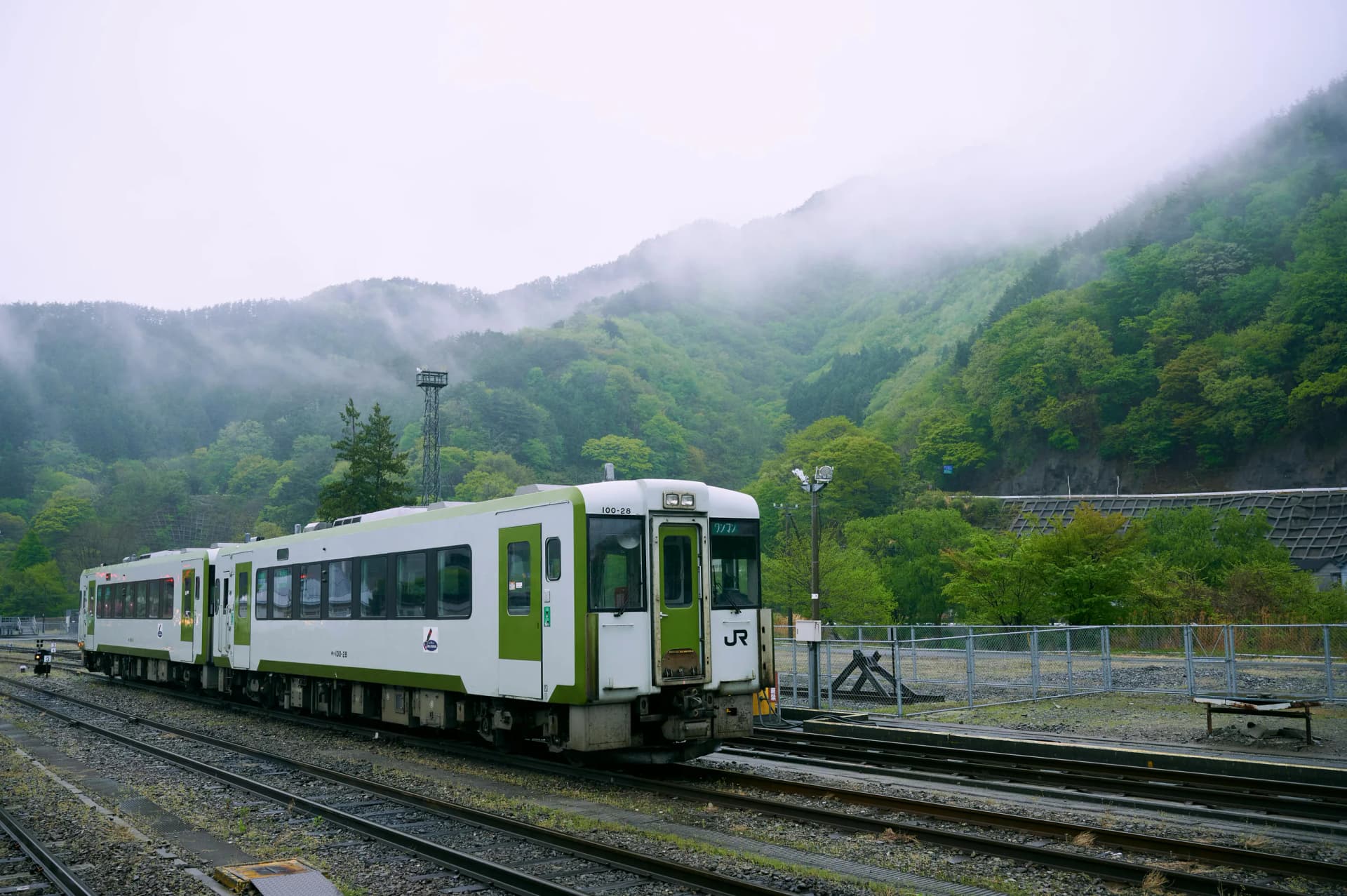 02
02Learn what it covers, when it can save money, and how delivery, exchange, activation, and reservations work.
Read the nationwide JR Pass guide 03
03Learn how IC cards help with local trains, buses, convenience stores, lockers, and small purchases.
Read the IC cards guide 04
04Prepare for Narita, Haneda, Kansai, and regional arrival choices before you land.
Read the airport transfer guide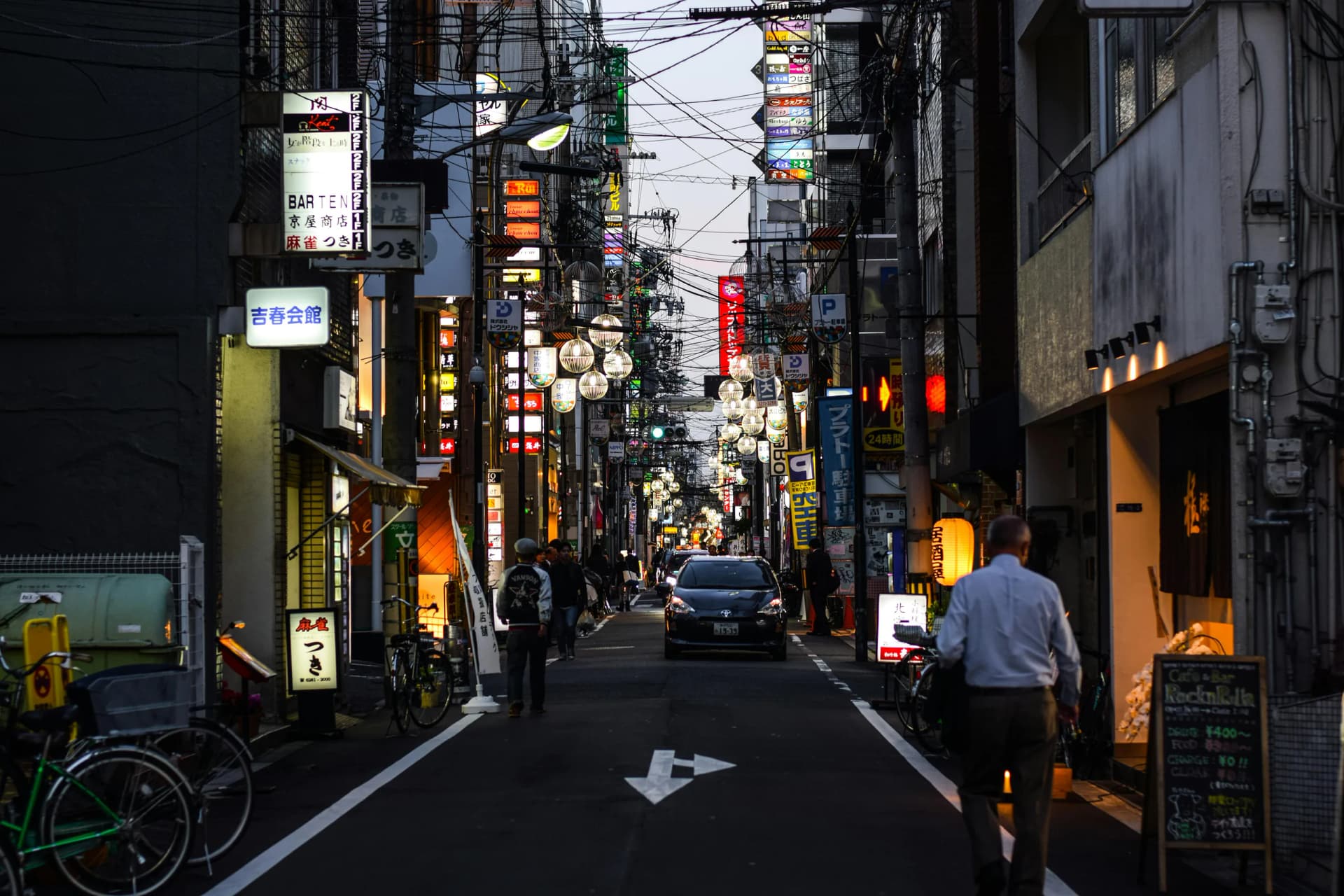 05
05Plan for subways, buses, taxis, walking routes, luggage transfers, and daily movement.
Read the local transportation guide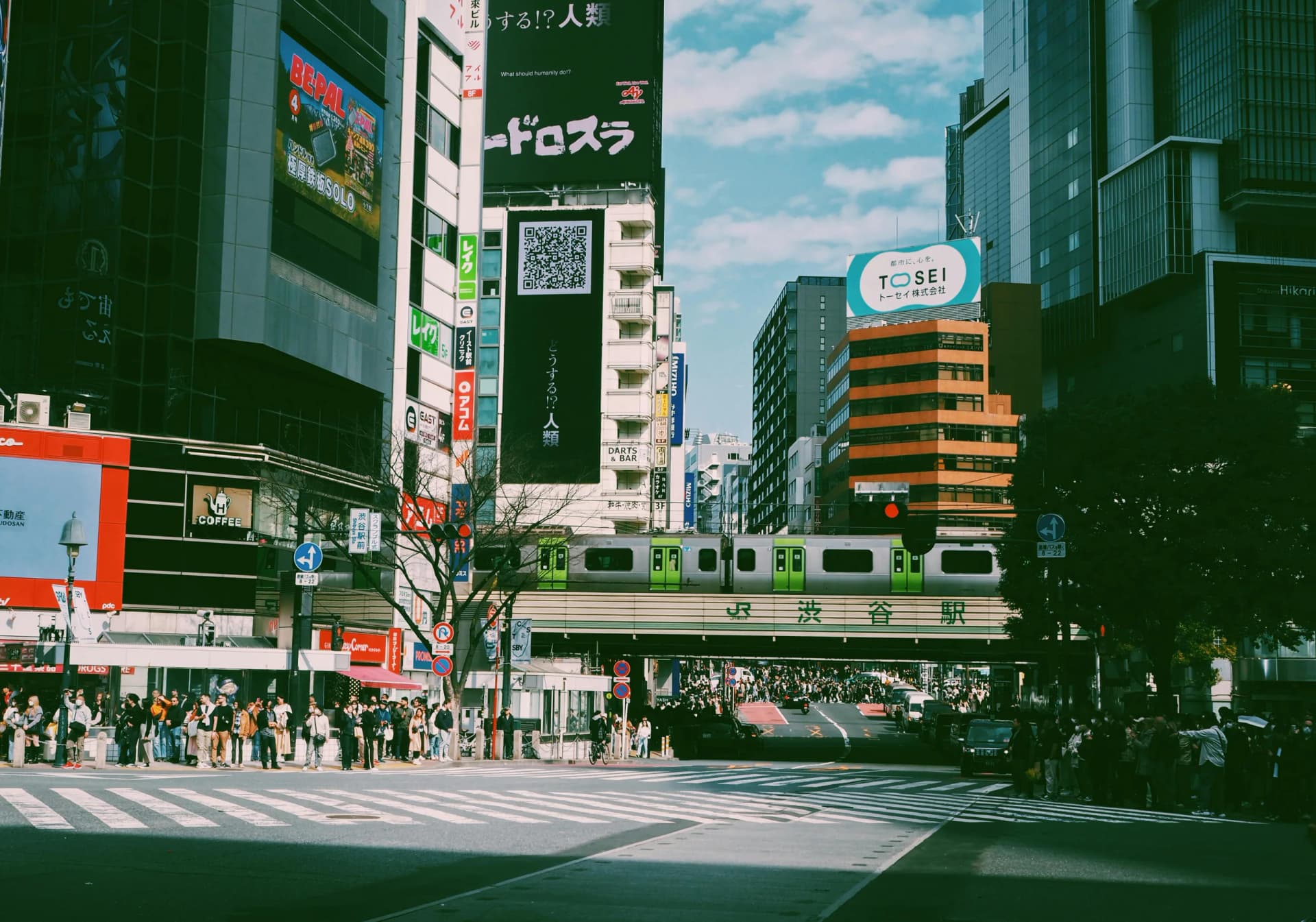 06
06Compare pass value carefully instead of assuming every traveler needs the same pass.
Read the regional rail pass guide 07
07Prepare for money, packing, reservations, etiquette, connectivity, and common arrival questions.
Read the logistics guide 08
08Compare JR West and private-railway coverage before choosing a pass for Kyoto, Osaka, Nara, Kobe, and Kansai Airport.
Compare Kansai rail passesJapan rail overview
Explore the major high-speed rail corridors that make Japan's most popular city combinations work.
Route cost check
Add the intercity journeys you expect to take, then compare individual tickets with the national pass in an Ordinary or Green Car.
Journey 1
Typical one-way estimate: ¥14,170 ordinary · ¥19,040 Green Car
Journey 2
Typical one-way estimate: ¥2,910 ordinary · ¥4,650 Green Car
Make the big movement decisions first. The smaller daily choices become much easier once the route has a realistic structure.
Step 01
Compare the airport transfer, first-night neighborhood, and onward route before choosing a flight only by price.
Step 02
Keep an IC card ready for local transit and small purchases, with another payment method available for larger bookings.
Step 03
Book time-sensitive intercity seats, oversized-luggage arrangements, and popular experiences without over-scheduling every hour.
Step 04
Allow time for station navigation, transfers, walking, meals, and hotel check-in so each day stays enjoyable.
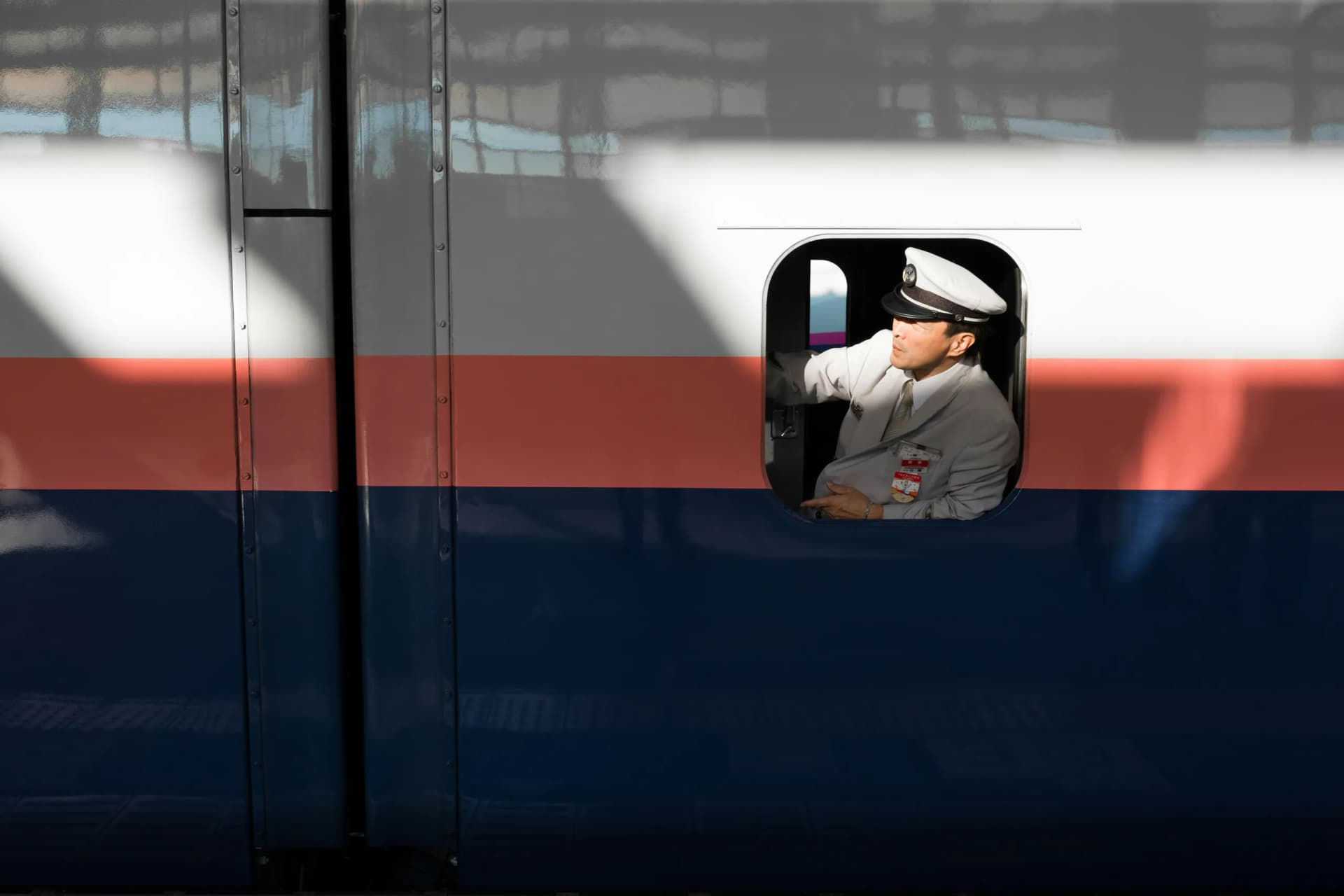
Plan with context
A station-to-station time does not include reaching the platform, navigating a large interchange, collecting luggage, or traveling from the arrival station to your hotel. Build those transitions into the itinerary so a short transfer does not quietly consume half a day.
Build a Realistic ItineraryPrice the long-distance journeys you actually expect to take. A pass is useful only when its coverage and cost fit your route.
Check hotel access, station size, luggage plans, and the time needed from checkout to the platform rather than comparing train time alone.
Group nearby stops, preserve a meal window, and keep at least one flexible activity in case weather or energy changes.
Keep the operator name, station exit, and an alternate connection available. Service patterns can change by day and season.
Transport schedules, fares, pass rules, reservation requirements, and operating conditions can change. Confirm time-sensitive details with the relevant official operator before travel.