

Halloween in Japan: Traditions, Costumes & 2026 Rules
Japan's Halloween season is known for costumes, cosplay, themed events, and seasonal treats. Here's what visitors can expect, including the current rules for Shinjuku.
Affiliate disclosure: Some links in this article may earn Japan Trip Planners a commission at no extra cost to you. Recommendations are included when they are genuinely useful for planning, and you should still compare current prices, terms, and official provider information before booking.
Is Halloween celebrated in Japan?
Yes. Halloween is widely visible in Japan, especially in October, but it is celebrated differently from the familiar American neighborhood holiday. Expect elaborate costumes and cosplay, themed events, store decorations, and seasonal sweets. October 31 is not a national holiday, so schools, offices, and public transportation generally follow their normal schedules, subject to each operator's or venue's timetable.
The simplest way to think about it: Japan's Halloween is more often a seasonal entertainment and shopping event than a night when children go door to door. The details vary by city and venue, and the biggest street gatherings have faced tighter crowd controls in recent years.
What are common Halloween traditions in Japan?
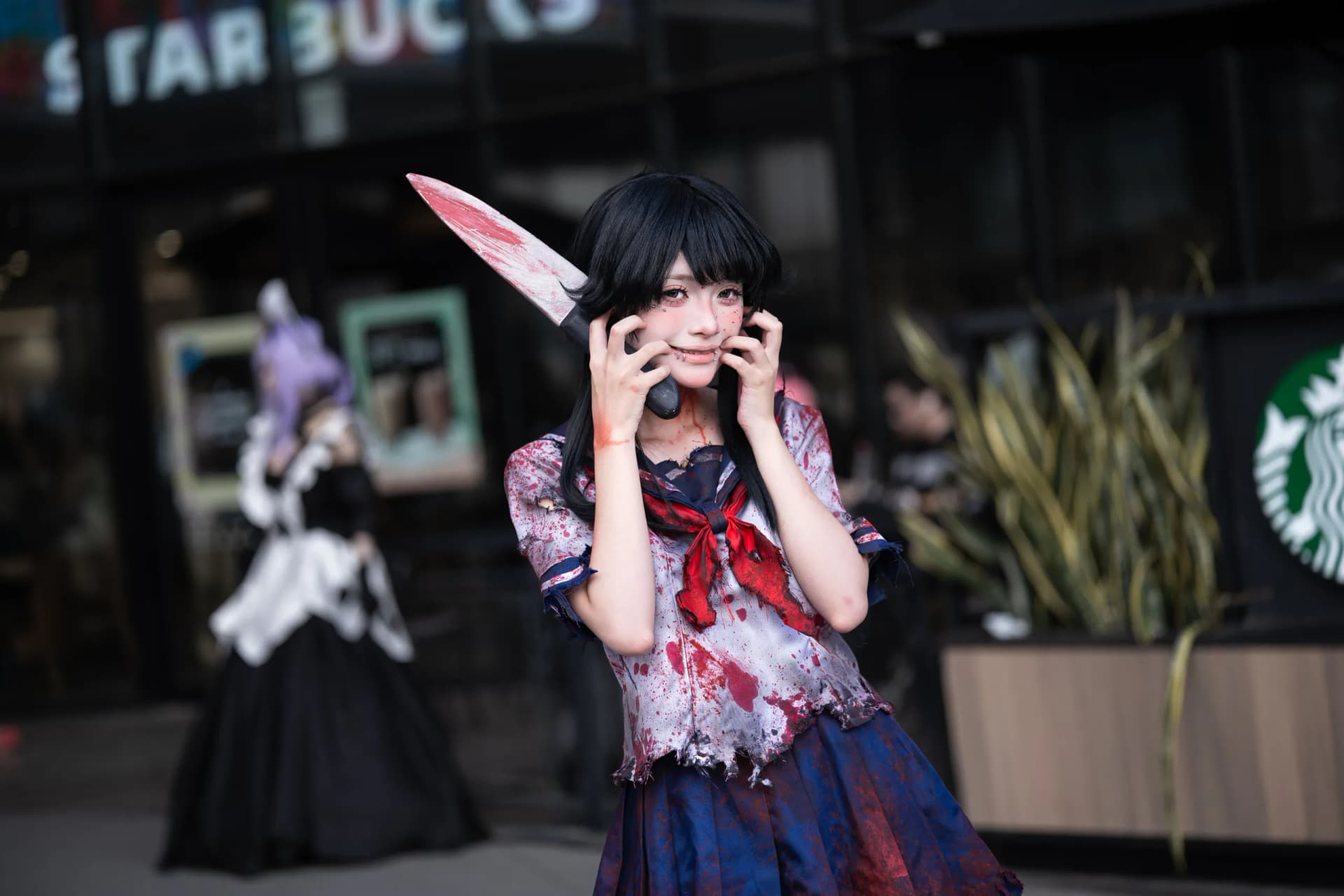
Costumes and cosplay are the most visible part of the season. You may see anime and game characters, movie costumes, monsters, and original looks at ticketed events, parties, and designated gathering areas. Dressing up is optional; many visitors simply enjoy the decorations or watch an event. If you plan to wear a costume, check the venue's rules first. Some places restrict changing clothes on site, masks, bulky accessories, realistic weapons, or costumes that could be mistaken for staff uniforms.
Theme parks, shopping centers, cafés, and other venues often hold their own Halloween programs. Depending on the event, that can mean decorations, parades, character appearances, dance performances, costume contests, or limited-time menus. These are organized experiences rather than a guarantee that a city will host a street party. Dates, tickets, and costume policies change each year, so choose a specific event before traveling across town.
Seasonal food is another easy way to join in. Bakeries, cafés, supermarkets, and convenience stores may sell pumpkin-flavored sweets, pastries, themed cakes, or Halloween packaging. The selection is temporary and varies by shop, so treat it as something fun to discover rather than a particular item you can count on finding.
Do children trick-or-treat in Japan?
Not usually in the door-to-door way common in some countries. Trick-or-treating is not a nationwide neighborhood tradition, and you should not assume that residential streets will welcome children knocking on homes. Some schools, international communities, shopping centers, and local groups do organize children's Halloween activities. These typically have a defined route, participating shops, registration, or event hours.
If you are traveling with children, look for an announced family event at a shopping complex, theme park, community venue, or school open to visitors. Confirm age limits, registration, costume requirements, and whether treats are included. A planned activity is a more reliable option than setting out to find spontaneous trick-or-treating.
What about Halloween meetups in Shinjuku?
Shinjuku's Kabukicho area has drawn informal Halloween visitors and meetups, but don't treat its streets as an official festival venue or assume that gathering and drinking are unrestricted. The ward says it is taking measures to prevent nuisance behavior and accidents from excessive crowds, including patrols and security staff.
For Halloween 2026, street drinking is restricted from 5 p.m. on Saturday, October 31, until 5 a.m. on Sunday, November 1, in parts of Shinjuku 3-chome and Kabukicho 1-chome. The ward is also asking nearby stores to refrain from selling alcohol during the restriction and says nuisance actions such as using fire, climbing structures, and creating noise with sound equipment are prohibited. The restriction is area-specific, not a blanket rule for every street in Shinjuku. Check the Shinjuku Ward's 2026 Halloween notice for the map and updates before you go. Rules can change for future years.
If you want a Halloween night out, a ticketed club, restaurant, or organized event is easier to plan around than an informal street meetup. Arrange your return route in advance, follow directions from staff, keep entrances and sidewalks clear, and take your trash with you.
Tips for experiencing Halloween in Japan
Pick the kind of evening you actually want: a family-friendly event, a theme-park program, a costume party, or a seasonal walk and dinner. Check the address carefully because Tokyo's event areas can be far apart, and don't build a night around an unconfirmed crowd gathering. If a venue requires advance tickets or timed entry, book through its official channel and read the entry conditions before paying.
Keep costumes practical for trains and crowded sidewalks. Store large props in a bag while traveling, never block station gates or building entrances for photos, and ask before photographing other people. Follow staff instructions, avoid climbing or unsafe behavior, and remember that most of Japan is carrying on with an ordinary weekday or weekend around you.
For more ideas, use our Tokyo destination guide to choose a neighborhood and the interactive Japan map to organize nearby stops.
Travel details can change. Confirm current schedules, opening hours, reservation rules, prices, and entry requirements with the relevant official provider before booking or traveling.
Related Japan Planning Articles
Trip Planning · Travel Tips · Tokyo · Kansai
10-Day Japan Itinerary for First-Time Visitors
Trip Planning · Travel Tips · Culture · Tokyo · Kansai
Christmas and New Year in Japan: How to Plan Your Vacation
Transportation · Travel Tips · Fukuoka