

Things to Do in Kyoto: 15 Experiences Worth Planning Around
Explore Kyoto's temples, gardens, food streets and cultural experiences, then choose the places that belong together instead of rushing between every famous sight.
In this article
Affiliate disclosure: Some links in this article may earn Japan Trip Planners a commission at no extra cost to you. Recommendations are included when they are genuinely useful for planning, and you should still compare current prices, terms, and official provider information before booking.
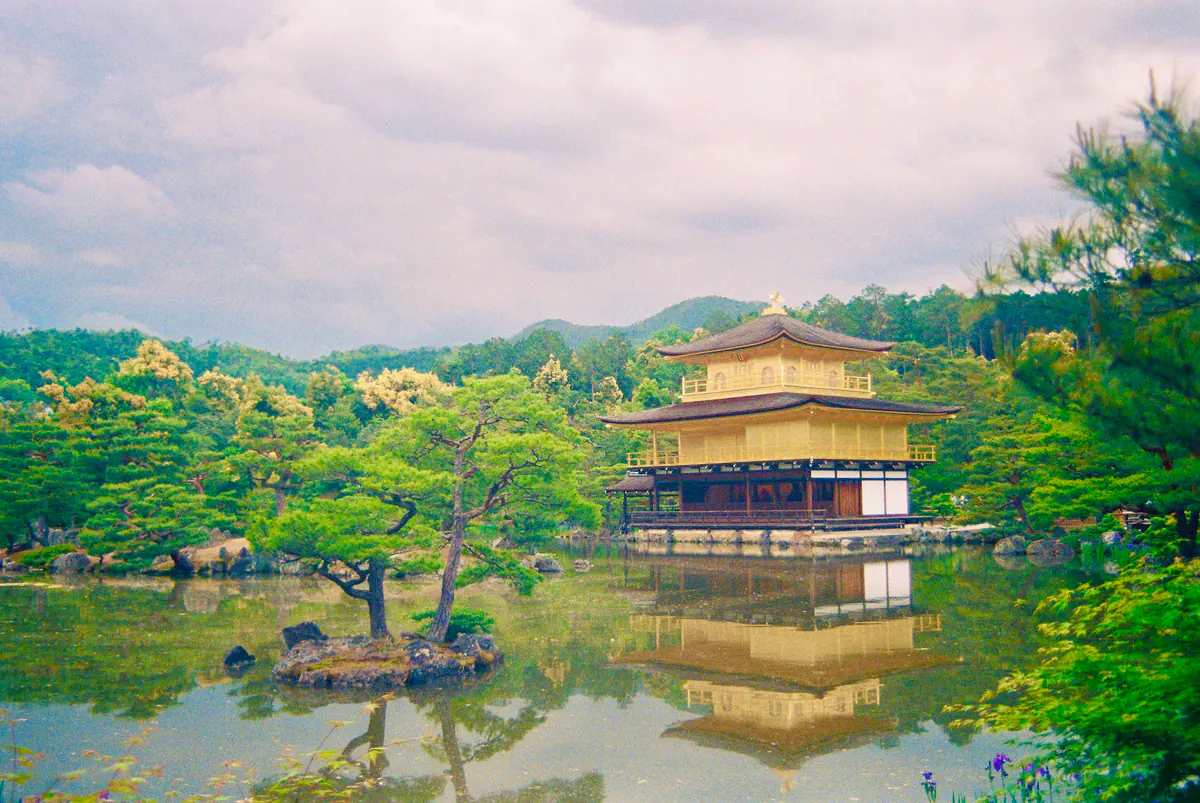
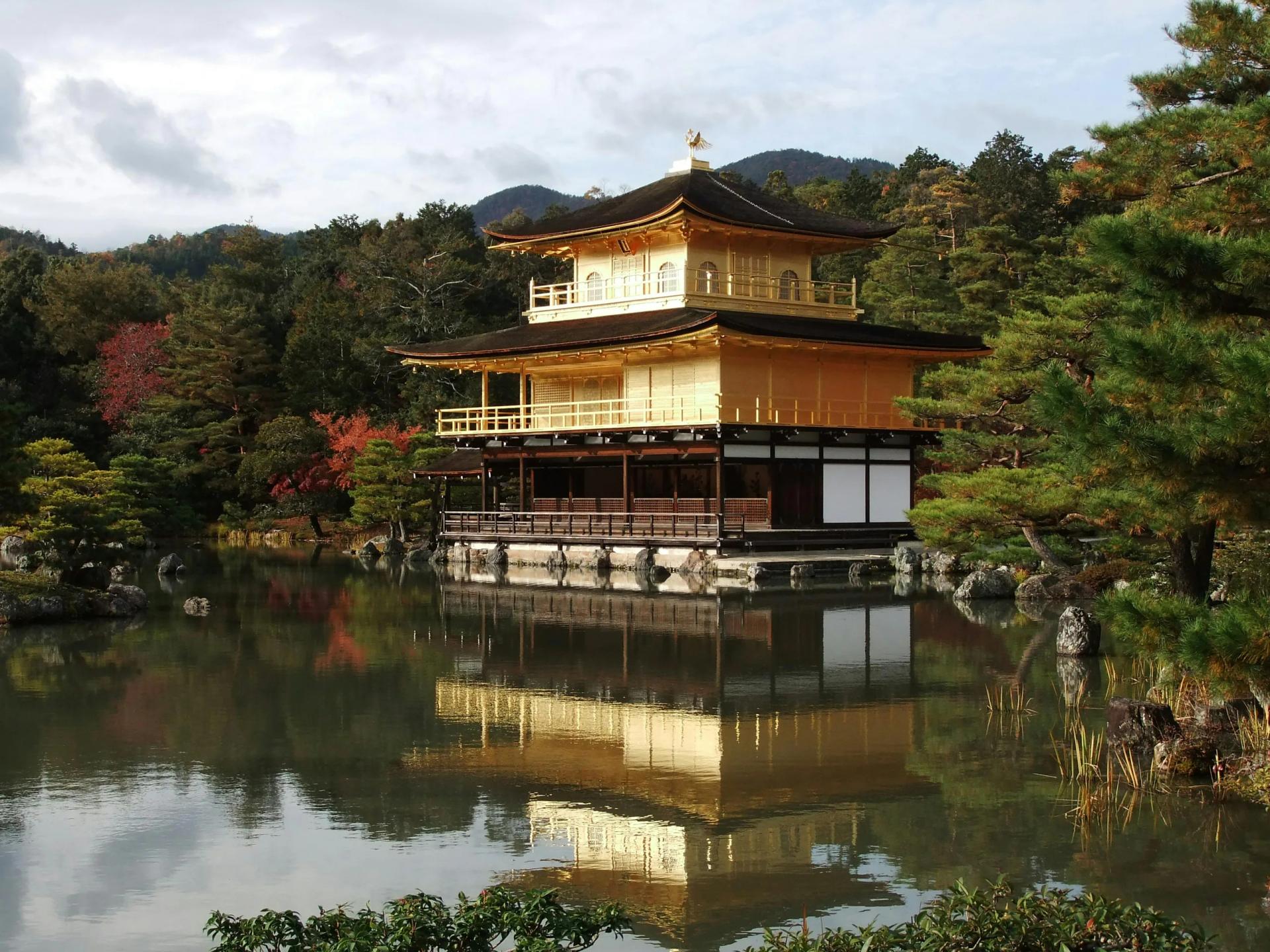
1. See Kinkaku-ji's Golden Pavilion and pond garden
Kinkaku-ji is the Kyoto image many travelers already recognize: a golden pavilion beside a reflecting pond, with carefully arranged trees and garden scenery around it. The visit is about seeing the building within that landscape, not touring the pavilion's interior. Walk the designated route beyond the first viewpoint rather than treating the entrance photograph as the entire experience.
Allow about an hour to an hour and a half, with additional time for queues or transport. The published regular opening hours are 9 AM to 5 PM, so it is not an early-dawn temple stop. Admission is paid. A reflection depends on weather and water conditions; the same garden can look very different in rain, bright sun or snow.
Kinkaku-ji is in northwestern Kyoto. Ryoan-ji can make sense as another chosen garden stop, but Arashiyama is not next door and eastern Kyoto requires a separate transfer. If you choose a sightseeing tour, compare its actual stops and time at each before trading an independent visit for a much longer checklist.
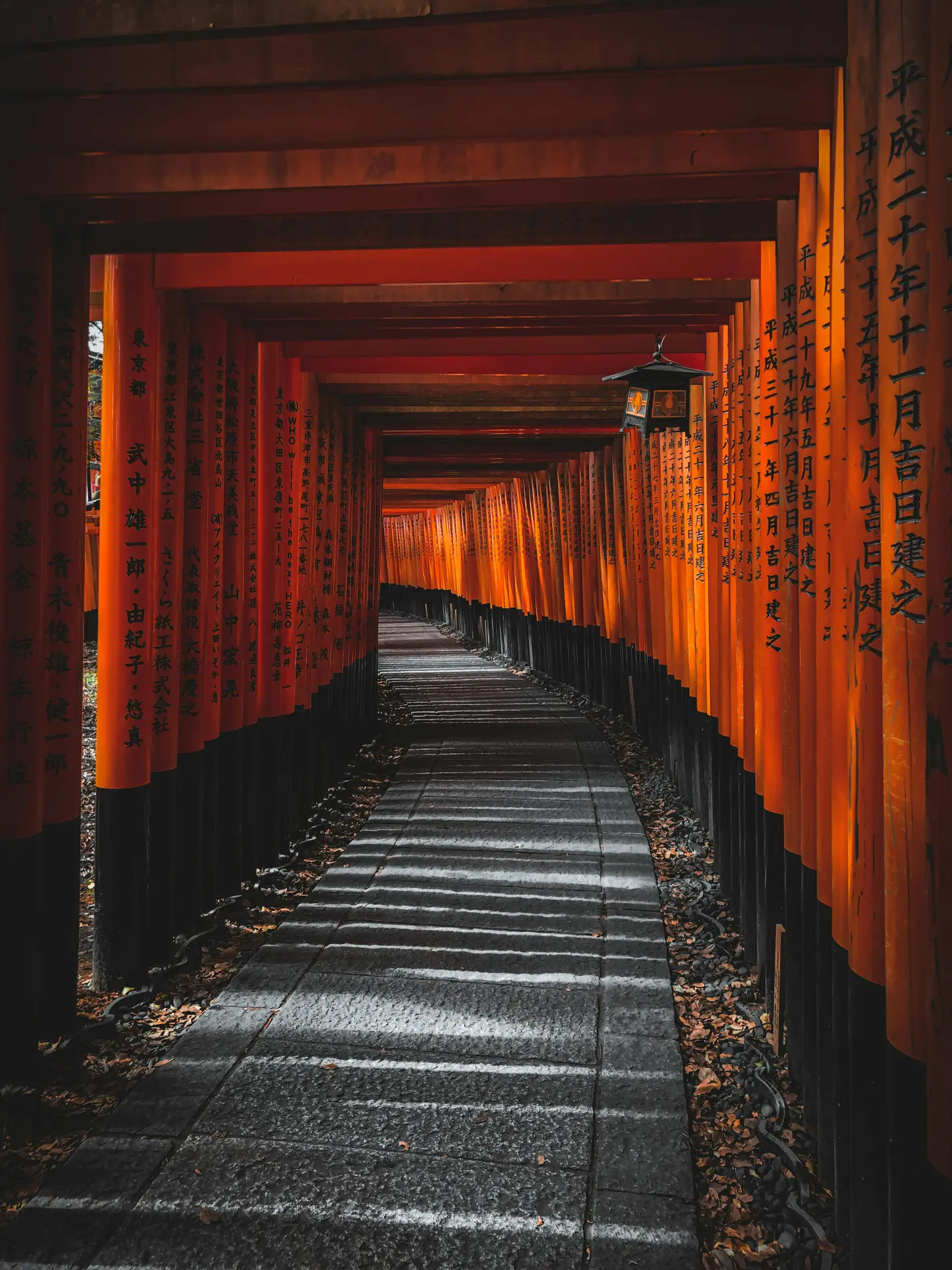
2. Walk the torii-lined paths at Fushimi Inari Taisha
Fushimi Inari is a shrine and sacred mountain, not simply a corridor of red gates. You can make a shorter visit around the main shrine and lower paths or devote a substantial part of the day to walking farther uphill. Those are different outings, so decide which you want before adding afternoon reservations.
The shrine grounds are free to enter. Allow roughly one to two hours for a lower-area visit, or several hours with breaks for a longer mountain walk. Steps, heat, rain and your group's fitness matter more than a map's straight-line distance. Wear shoes you can walk in, carry water and keep worshippers' access clear.
An early start can help spread your day out, without guaranteeing empty paths. You can search Fushimi Inari tours and experiences on Klook, but no tour is required for entry. Check whether a result is a shrine walk or a multi-stop excursion and whether its meeting point is in Kyoto or Osaka.
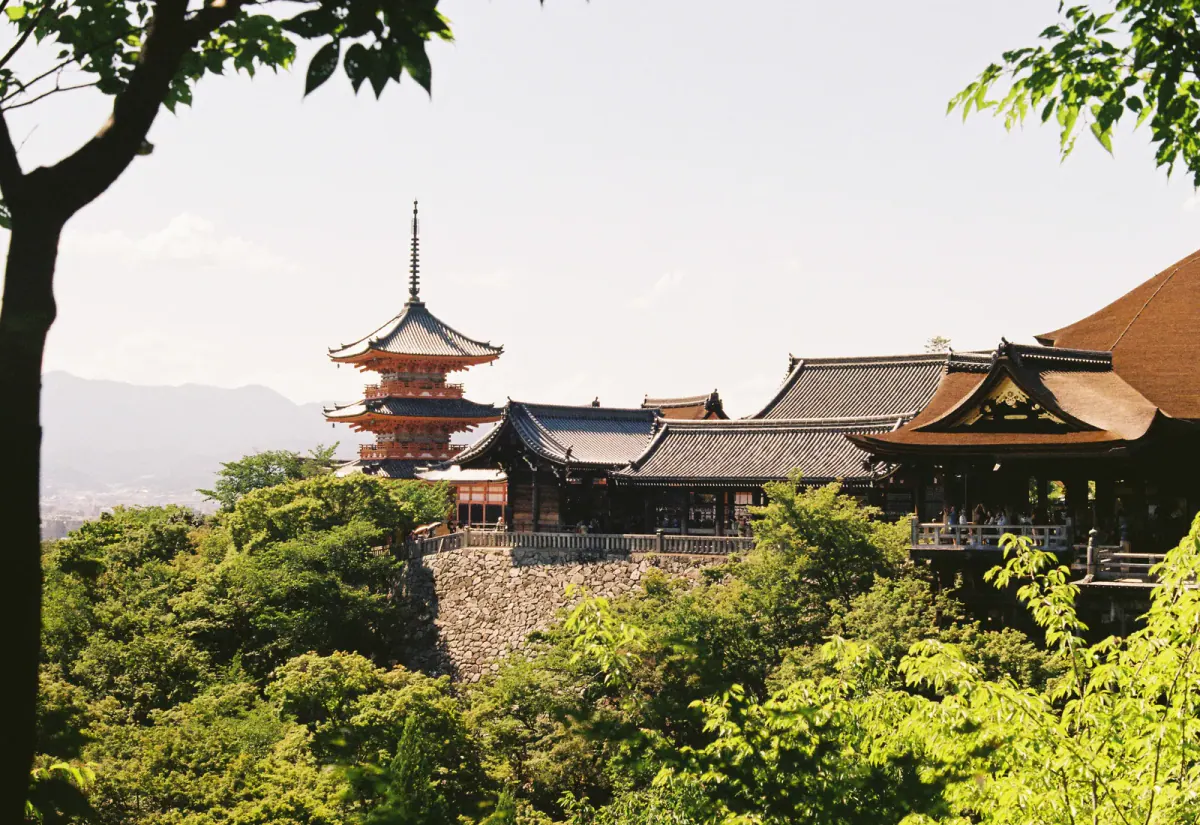
3. Explore Kiyomizu-dera and the lanes of Higashiyama
Kiyomizu-dera combines an impressive hillside setting with a temple visit and some of Kyoto's best-known historic approaches. Give the temple and the surrounding lanes a shared block rather than timing only the main veranda. Sannenzaka and Ninenzaka are places to browse, with shops, pottery and small food stops along the way.
Allow around three hours for the temple area and a relaxed walk, longer for substantial shopping or a meal. The route includes slopes and steps; traveling light makes a real difference. Public streets and paid temple areas are separate, and seasonal special openings do not mean the same evening access is available every night.
Continue toward Yasaka Shrine or Gion if your group still has energy. This is a more natural pairing than crossing to the Golden Pavilion and back. Stop for photographs without blocking stairs, shop entrances or residents' access, and follow the restrictions at each temple building.
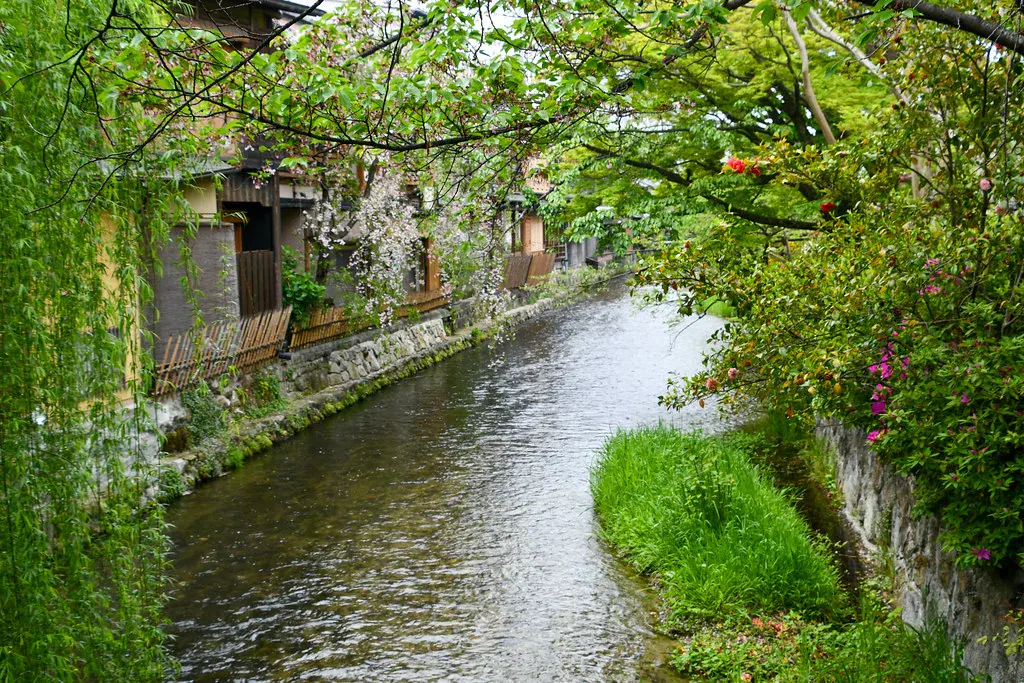
4. Walk Gion and Shirakawa with respect for the neighborhood
Gion's appeal is in its streetscape: traditional buildings, narrow approaches and, around Shirakawa, the water and greenery beside the lane. It works well as a late-afternoon walk after eastern Kyoto, followed by dinner nearby. You do not need a staged geiko encounter to enjoy the neighborhood.
Gion is also a working and residential area. Some lanes are private or restricted; follow current signs instead of assuming every photogenic turn is public. Do not chase, stop, touch or photograph geiko or maiko without permission. Avoid blocking roads, doorways or narrow bridges to take a picture.
If you want to learn about traditional performance, book a clearly described public performance or cultural experience instead of hoping to photograph someone on the way to work. Check what the booking actually includes, the language, duration and any photography rules. Keep a normal neighborhood walk separate from a claim of private access.
5. Make Arashiyama more than a quick bamboo photograph
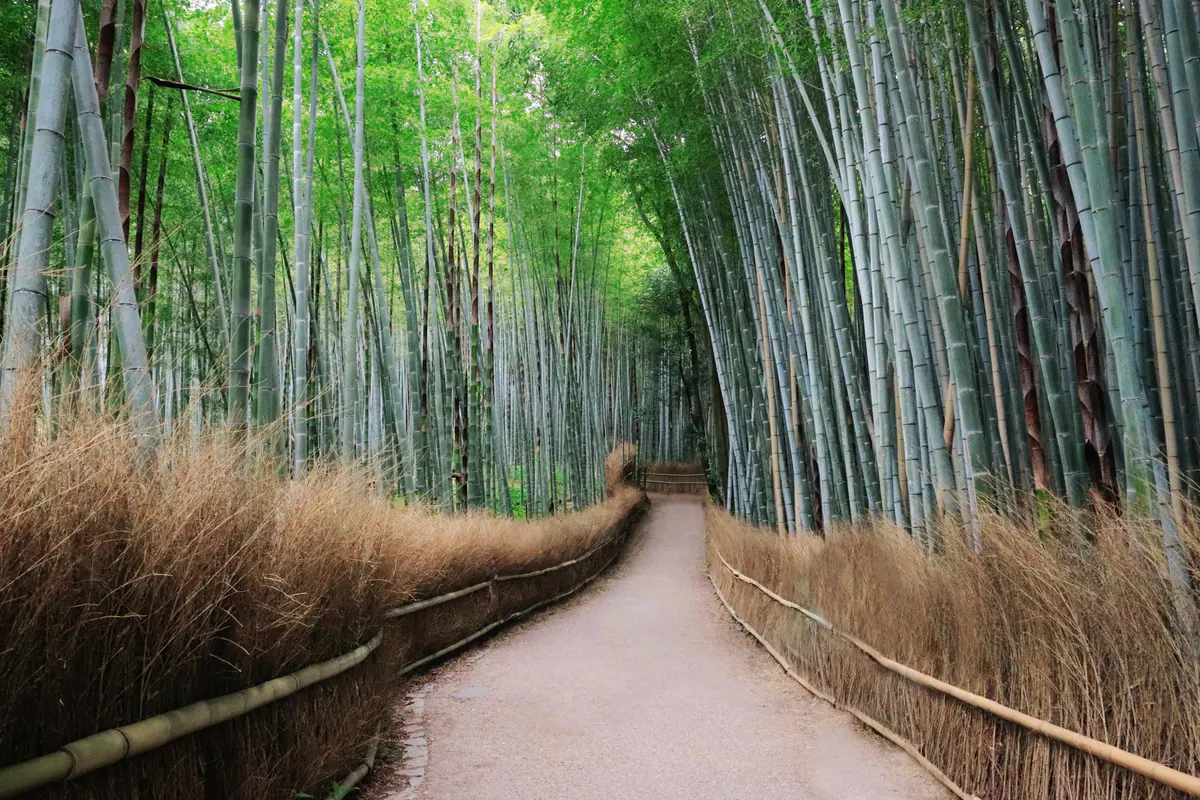
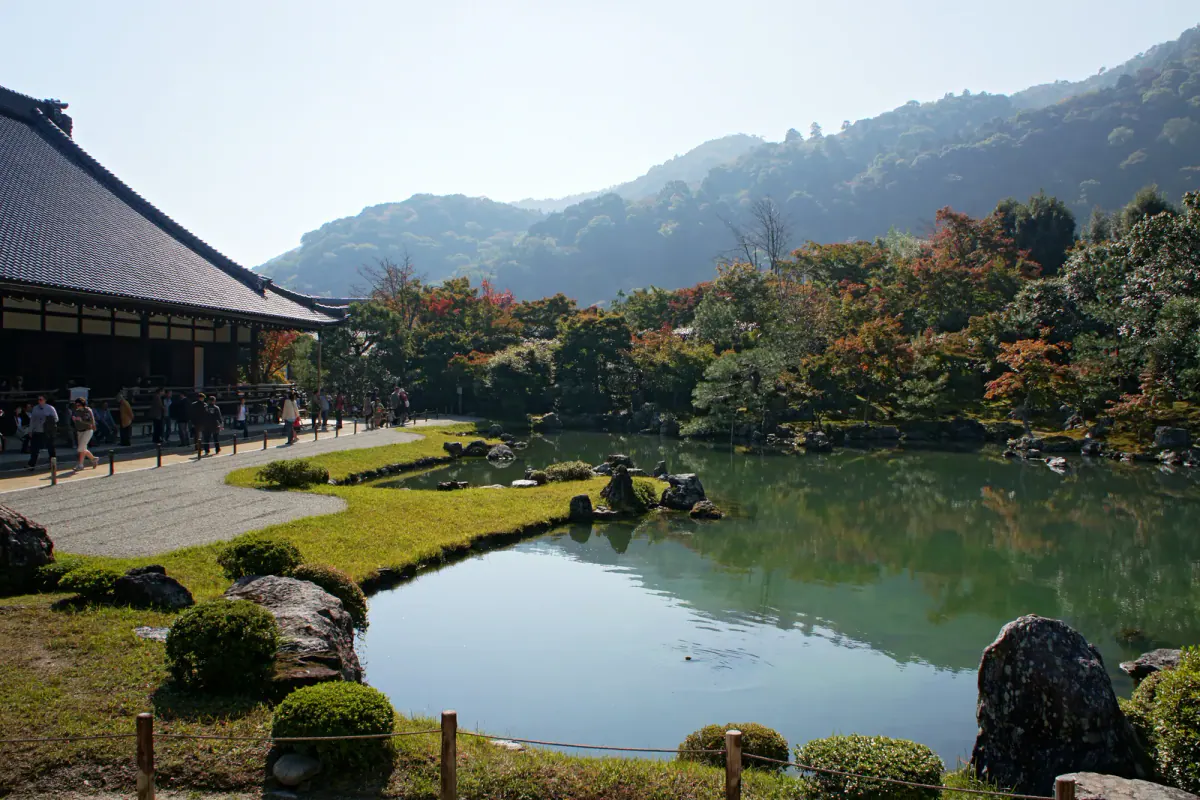
The Bamboo Grove is a recognizable starting point, but Arashiyama is more satisfying as a western-Kyoto outing with a garden, river scenery and time to walk. Choose Tenryu-ji's garden if you enjoy designed landscapes, then decide whether to continue toward the river and Togetsukyo Bridge or explore another part of the district.
Allow at least a half-day for a few selected stops and lunch. The public bamboo path itself does not require an admission ticket; temple gardens, the Monkey Park and organized experiences have their own arrangements. Tenryu-ji's garden and building access are not necessarily the same ticket. Read the current inclusions rather than assuming one payment covers the district.
If you choose Iwatayama Monkey Park, account for the uphill walk and follow staff rules around the animals. Do not squeeze in the park, several temples, a scenic train and a cross-city afternoon unless you deliberately want a very active day. One fewer stop can buy an enjoyable hour beside the river.
6. Ride the Sagano Romantic Train through the river gorge
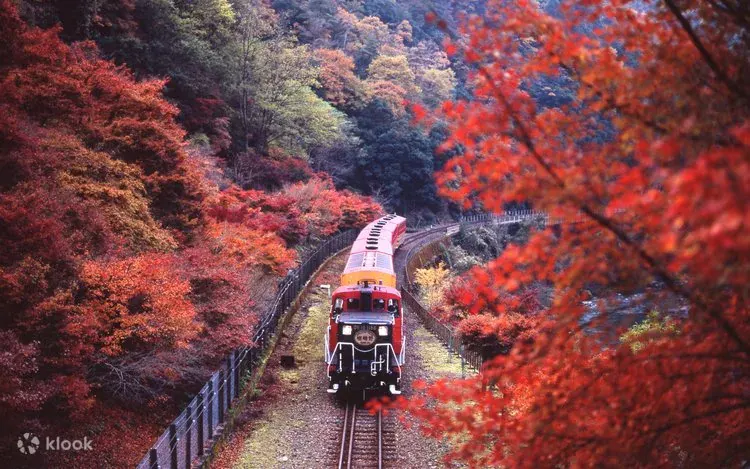
The Sagano Romantic Train is a scenic railway outing associated with the Hozu River gorge, not the regular train you use to reach Arashiyama. Choose it when the landscape and the ride are part of what you want from the day, especially if you would enjoy a seated break from temple walking.
Compare Sagano Romantic Train ticket options and check the operating calendar, departure station, travel direction and return journey. Torokko Saga and Torokko Kameoka are not interchangeable meeting points, and a one-way scenic ticket does not automatically provide your way back. Seasonal scenery and weather cannot be guaranteed.
Build the Arashiyama day around the departure you actually secure, leaving time for station access and a meal. If combining it with a river-boat experience, verify that service separately and leave room for cancellations or changes rather than making every later reservation depend on it.
7. See a different side of Kyoto at Nijo Castle
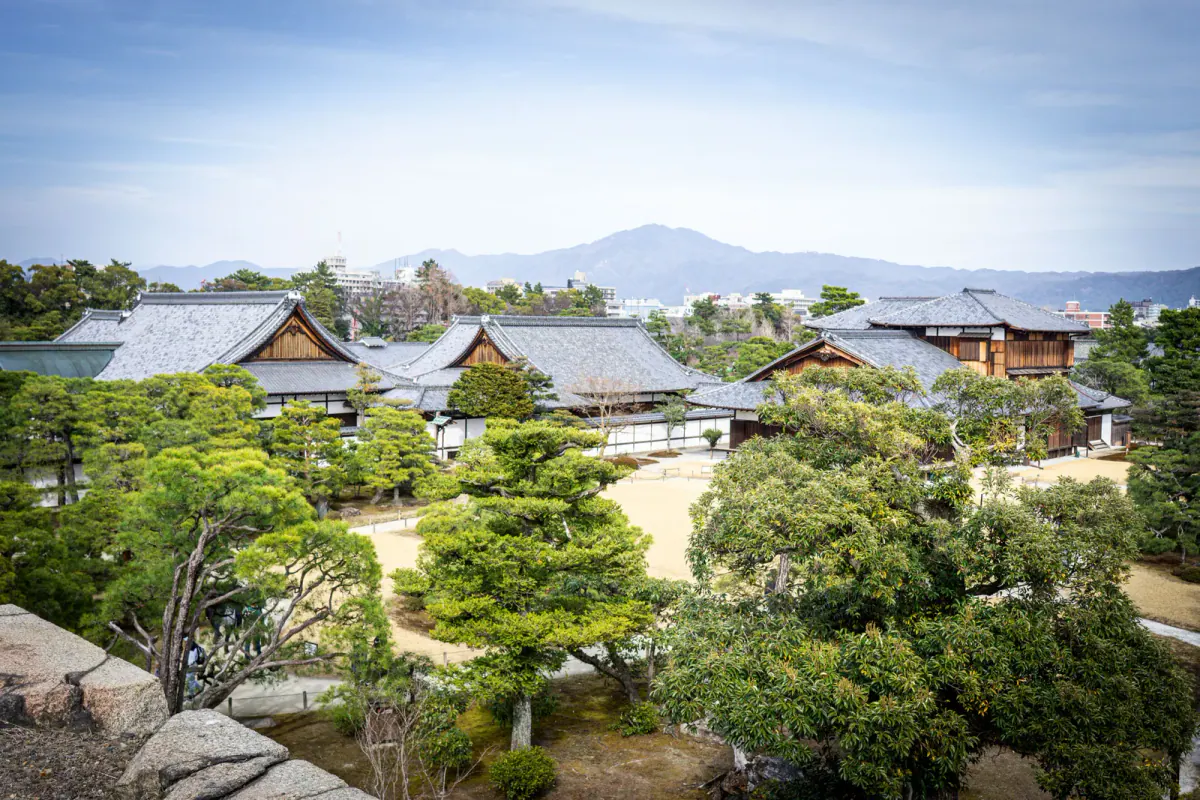
Nijo Castle is a useful contrast to a temple-heavy itinerary. Its palace architecture, defensive setting and gardens let you approach Kyoto through political power and courtly spaces rather than another sequence of shrine gates. Allow two to three hours if you want to appreciate more than the outer grounds.
Check which areas your ticket includes. Castle grounds, Ninomaru Palace and special access are not a single interchangeable entitlement, and closures can differ by area. Photography and video are not permitted inside Ninomaru Palace or Honmaru Palace.
The central location can fit with a quieter downtown afternoon. Our saved Kyoto tour option including Arashiyama and Nijo Castle is a multi-stop excursion, not a standalone castle ticket. Inspect its sequence, meeting point, admission inclusions and time at each stop before booking.
8. Taste Kyoto ingredients at Nishiki Market
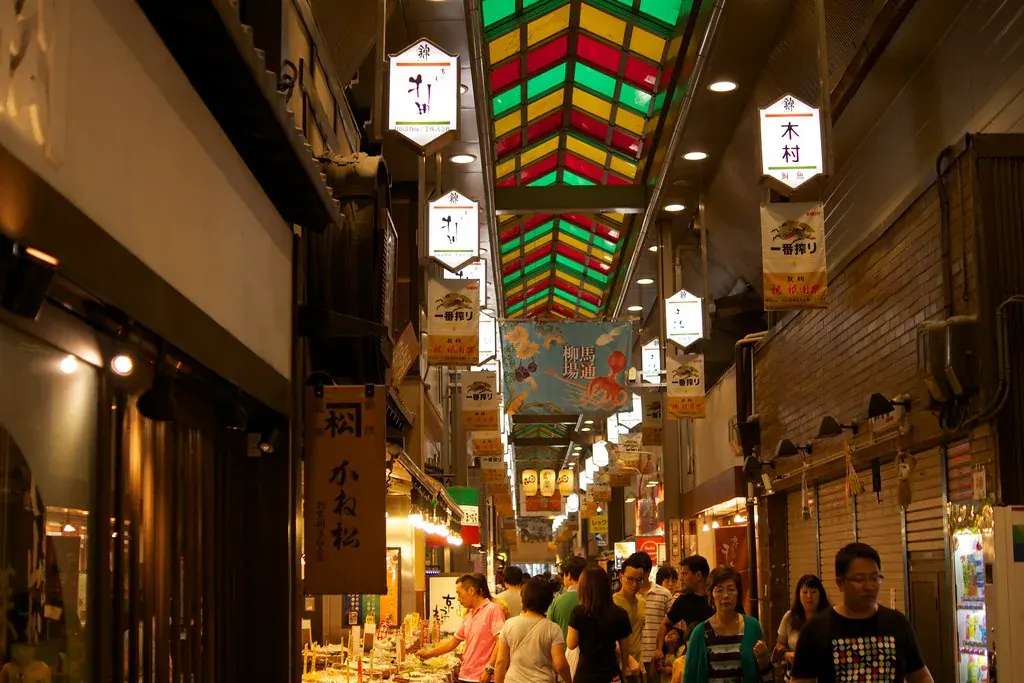
Nishiki Market is a place to discover ingredients as well as snacks: pickles, tea, sweets, seafood, tofu products and other foods linked with Kyoto's kitchens. Browse first, notice what interests you and choose a few things you actually want to taste rather than expecting every stall to provide a full meal.
An hour or two can work for browsing and small purchases, but individual shops have their own schedules. It is not a late-night food market. Eat inside the shop or in the seller's permitted space, not while walking along the passage; keep purchases and rubbish with you until you find the appropriate place for them.
Nishiki pairs naturally with downtown shopping around Teramachi and Shinkyogoku. If someone in your group has an allergy or dietary requirement, ask about stock, sauces and preparation instead of assuming a vegetable-looking item is suitable. A guided food experience can help with interpretation, but public market browsing does not require a tour.
9. Join a tea experience that explains what you are doing
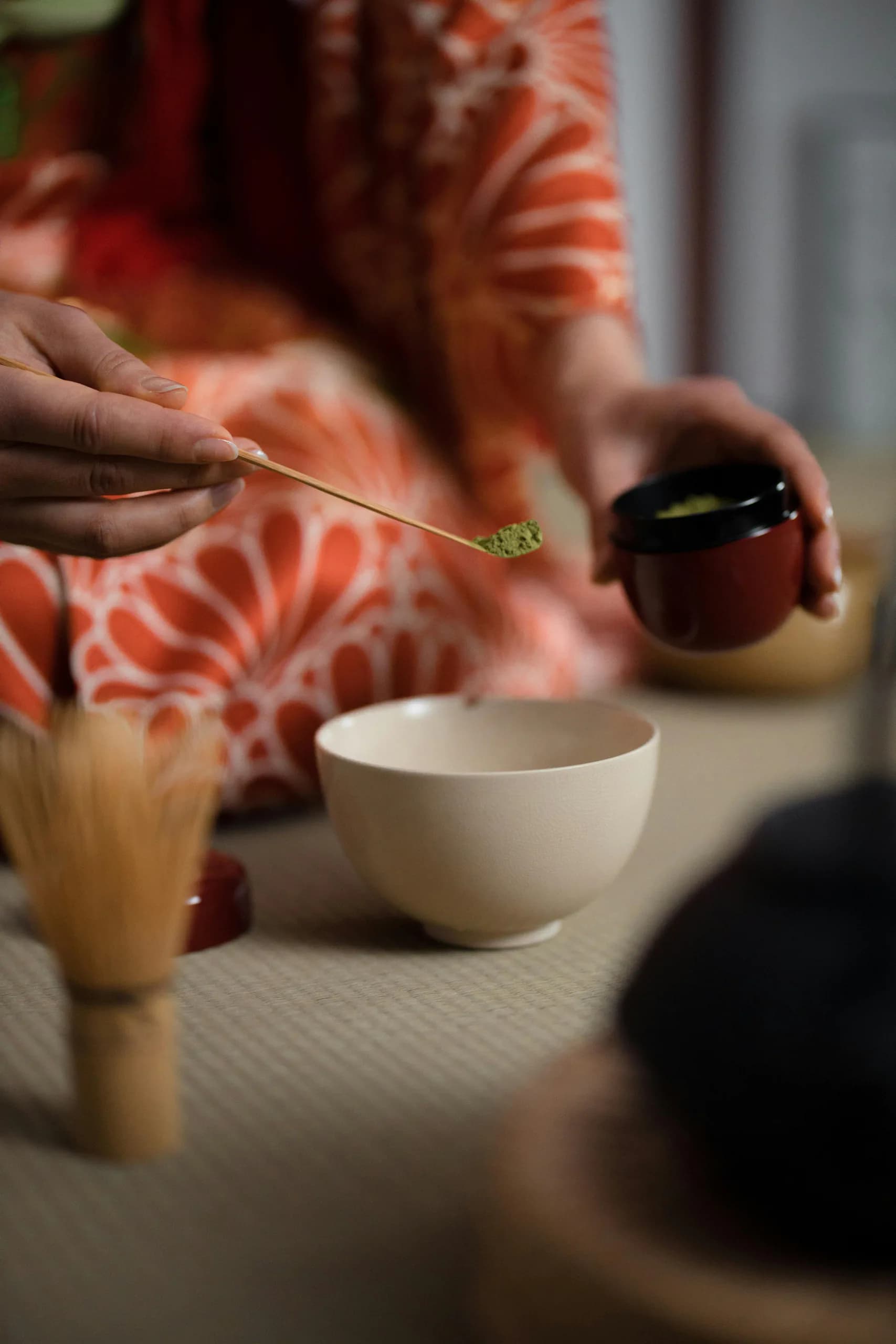
A tea experience can turn an unfamiliar ritual into something you understand: how the bowl is handled, what the utensils are for and why attention is given to seemingly small gestures. It is a good choice when you want to take part rather than spend the entire day looking at buildings.
Experiences vary. Compare the teaching language, group size, length and whether you prepare tea yourself or watch a demonstration. Ask about seating if kneeling would be uncomfortable. A short introductory session, a shop tasting and a more formal ceremony are different experiences; choose the level of detail you genuinely want.
Use the venue address to decide where it fits. A Higashiyama tea session can share a day with nearby streets, while a session across the city creates another transfer. Book around the appointment first, then leave a buffer rather than arriving out of breath from an ambitious temple circuit.
10. Try kimono rental or a hands-on craft
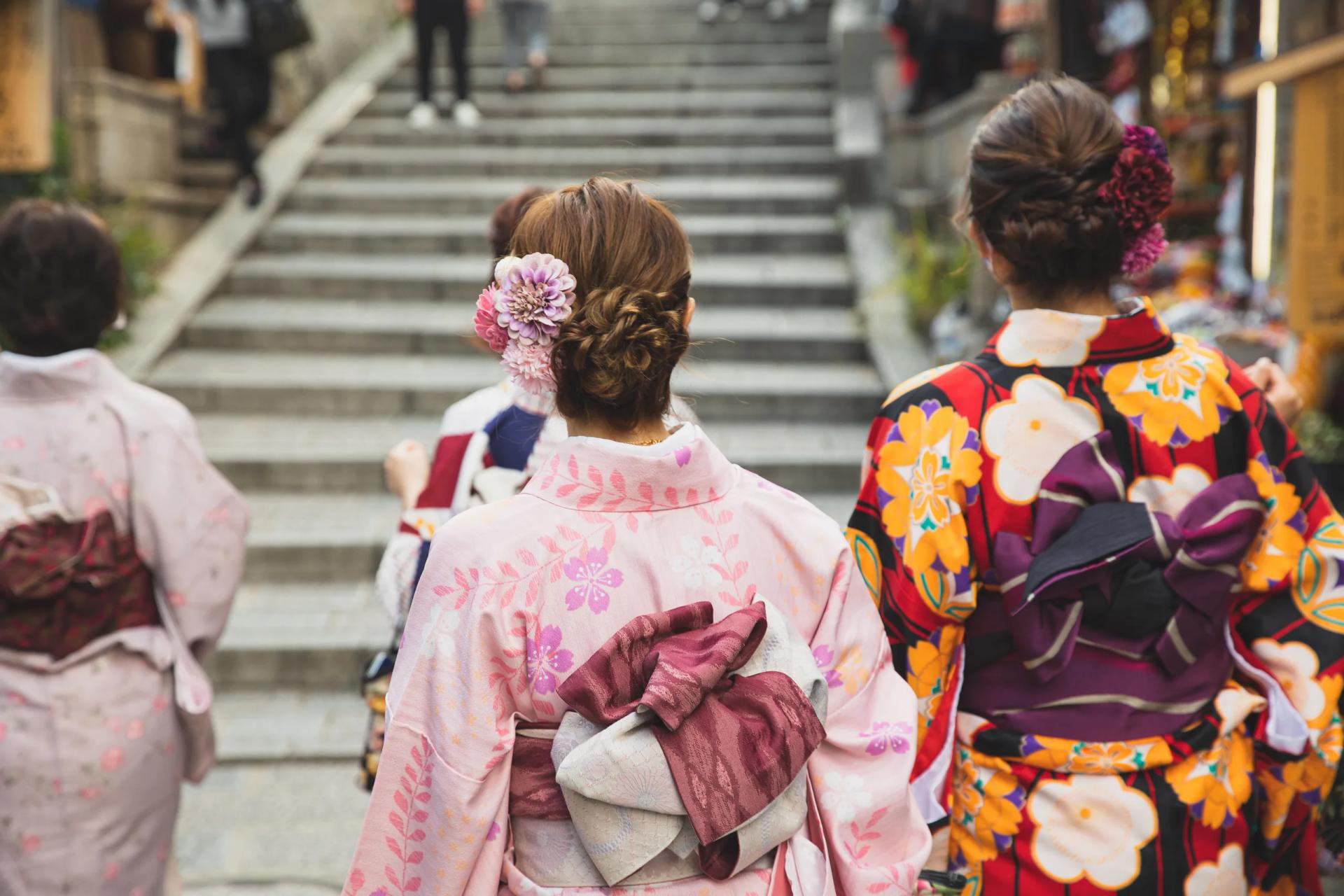
Kimono rental can be enjoyable when the dressing experience and a leisurely walk are the point. It becomes less appealing if you combine it with a long mountain climb, a tight train connection and several hours of heat. Pick a compact neighborhood and shoes or walking expectations that suit the outfit.
Compare the complete package: garment choices, dressing, hair styling, accessories, photography and return time. A low starting price may not include the items shown in the promotional photograph. Check weather and cancellation policies, and confirm where belongings are stored and where the clothing must be returned.
If dressing up is not your interest, a pottery, cooking or other craft session can give the day a similar hands-on focus. Check whether you take the finished object home immediately or need later collection or shipping. Search by the activity you want, not simply the cheapest available experience in Kyoto.
11. Choose Ginkaku-ji and a slower eastern walk
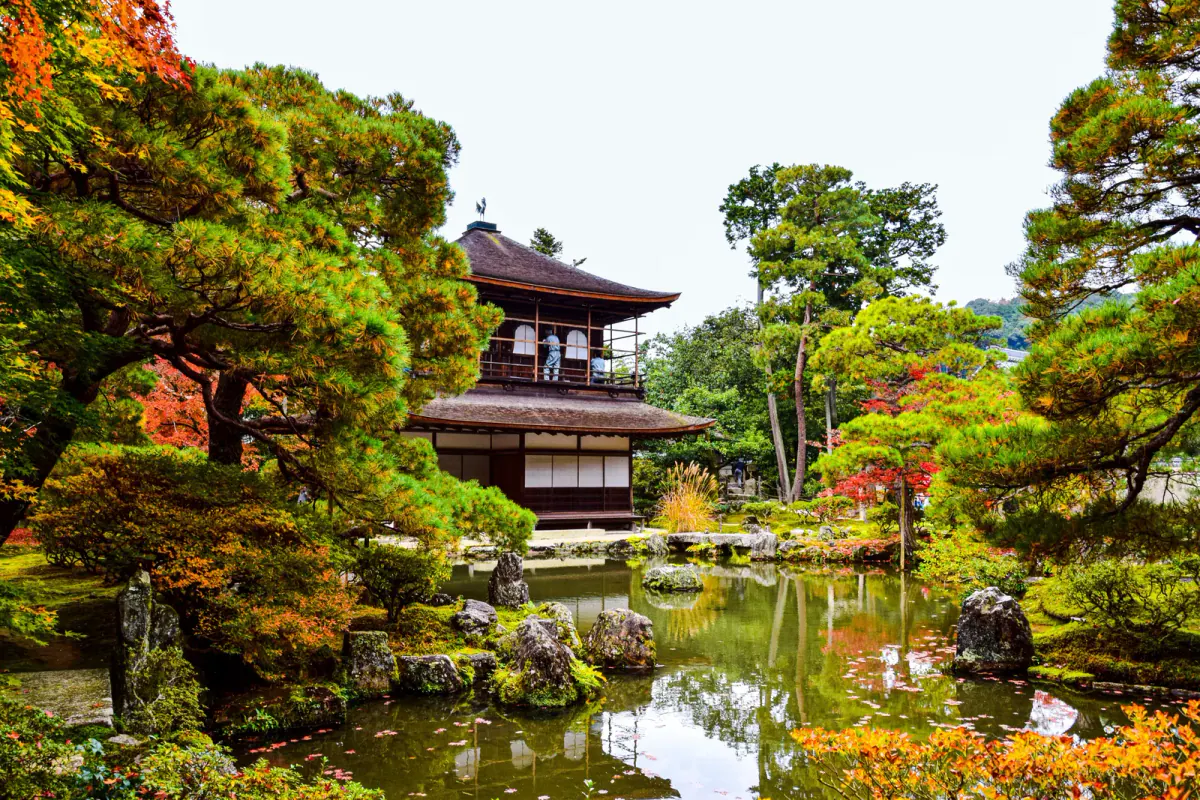
Ginkaku-ji, often called the Silver Pavilion, offers a different mood from the Golden Pavilion. Choose it for the garden setting and a northeastern Kyoto outing, not because the name promises a silver-coated counterpart. Let the garden visit be an experience in its own right rather than the second item in a gold-versus-silver photo challenge.
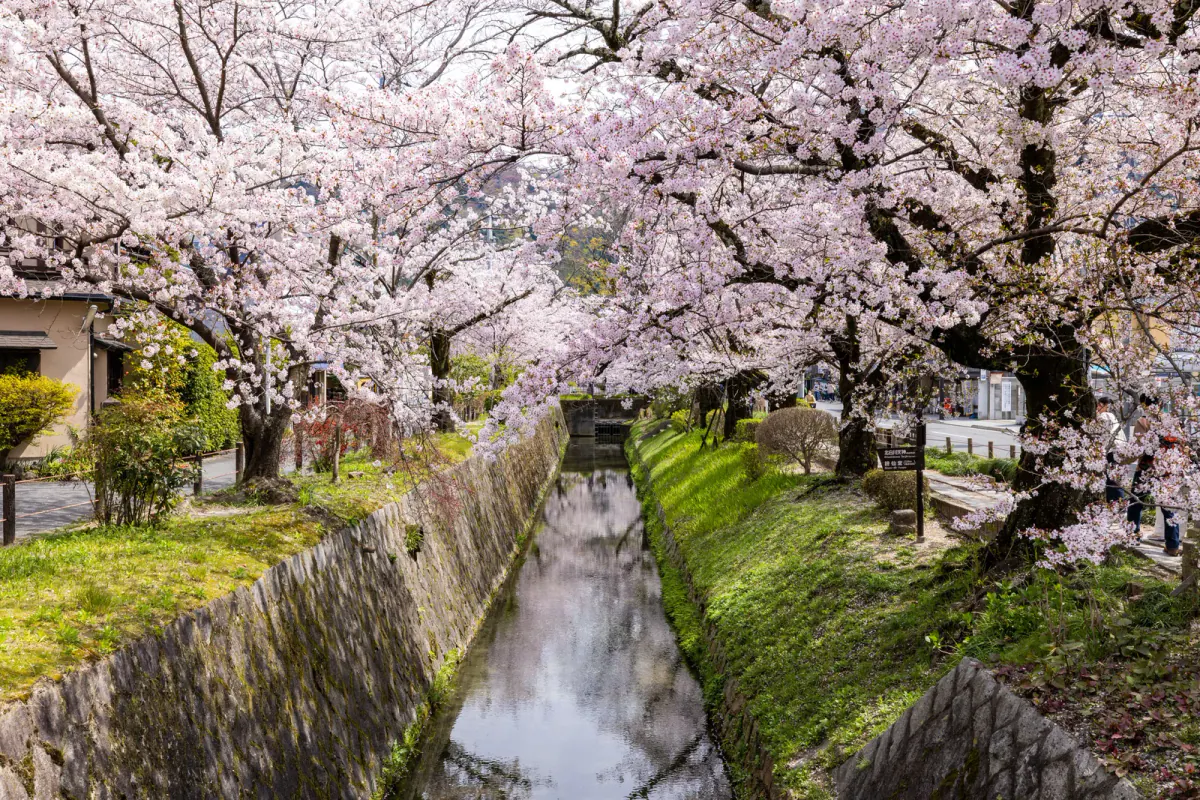
The Philosopher's Path can extend the outing with a canalside walk and small stops along the way. Cherry blossoms can make this route especially popular, but it is also a pleasant way to slow down outside peak flowering. Weather, remaining daylight and your interest in walking should determine how far you continue.
Choose another nearby temple or a cafe if you have time; do not automatically tack on the whole of southern Higashiyama. Map distances can make an attractive walking day look easier than it feels after several paid gardens, stairs and shop stops.
12. Leave room for the Kamo River and an unhurried evening
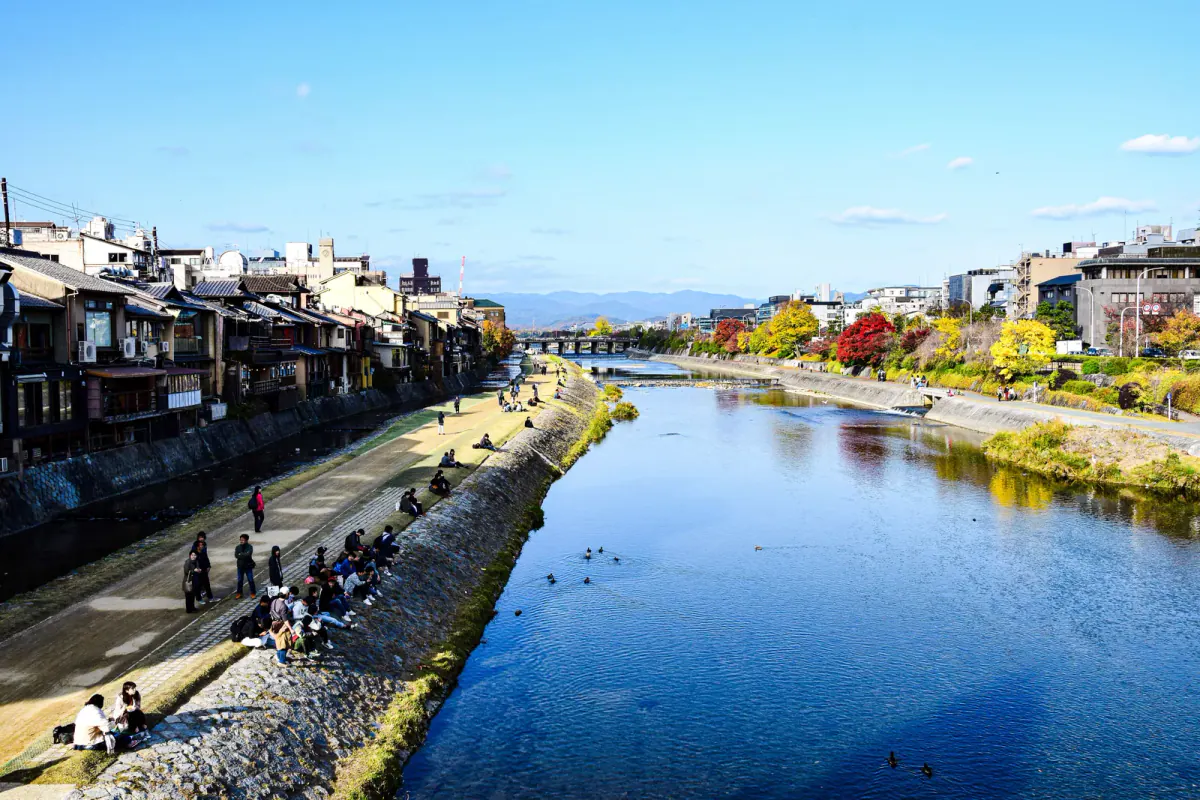
A walk beside the Kamo River is a useful counterweight to Kyoto's ticketed sights. It gives the day breathing room and can fit before dinner downtown without needing another reservation. Choose a stretch convenient to where you already are rather than turning a free walk into another cross-city mission.
For Kyoto at night, think about dinner around downtown, a respectful Gion walk, a booked performance or a drink in a place that welcomes visitors. Most daytime temple interiors and market shops are not late-night attractions. An atmospheric street after closing is not the same experience as visiting its businesses during the day.
Check prices, minimum orders and any seating charge before settling into a small venue. Riverside conditions change with weather; do not go down to exposed paths during heavy rain or ignore barriers for a photograph. Keep a practical route back to your accommodation in mind.
13. Visit the Kyoto Railway Museum, especially with train fans
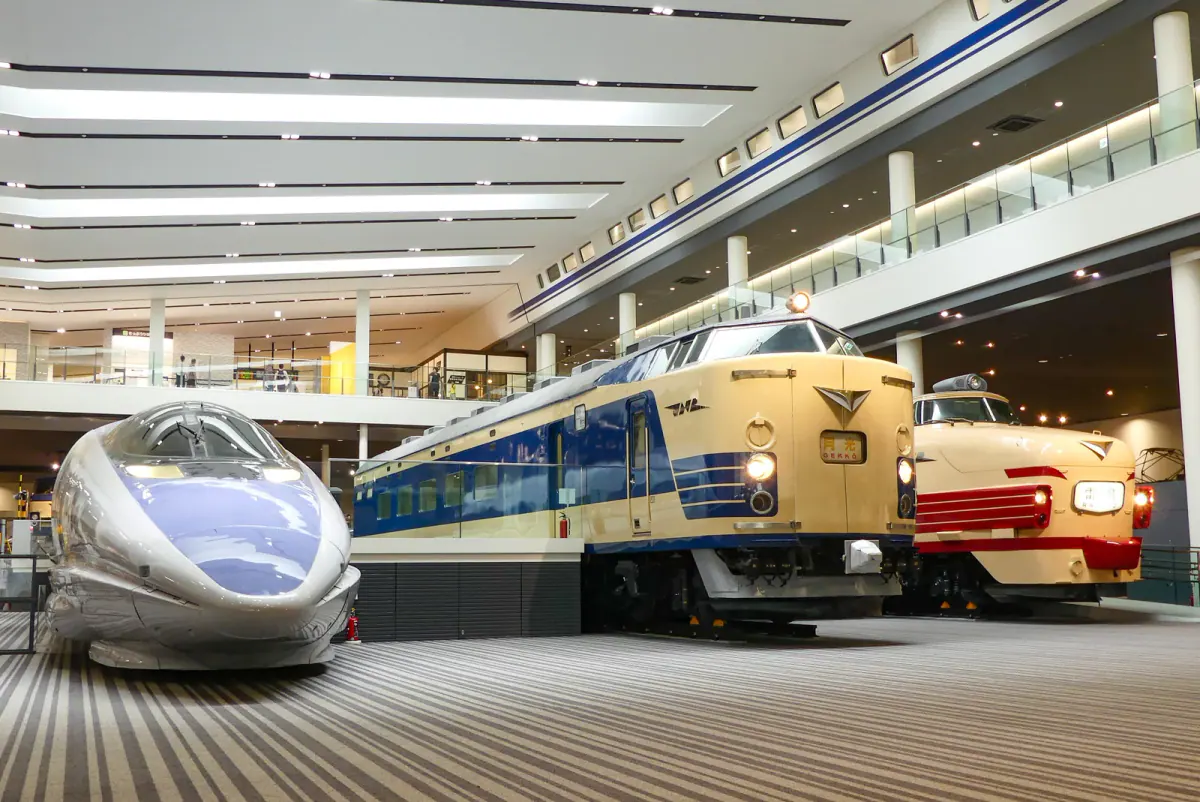
The Kyoto Railway Museum is a strong choice for travelers interested in how Japan moves, and for families who want a day that is not built around temple etiquette. Give it a substantial block so the visit is more than a dash past a few trains. It can anchor an outing around the Umekoji area instead of being squeezed between distant sights.
Check Kyoto Railway Museum admission options and the actual operating calendar. Allow two to three hours or longer for enthusiastic visitors. General admission and special experiences such as the driving simulator are separate; an admission ticket is not a reservation for every activity.
It can be a useful rainy-day option, but not a reason to assume that every part of the visit is indoors or that same-day availability is guaranteed. Choose it because the subject appeals to your group, not only because the forecast has turned wet.
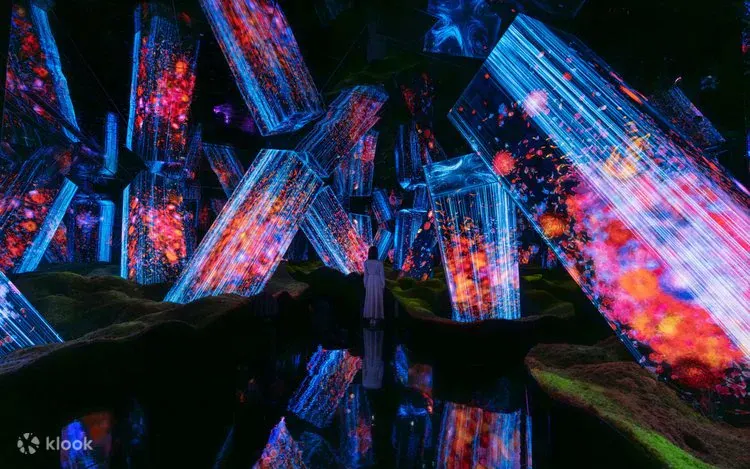
14. Add contemporary Kyoto with teamLab Biovortex
Kyoto is not only an outdoor museum of its past. teamLab Biovortex Kyoto provides a contemporary art option when you want a different kind of visual experience. It can be a deliberate contrast to temples and gardens, rather than an attraction added simply because another teamLab venue appeared on a Tokyo itinerary.
Verify the venue name before buying: Kyoto's Biovortex is not teamLab Planets or Borderless in Tokyo. Check the specific date, entry arrangements, access guidance and current visitor requirements. The facilities, artworks and physical conditions are venue-specific; do not assume a recommendation or packing tip for one teamLab location applies to another.
Give an immersive exhibition its own time block and leave some flexibility afterward. Families and travelers with mobility, sensory or other access needs should review the venue's guidance before committing. A rainy day is a sensible reason to consider indoor art, but it does not replace choosing an experience your group will actually enjoy.
15. Make Uji a tea-focused outing beyond Kyoto's center
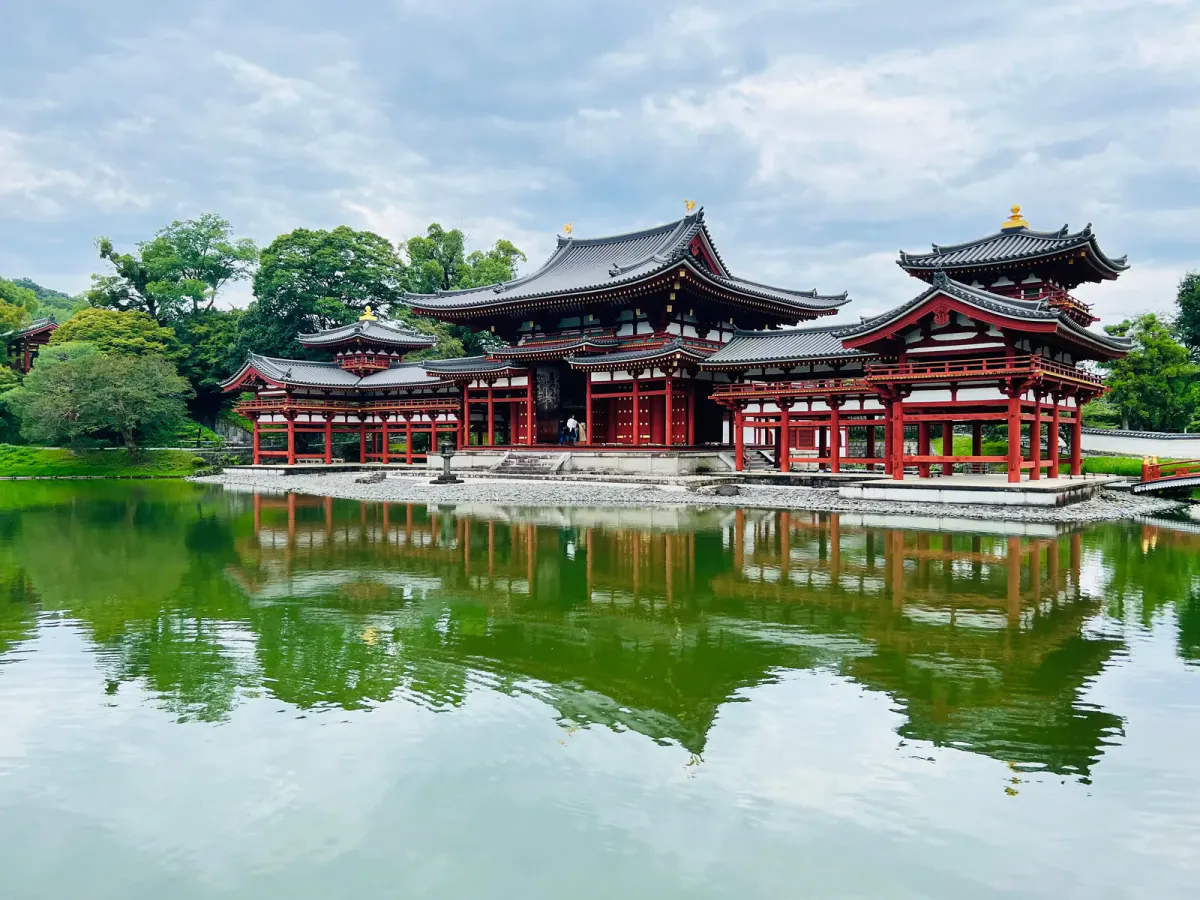
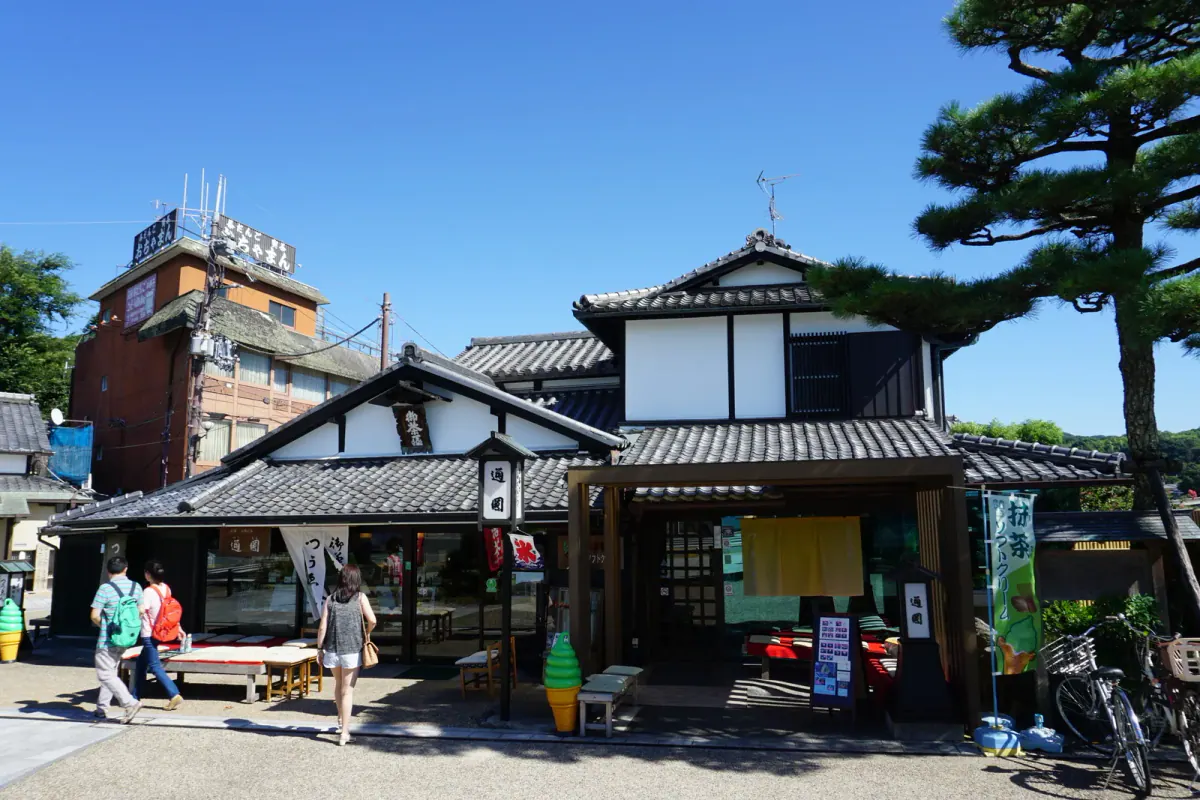
Uji is outside central Kyoto and deserves its own travel allowance. It suits travelers who want tea shops, a river setting and a visit to Byodoin, rather than another circuit through the city's busiest streets. Think of it as a half-day or longer outing, not a small stop squeezed between Arashiyama and a train to Osaka.
Choose what matters most: temple grounds and museum time, tea tasting, shopping for leaves and utensils, or a relaxed meal. A famous matcha dessert queue is optional, not an obligation. Check admission areas and additional access at Byodoin rather than assuming every interior is included.
The saved Kinkaku-ji, Kiyomizu-dera and Uji day-tour option is a multi-stop alternative, not an Uji-only visit or standalone temple admission. Compare departure city, time in each area and inclusions. For a short stay, choose between an Uji outing and another full city area rather than promising yourself both.
Travel details can change. Confirm current schedules, opening hours, reservation rules, prices, and entry requirements with the relevant official provider before booking or traveling.
Related Japan Planning Articles
Travel Tips · Culture · Trip Planning
Must-Know Japanese Phrases for Your Japan Trip
Fukuoka · Activities · Trip Planning · Things To Do
15 Things to Do in Fukuoka: Food, Temples and Coastal Day Trips
Trip Planning · Travel Tips