
What Is Japression? Why You Miss Japan After Coming Home
Japan didn't just become a place you visited. It became somewhere you miss.
In this article
Affiliate disclosure: Some links in this article may earn Japan Trip Planners a commission at no extra cost to you. Recommendations are included when they are genuinely useful for planning, and you should still compare current prices, terms, and official provider information before booking.
What Does Japression Mean?
Nobody really warns you about the weirdest part of a Japan trip. Coming home.
Japression is an informal blend of Japan and depression, used by travelers to describe the sadness, nostalgia or strong longing they feel after leaving Japan. You may also hear it called the post-Japan blues. It is not a medical diagnosis, and not everyone experiences it. In everyday travel conversation, it is a name for that very recognizable feeling of being home while part of your attention is still somewhere else.
Maybe you are glad to see your family and sleep in your own bed. You are also checking the time in Tokyo, scrolling through photos of a station entrance and wondering why the convenience store near your house feels like a personal disappointment. Both things can be true.
Japan didn't just become a place you visited. It became somewhere you miss. Which, honestly, feels a little rude.
For Months, Japan Is Something You Look Forward To
Before the trip, Japan occupies a surprisingly large amount of your life. You research neighborhoods. You watch videos. You save restaurants you might never have enough meals to visit. You check the weather as though refreshing the forecast could personally improve it. You work out train routes, debate hotels and count down the days.
Then suddenly you are there. The places that lived in browser tabs have actual sidewalks. The station you studied has a particular sound. The first uncertain journey becomes the route you recognize without checking every sign.
For a little while, Japan becomes your normal life. You wake up, walk to the station and grab something from the konbini. A train announcement plays. Outside the window are neighborhoods you used to see only online. You begin to recognize the turn back to your hotel and the shop where you bought breakfast yesterday.
Then one evening you are packing your suitcase. The next day you are on a plane. The day after that, the little routine you had just started getting used to is already a memory. That change can feel abrupt, even when the trip was wonderful and you knew exactly when it would end.
It Is Often The Ordinary Things You Miss Most
You might expect to miss the big moments: seeing Mount Fuji, walking through a temple gate or standing above the lights of Tokyo. Those memories matter. But the ones that sneak up on you afterward can be much smaller.
A rice ball you bought because you were hungry. The sound of the crossing near your accommodation. An evening spent wandering without needing the walk to accomplish anything. The first time you understood which platform to use without asking. A shopping street you passed through on the way somewhere else.
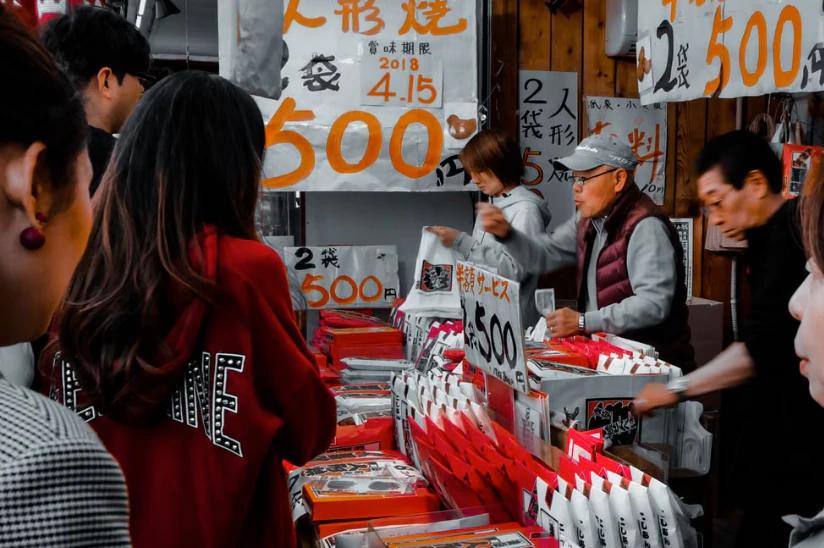
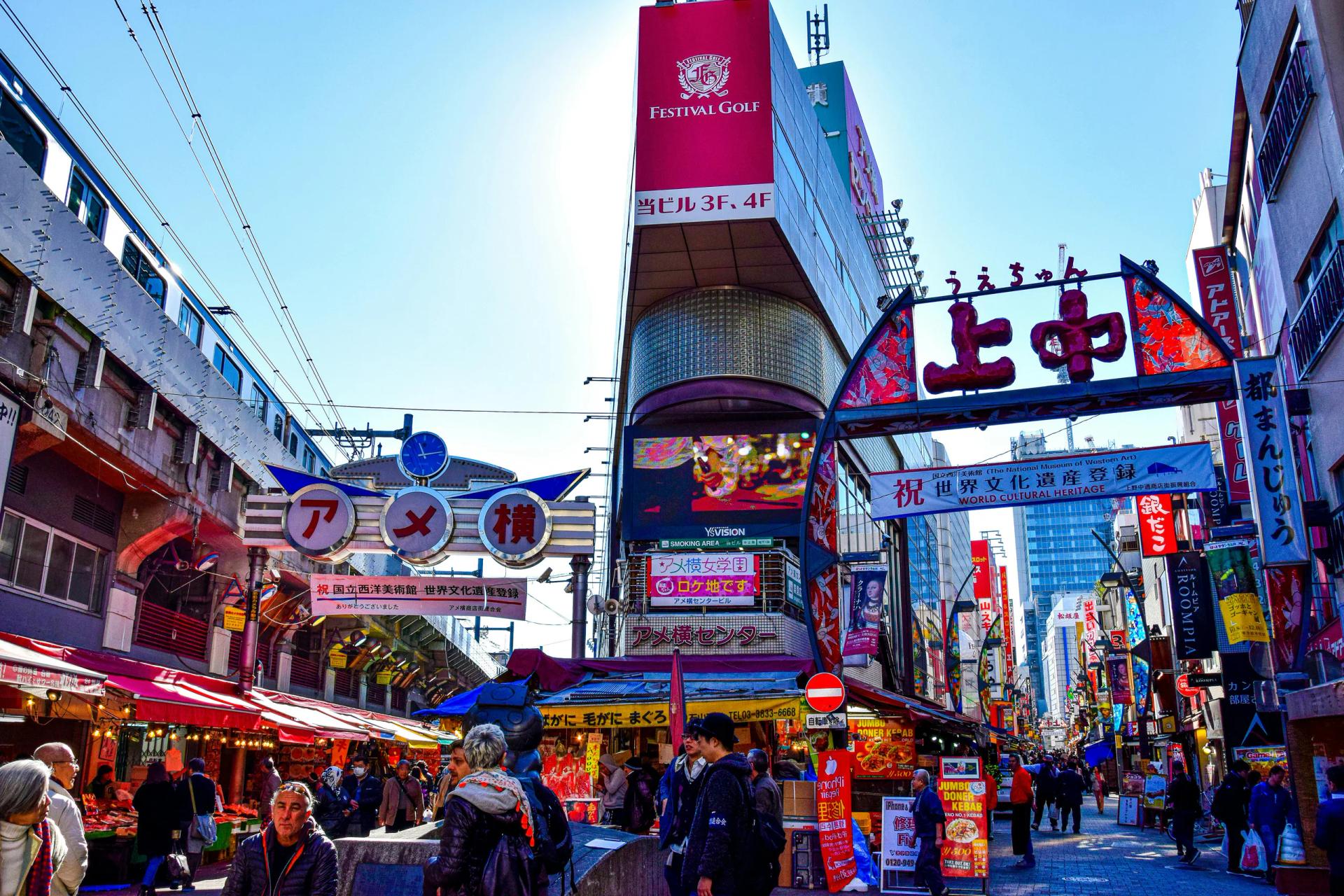
A place such as Ameyoko in Tokyo can leave you remembering more than what you bought. There are the signs, the stalls, the crowd moving around you and the trains overhead. Later, you may miss the whole atmosphere rather than one attraction you could neatly name.
That is part of what makes the feeling difficult to explain. Someone asks what was so good about Japan, and your answer starts with a beautiful garden before somehow ending with an enthusiastic explanation of a convenience-store sandwich.
Why Coming Home Can Feel Strangely Quiet
A long-awaited trip gives your days a clear point on the horizon. Before you leave, there is always another choice to make or something to look forward to. During the trip, even ordinary errands happen against a background of unfamiliar streets and new details. Coming home removes both the countdown and the daily discoveries at once.
You may also miss the version of your day that the holiday made possible. Perhaps you walked more, checked work messages less or paid closer attention to your surroundings. Even a short train ride felt interesting. At home, the same amount of time can disappear into errands without leaving a photograph behind.
That does not mean Japan is perfect or that your home has suddenly become a bad place to live. Visiting a country on holiday is different from living and working there. Japan has everyday pressures, difficult commutes and responsibilities too. You can appreciate the trip deeply without turning its residents' lives into a permanent vacation fantasy.
It helps to ask a more useful question than whether home can compete: what, specifically, did that trip give you that you would like a little more of now? The answer might be walking, curiosity, time with a travel companion or simply having something new to learn.
Familiar Moments If You Have The Post-Japan Blues
These are affectionate travel observations, not a checklist of medical symptoms. If the feeling is familiar, you might recognize a few:
- You open your camera roll to find one picture and emerge twenty minutes later from a very detailed review of your trip.
- You miss foods you had not even heard of a month earlier, and now have surprisingly strong opinions about breakfast.
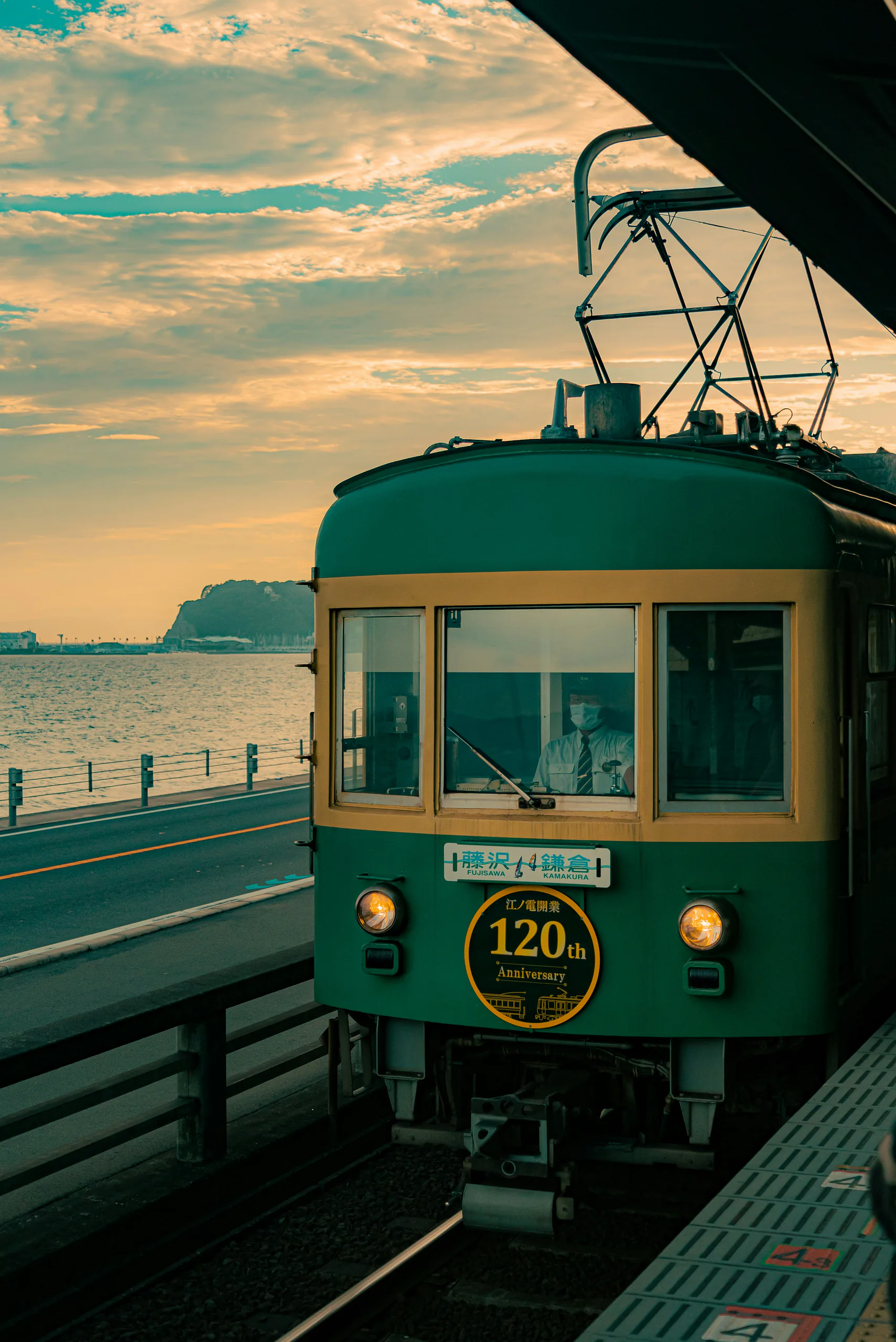
- You hear a train and think about Tokyo, or remember the little coastal railway ride you thought was just a way to get somewhere.
- You walk into a convenience store and immediately begin an entirely unfair comparison with 7-Eleven, Lawson or FamilyMart.
- You start looking at flights again while your bank account quietly requests a meeting.
- Someone asks where you want to go next. You consider giving a varied and adventurous answer. The answer is Japan again.
Bring Some Of What You Loved Into Life At Home
You do not have to erase the feeling to settle back into your life. Start by giving the memories somewhere to go. Choose ten favorite photos rather than trying to sort the entire camera roll in one sitting. Write a sentence beside each one about what happened just outside the frame: what you ate afterward, who was there or why an otherwise ordinary afternoon mattered.
Put a souvenir to work. Drink from the cup you carried home. Use the notebook instead of saving it forever for a special enough occasion. Try making one dish you enjoyed with ingredients you can realistically find, rather than expecting your first attempt to recreate an entire restaurant experience. Invite someone to eat it with you and tell them the story behind it.
If the language interested you, keep learning after the trip. Pick a few phrases you heard often, work on reading a station or menu word you recognized, or practise a short introduction. A regular conversation or class can give that interest a place in your week without turning everything into a countdown to another holiday.
You can also borrow a habit without pretending your town is Tokyo. Take a walk somewhere unfamiliar. Visit a local market. Give an afternoon to a museum, a neighborhood or a cafe you have been meaning to try. You do not need identical scenery to make a little more room for attention and curiosity.
Finally, let other people join the memory without requiring them to become as enthusiastic as you are. Show a friend a small selection of photos instead of a four-hour presentation. Ask your travel companion which unplanned moment they remember. Their answer may bring back something your camera missed.
It Is Fine To Want To Go Back, Without Booking Tonight
Looking at another Japan trip can be enjoyable. It does not have to become an emergency purchase. You can save an idea, compare seasons or make a sensible travel budget without buying a flight while you are still unpacking the last trip.
Make two lists: places you genuinely want to revisit and places you are curious about next time. Keep them separate from reservations. Missing your old hotel neighborhood does not mean you need to reproduce the exact same holiday; being curious about another prefecture does not commit you to fitting it into the next available week.
If the train journeys and unhurried afternoons were what stayed with you, let that shape the next itinerary. Leave space for them rather than responding to the feeling by adding twice as many attractions. Returning in another season, spending longer in one area or visiting a less familiar region can make a second trip feel personal in a different way.
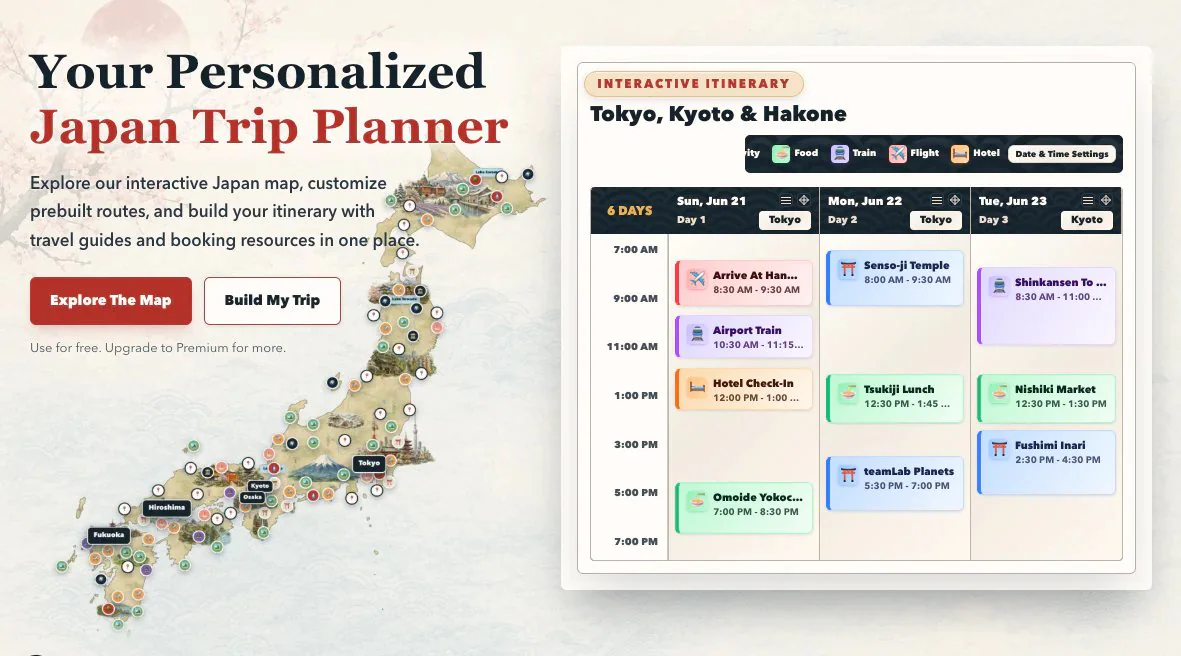
Our interactive map is useful for keeping that wish list in perspective, and our guide to Japan's seasons can help you compare the kind of trip you want. There is no need to choose a departure date today. A future possibility can remain a possibility while you enjoy what is happening closer to home.
Missing Japan Is Not The Same As Clinical Depression
The playful name should not make anyone feel they have to laugh off genuine distress. You can miss Japan for years and still enjoy your everyday life. Persistent sadness, loss of enjoyment or difficulty functioning is a different matter from fondly wishing you were back on holiday.
If low mood lasts around two weeks, affects everyday life or feels difficult to cope with, talk with a qualified healthcare professional. Seek support sooner if you are struggling; there is no requirement to wait. Another trip is not a substitute for care. See the NHS guidance on low mood and when to seek help.
A Few Questions About Japression
Is Japression a Japanese word or a diagnosis? No. It is an informal English blend used in travel conversation, not an official diagnosis or a Japanese medical term.
Does everyone feel sad after visiting Japan? No. Some travelers feel mostly refreshed, some are ready to be home, and others feel a mixture. Your reaction does not measure how good the trip was or how much you appreciated it.
How long does Japression last? There is no fixed timeline for an informal feeling. The affection can remain long after the difficult adjustment has passed. What matters is whether you are enjoying and managing life at home, not whether you still want to visit Japan again.
Maybe You Do Not Need To Stop Missing It
You might never completely get over Japan in the sense of becoming indifferent to it. A certain sound, a meal or a photograph may still bring the trip back years later. That lasting connection can be one of the best things you take home, rather than a problem you have to solve.
The sadness does not have to stay the same size as the affection. You can feel at home again, enjoy other places and still keep a particular corner of your imagination for Japan. Loving one trip does not mean the rest of your life has to compete with it.
Although, admittedly, future holiday discussions may now include a very predictable suggestion: "Yes, that sounds lovely. But we could also go back to Japan."
Travel details can change. Confirm current schedules, opening hours, reservation rules, prices, and entry requirements with the relevant official provider before booking or traveling.