

Things to Do in Osaka: 15 Experiences and Days That Fit Together
Discover Osaka's food streets, skyline views, historic places and memorable experiences, then group them into days that leave time to enjoy the city.
In this article
Affiliate disclosure: Some links in this article may earn Japan Trip Planners a commission at no extra cost to you. Recommendations are included when they are genuinely useful for planning, and you should still compare current prices, terms, and official provider information before booking.
2. Explore Osaka Castle and Its Park
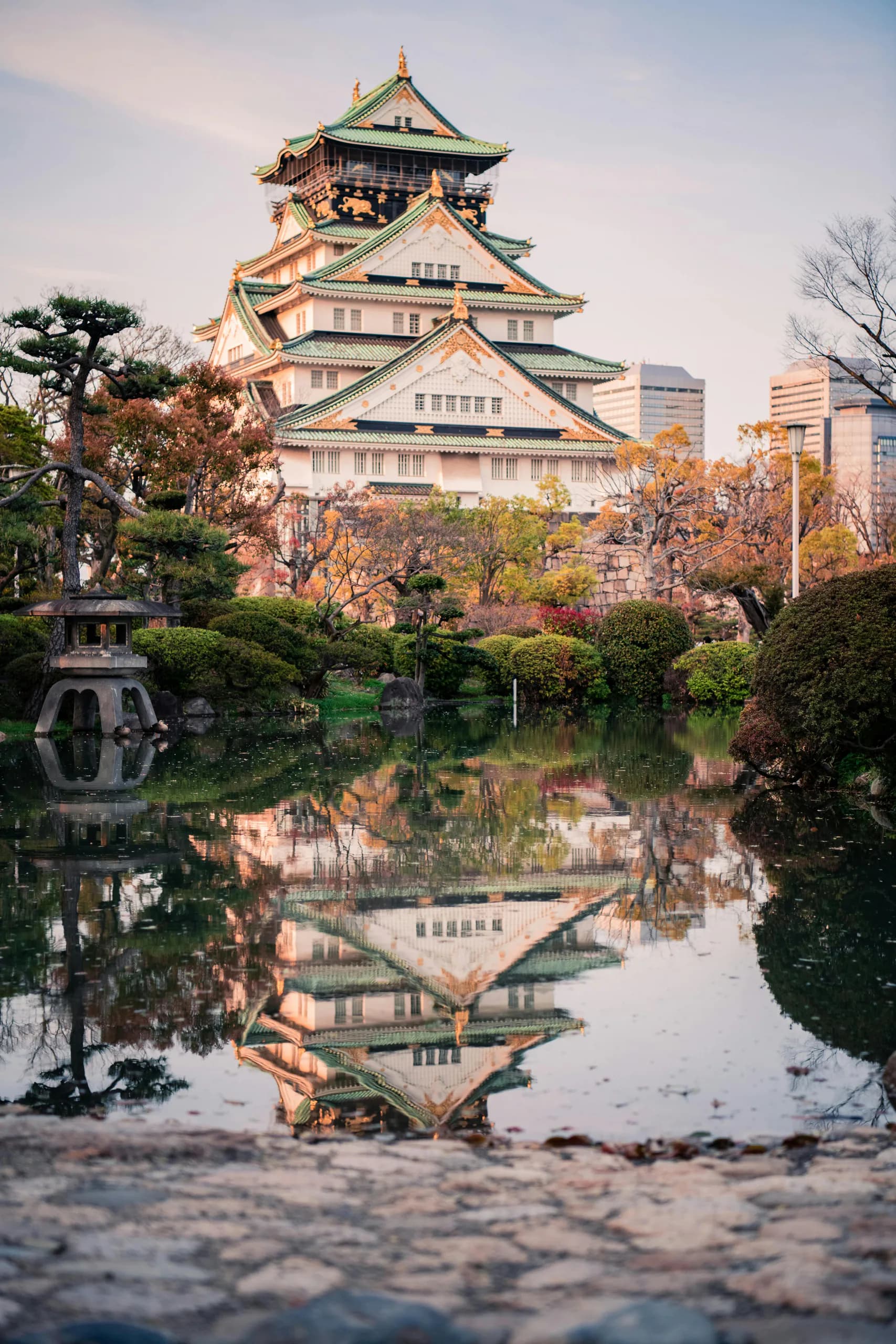
Osaka Castle is worth visiting for its setting as much as the familiar tower: substantial stone walls, moats and broad parkland help explain the scale of the site. The current main tower is a twentieth-century reconstruction containing a museum, not an untouched feudal interior. Go inside for historical exhibits and the outlook, not with the expectation of original wooden rooms.
Plan around two to three hours if you want both the museum and a comfortable park walk. Distances between station exits, gates and the tower are more substantial than a single pin suggests. Pick the entrance and departure station that fit your next stop instead of automatically retracing your steps.
Much of the surrounding public park can be enjoyed without entering the tower. Paid gardens, special events and individual facilities have their own arrangements. If history interests you, the Osaka Museum of History is a more coherent addition than crossing the city for another quick photograph. Otherwise, keep the afternoon flexible.
Check Osaka Castle admission options on Klook. Confirm that the product covers the tower or other area you intend to visit.
3. Make Kuromon Market a Proper Food Stop
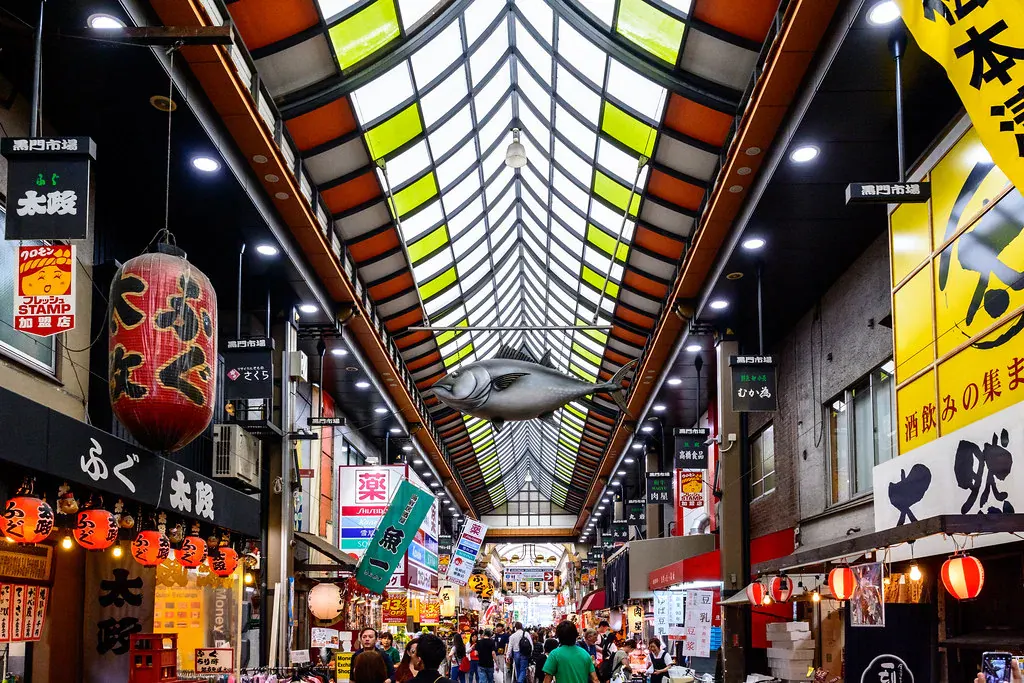
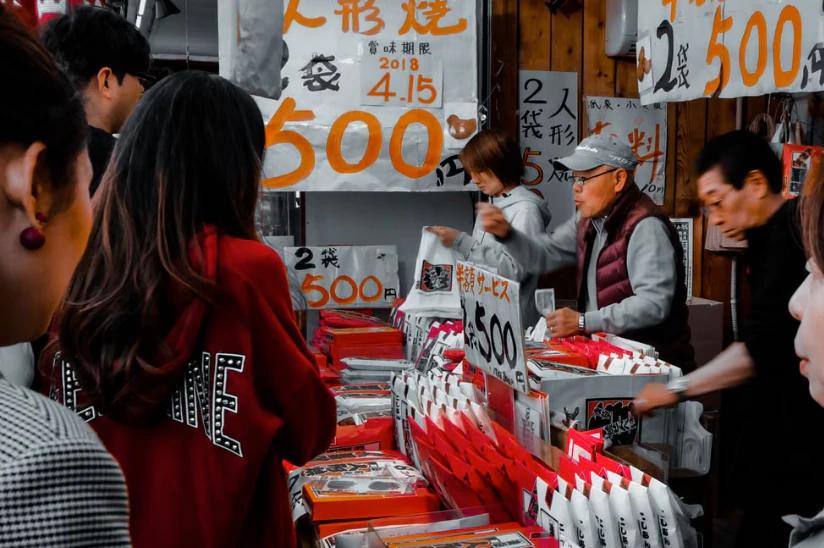
Kuromon Ichiba Market is a good place to browse seafood, produce and prepared food beneath a covered shopping arcade. Treat it as a collection of independent businesses, not one attraction with a universal opening time or menu. Some stalls suit a snack; others make more sense for a substantial meal.
Allow roughly an hour or two, depending on how much you want to eat. Compare displayed prices and portions before ordering, especially for premium seafood or beef. A food budget disappears surprisingly quickly when several small purchases become lunch without anybody noticing.
Use designated eating spaces or follow the seller's instructions rather than eating while blocking the arcade. Ask before photographing people or merchandise. Kuromon combines naturally with the Namba area, Nipponbashi shopping and a later Dotonbori walk. It is a poor reason to interrupt an otherwise well-grouped day in Umeda or the bay.
4. Wander Shinsekai and Decide Whether to Go Up Tsutenkaku
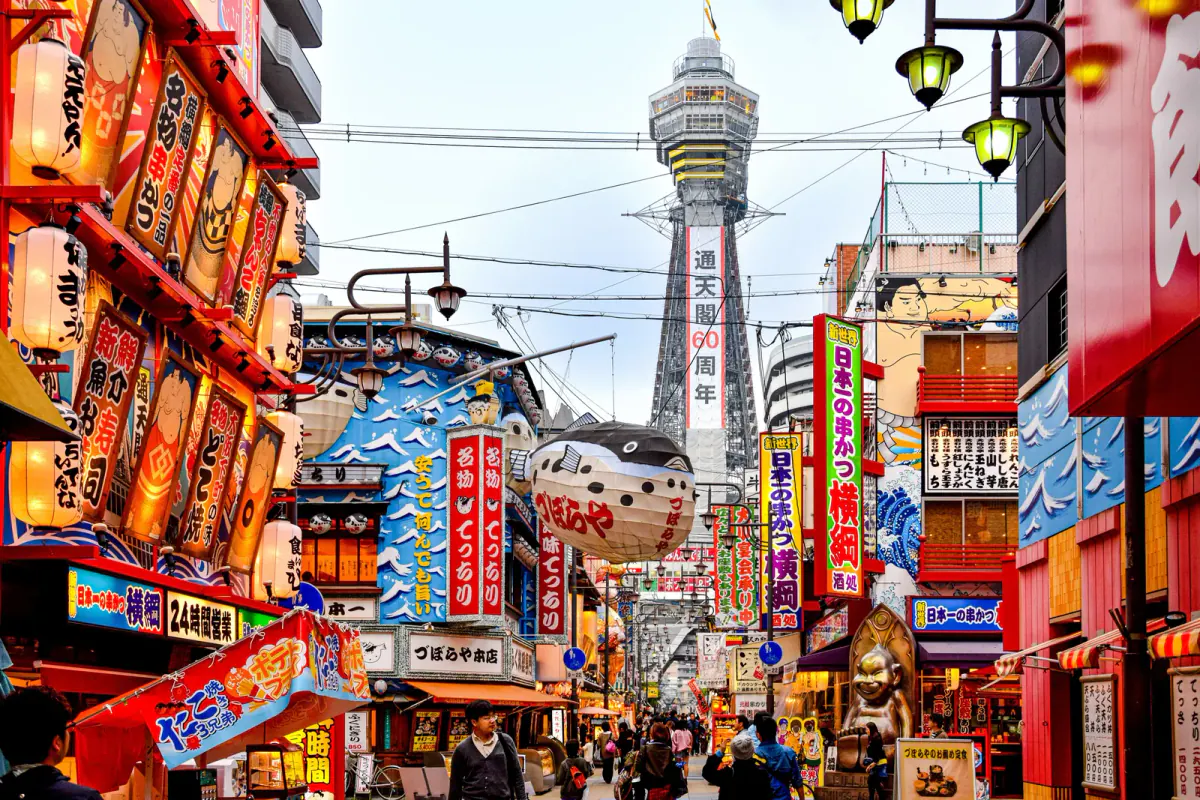
Shinsekai offers a different streetscape from the polished shopping complexes around Osaka Station: bold signs, narrow approaches and views toward Tsutenkaku Tower. Walk through the area and Janjan Yokocho, then sit down for a meal if the atmosphere suits you. It is a neighborhood to experience, not just a tower to tick off.
Give the area around one to two hours before adding a tower visit or dinner. Ordinary street access is free; tower observation areas and optional experiences are separate purchases. Check which level or activity your ticket actually includes, along with any age, height or operating restrictions.
Shinsekai fits well with Tennoji and Abeno. If you are already paying for HARUKAS 300, you may not need a second observation experience the same day. Choose Tsutenkaku for the neighborhood landmark and its particular attractions, rather than assuming every Osaka tower offers the same outing.
Compare Tsutenkaku ticket options on Klook. Check which observation areas or extras are included.
5. Choose Umeda Sky Building for a Skyline Experience
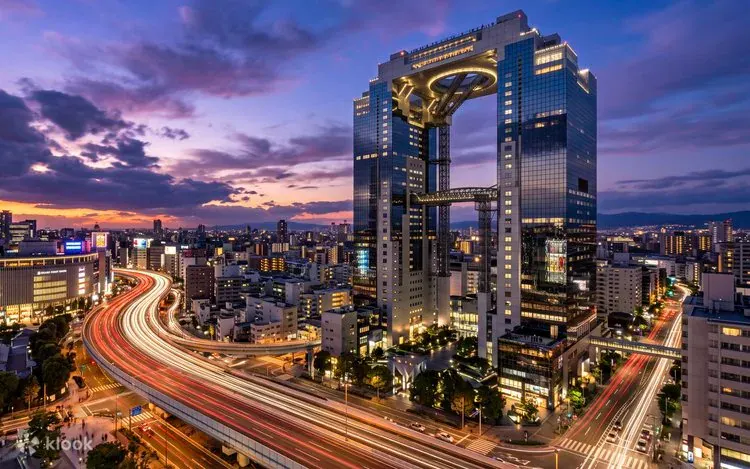
Umeda Sky Building is an appealing choice if architecture and broad city views are high on your list. Its twin towers and connecting upper structure are distinctive even before you reach the observation areas. Build it into a northern Osaka day rather than treating it as a quick detour from any station with Osaka in its name.
Allow around an hour to an hour and a half at the attraction, plus the approach from the Osaka/Umeda station area. That station district is extensive, and a train arrival time is not the same as an observation-deck arrival time. Sunset visits need a buffer for ticketing and queues.
Weather changes the experience. A clear afternoon, blue hour and rainy evening offer different views; no ticket can guarantee visibility. Check the exact access included in a pass or discount, particularly any time restrictions, before arranging the rest of the day around it.
Check Umeda Sky Building admission on Klook. Verify date and entry restrictions for your selected ticket.
7. Visit Kaiyukan and Leave Time for the Bay
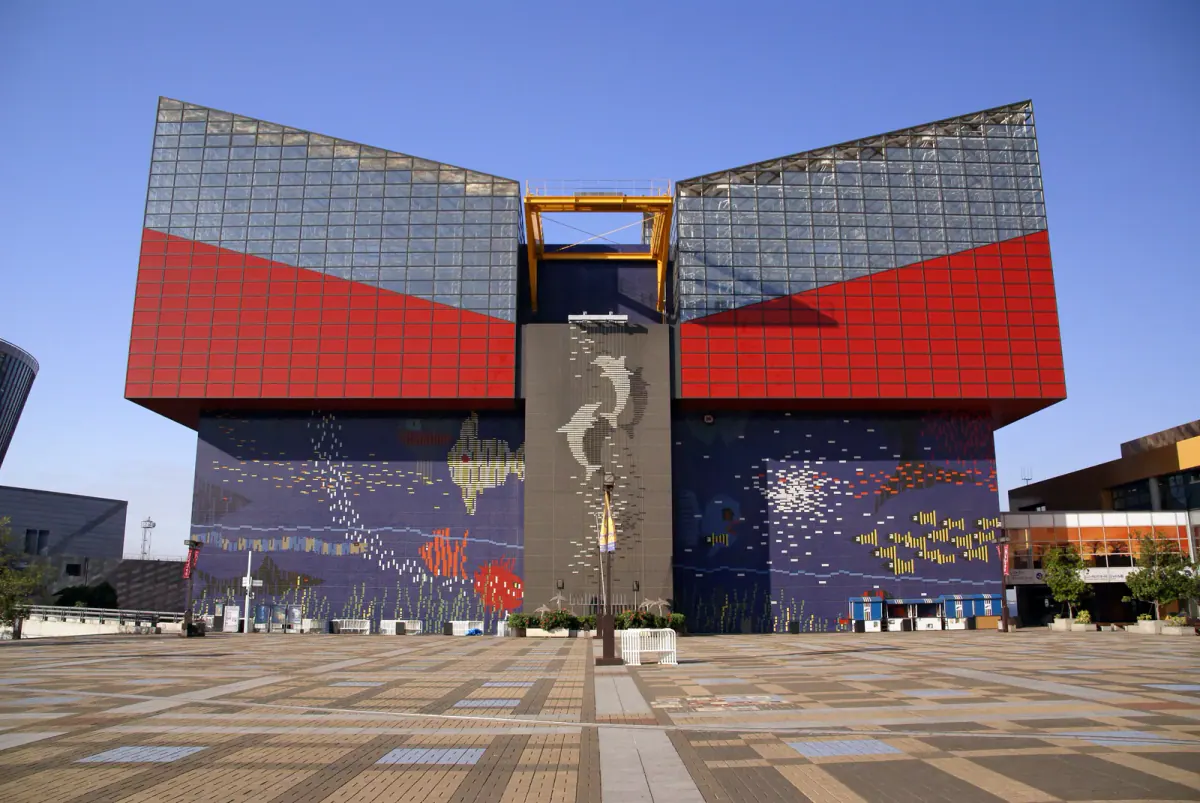
Osaka Aquarium Kaiyukan is a substantial indoor visit, making it useful for families and travelers who want an alternative to another shopping district. Plan roughly two hours inside, with additional time if you enjoy observing the exhibits slowly. The surrounding Tempozan area can extend the outing without requiring another long cross-city transfer.
Check the available admission time before promising the afternoon to somebody else. Kaiyukan manages entry by time slots; a ticket is not a promise that you can arrive whenever you like. Use the venue's current guidance rather than older advice about leaving and re-entering, because arrangements can change.
The aquarium makes a useful wet-weather anchor, but reaching it and exploring the waterfront still involve outdoor time. Add a meal and one nearby activity if you want a relaxed half-day. Do not assume the aquarium, USJ and every other bay attraction form one easy walking circuit.
Check Kaiyukan ticket options on Klook. Confirm the selected date, entry time and current venue terms.
8. See the City from HARUKAS 300
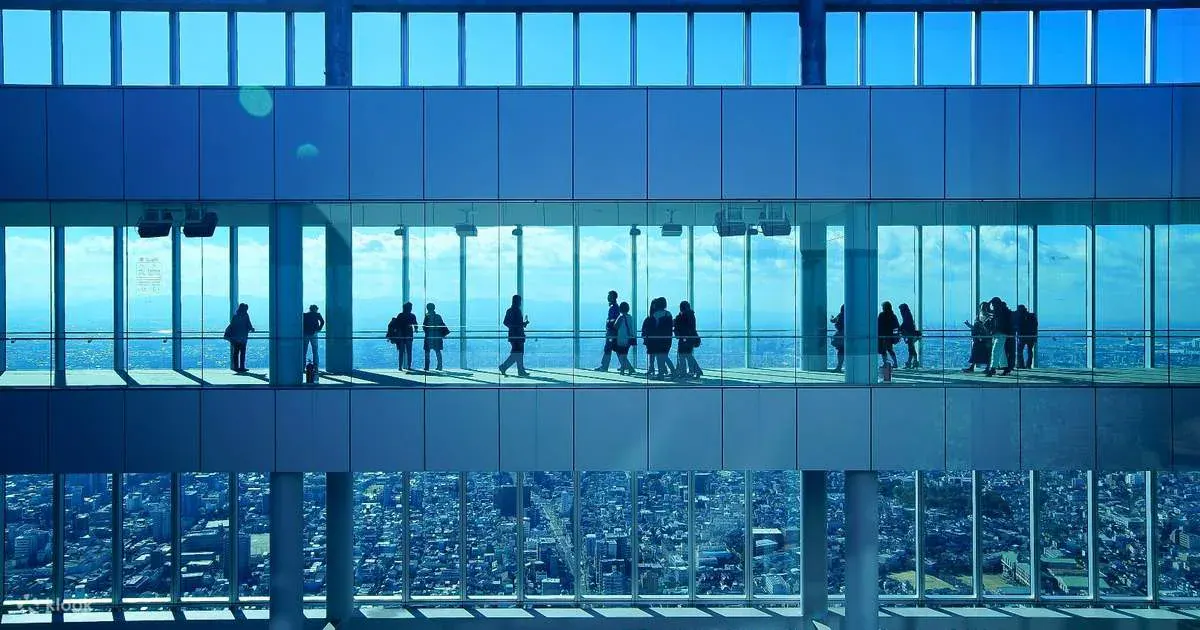
HARUKAS 300 is another strong skyline option, especially if your day already centers on Tennoji and Abeno. The observation space offers a different vantage point from northern Osaka. Choose it because it fits your route and interests, not because a trip needs every famous viewpoint.
Allow around an hour, longer if you want to linger over the changing light. Poor visibility can reduce the value of a view-focused ticket, so balance advance booking against your flexibility. Special experiences, dining and ordinary observation admission may have different inclusions.
Combine it with Shitenno-ji, a chosen Tennoji-area stop or Shinsekai, allowing for actual walking and transport. If the group is tired, the view and dinner can be the evening's main events. You do not need to add Dotonbori again just because it appears in every Osaka itinerary.
Check HARUKAS 300 admission on Klook. Compare standard admission with any separately priced experience.
9. Slow Down at Shitenno-ji
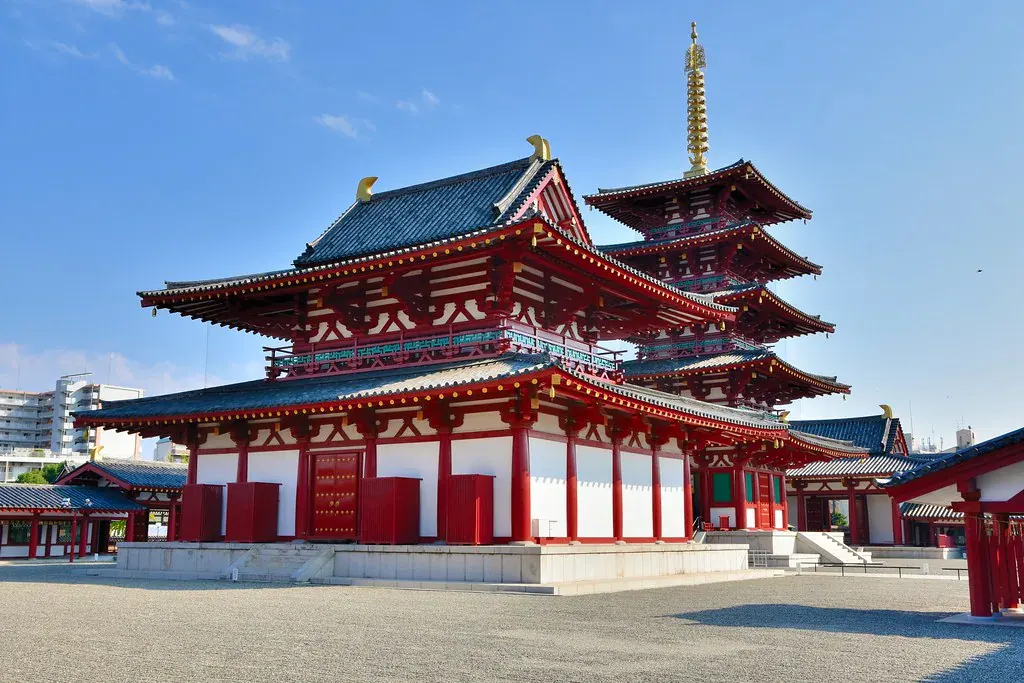
Shitenno-ji offers a calmer counterpoint to Osaka's brightest commercial streets. Its temple buildings, courtyards and pagoda give a history-focused visit a clear reason to leave the shopping districts. Approach it as an active religious place, with appropriate behavior around worship and ceremonies.
Allow roughly an hour, or longer for particular paid areas or an event that genuinely interests you. Public approaches and paid precincts are not interchangeable; check which spaces are open on your date. Follow photography signs inside rather than assuming outdoor rules apply everywhere.
This is a natural companion to a Tennoji-area day. A temple visit, lunch, a park or museum and one evening viewpoint is already a satisfying structure. You can keep Osaka varied without adding another city to the calendar.
10. Find a Different Osaka at Sumiyoshi Taisha
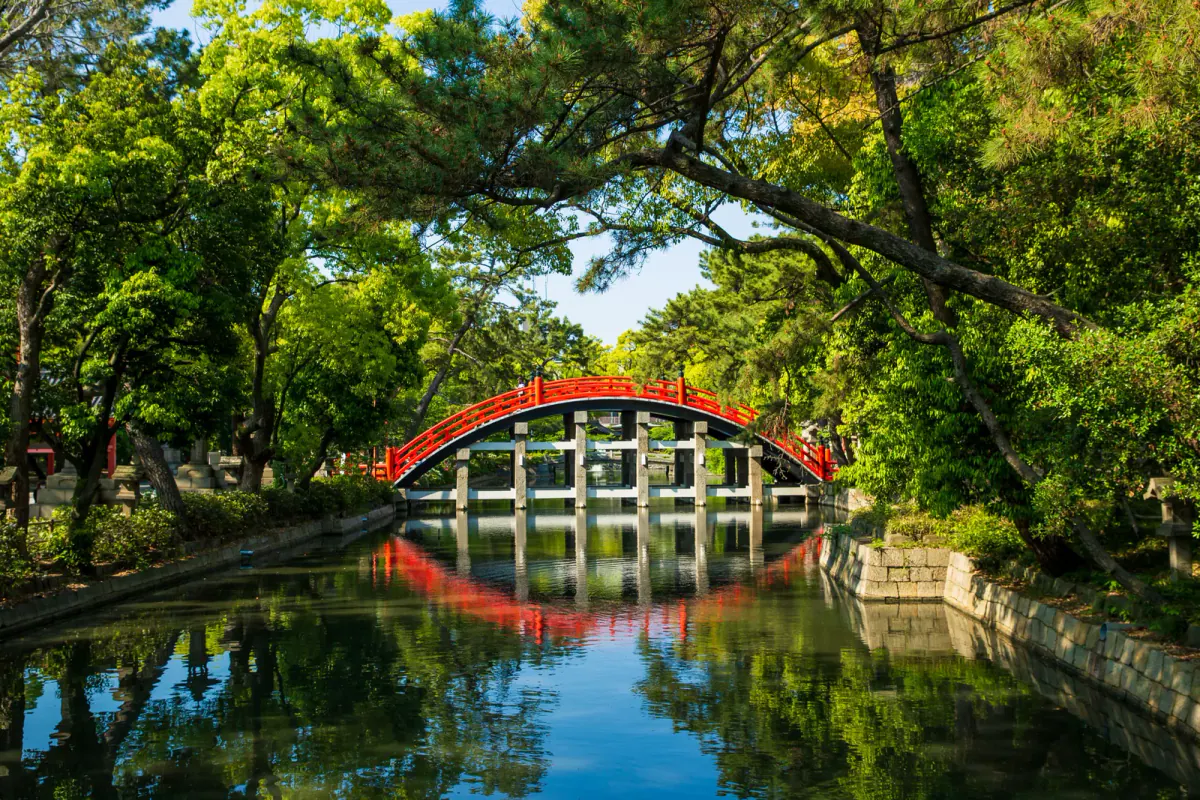
Sumiyoshi Taisha is a rewarding choice for travelers who want shrine architecture and a more reflective outing beyond the main central sightseeing circuit. The arched bridge and wooded setting are memorable, but give the grounds time rather than treating the bridge as a prop for a photograph.
Allow about an hour at the shrine, plus the journey from your accommodation. Steps and the bridge's steep shape are relevant if anyone has mobility limitations; check an appropriate alternative approach instead of assuming the most photographed route is essential.
Keep ceremonies and worshippers' access clear. If the shrine is your main interest, plan a quieter southern Osaka block around it. It is not next door to every attraction marketed under the Osaka name, and a crowded festival date can create a very different visit from an ordinary weekday.
11. Visit Namba Yasaka Shrine Without Rushing the Setting
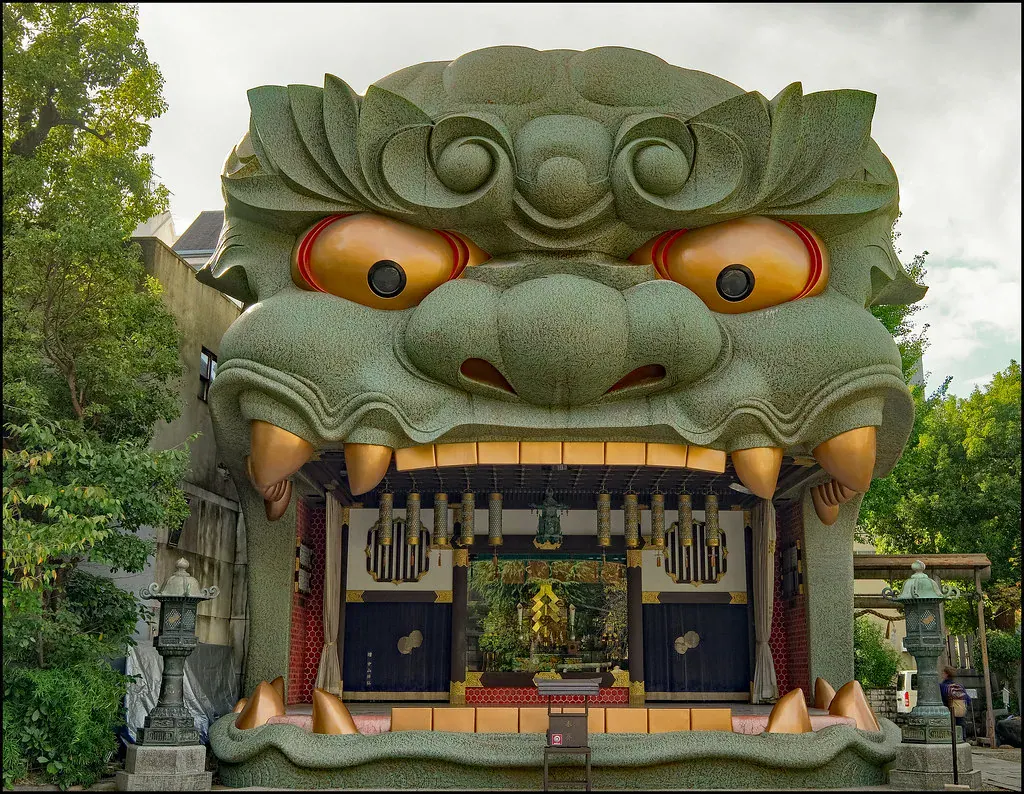
Namba Yasaka Shrine is known for its striking lion-head stage. It is a compact stop that works well when you are already exploring the Namba area, rather than a reason to cross the whole city. Allow around half an hour, with flexibility for your pace and any ceremonies.
Remember that the shrine is more than the photograph. Keep voices low, respect worship and do not obstruct the approach while framing a shot. The grounds are an easy way to add a cultural pause between food and shopping, but verify visiting hours before making it a late-night plan.
12. Experience teamLab Botanical Garden Osaka at Night
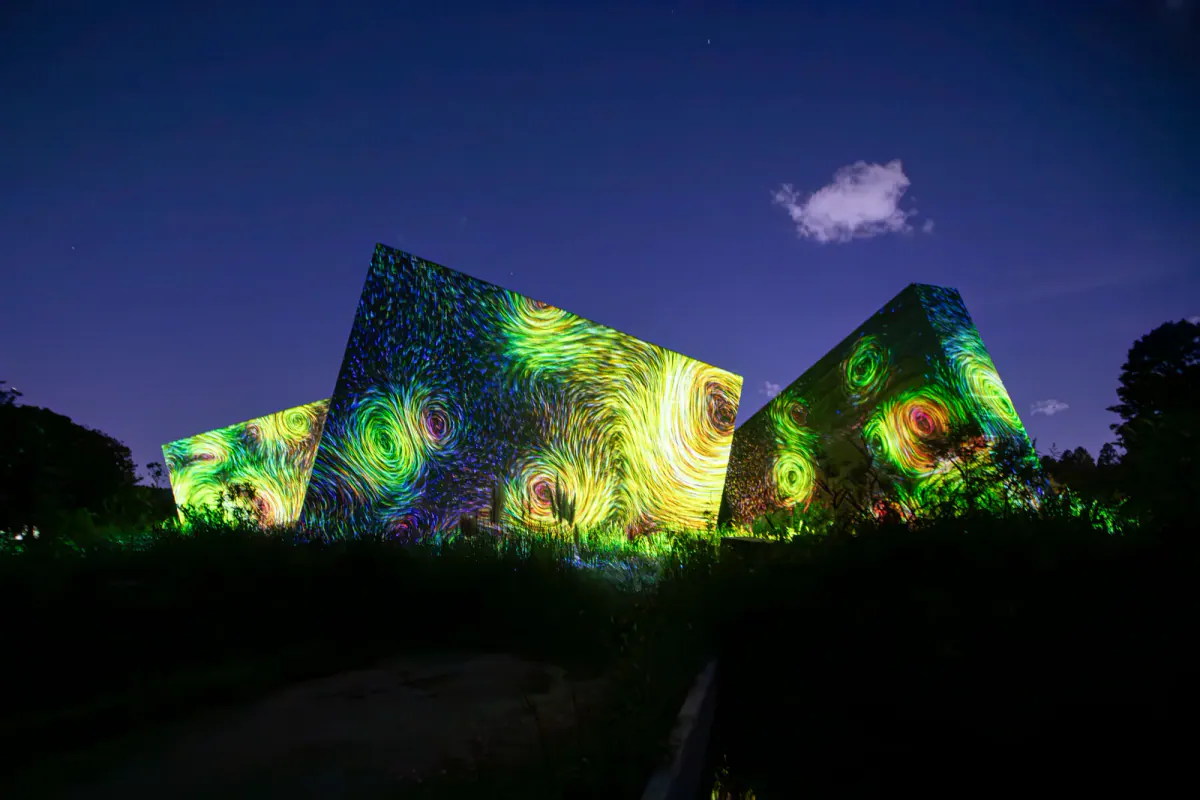
teamLab Botanical Garden Osaka turns a garden setting into an outdoor nighttime art experience. It is not an indoor digital-art museum, and it is not the same venue as teamLab's Tokyo experiences. That distinction matters when deciding what to pack, where to stay and which ticket to purchase.
Give it a dedicated evening block, allowing around one to two hours according to your pace and the operating window. Check the current schedule and weather notices before travel. Wear shoes suitable for outdoor paths, and prepare for rain or temperature changes rather than assuming a weatherproof interior.
Nagai is south of the central Namba and Umeda areas. Have dinner at a practical time and plan the return journey before entering. An outdoor evening experience can be wonderful, but it is a poor last-minute rainy-day substitute for somebody specifically seeking indoor activities.
Check teamLab Botanical Garden Osaka tickets on Klook. Confirm that Osaka is the venue and review weather guidance before going.
13. Pair Nakanoshima Art with a Riverside Walk
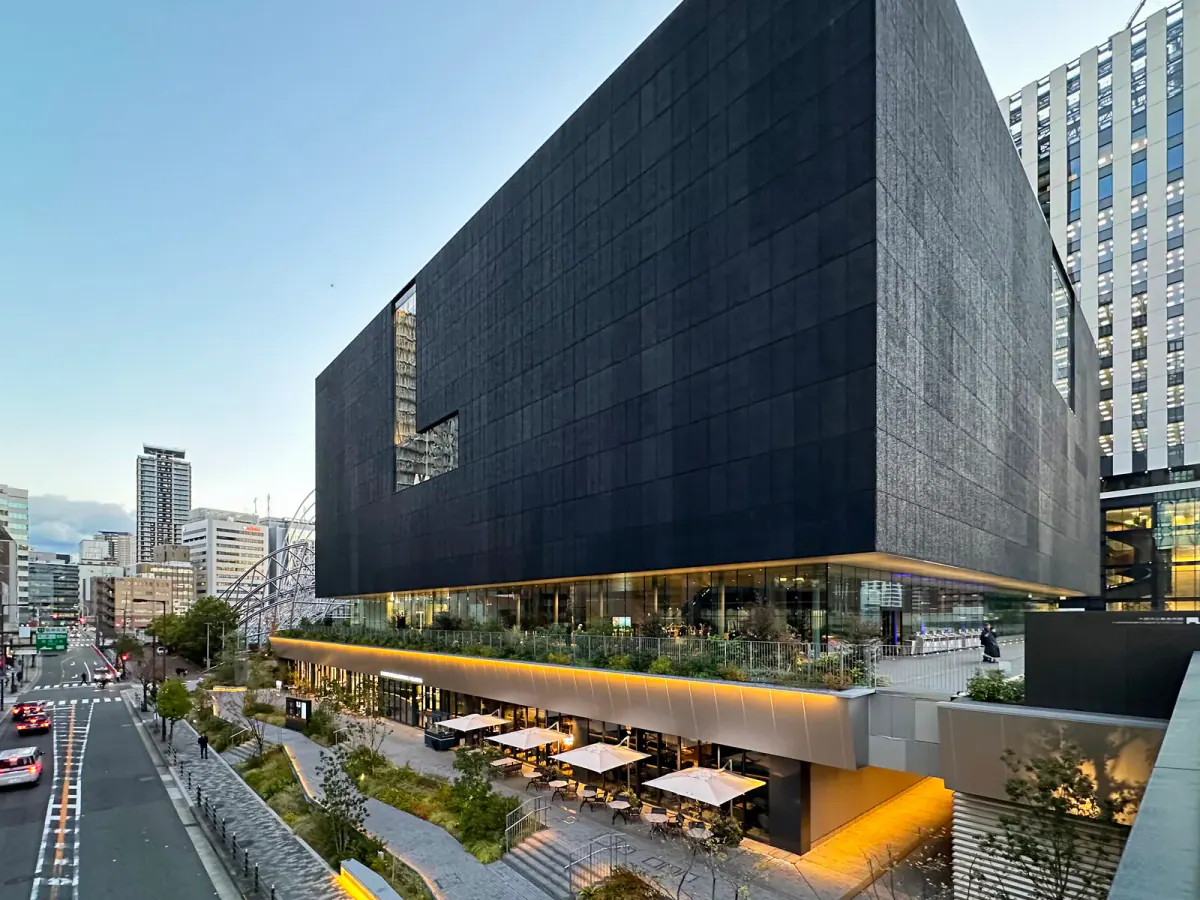
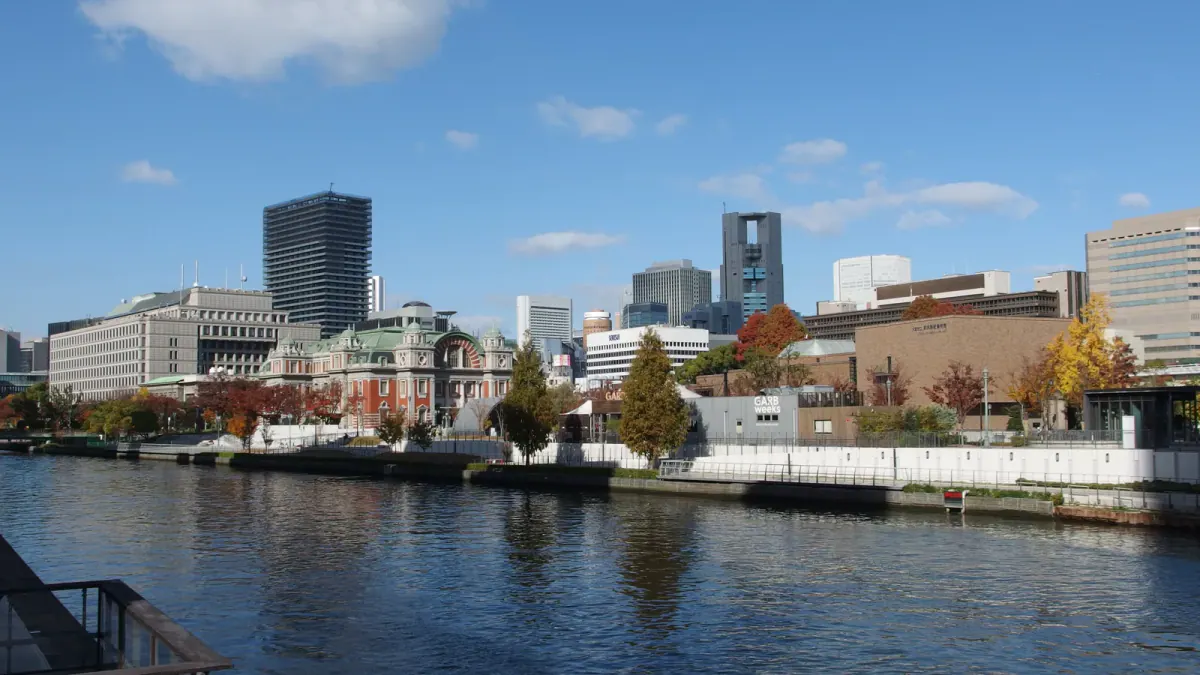
Nakanoshima is a good choice when you want to balance food streets and observation decks with art, architecture and water-level city views. Choose a museum because its current exhibition interests you, then leave time for a riverside walk and a proper break. You do not need to enter every nearby institution.
The Nakanoshima Museum of Art and the National Museum of Art, Osaka are different museums. Check the address, exhibition, closure day and ticket conditions carefully so a booking or map pin takes you to the institution you intended. A gallery day is not automatically available every Monday or public holiday.
Allow a half-day for a substantial exhibition, lunch and the surrounding area. If the weather improves, shorten the indoor portion rather than treating the museum ticket as a command to stay all afternoon. This works especially well for repeat visitors seeking a different rhythm from the usual first-trip highlights.
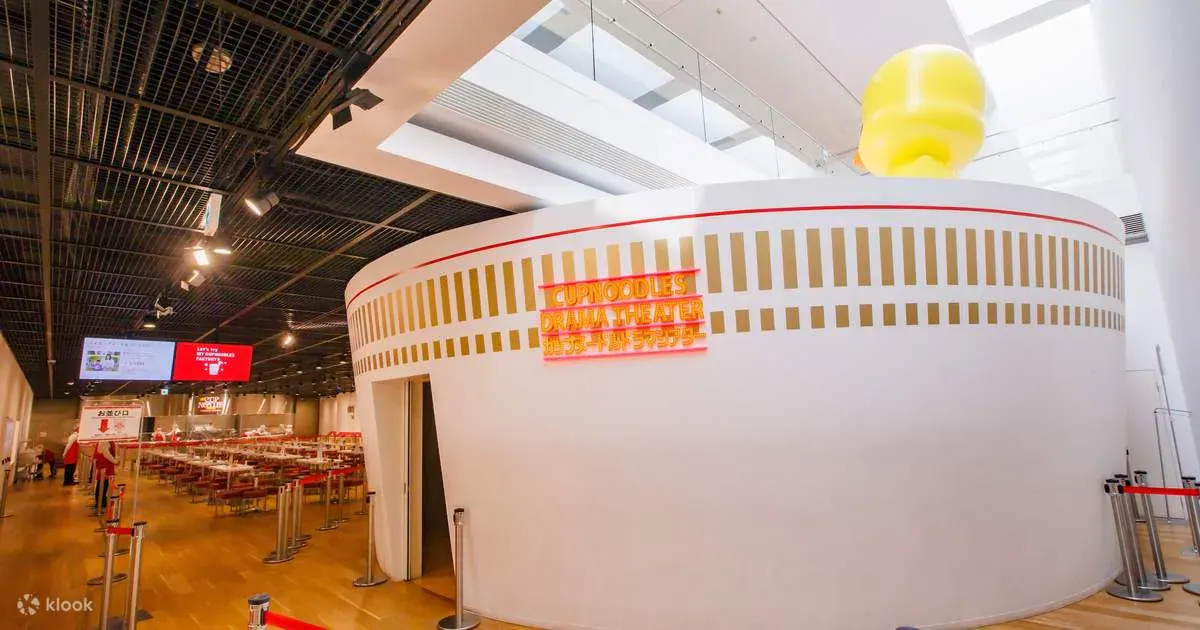
14. Make an Ikeda Outing of the CUPNOODLES MUSEUM
The CUPNOODLES MUSEUM OSAKA IKEDA makes food history tangible, with displays and hands-on experiences centered on instant noodles. It is in Ikeda, outside central Osaka City, so plan the journey rather than inserting it into a spare hour beside Dotonbori.
Workshop arrangements differ. Chicken Ramen Factory uses reservations, while My CUPNOODLES Factory has its own current participation rules and availability. Check the Osaka Ikeda museum's instructions, not those for Yokohama, before promising an activity to children or buying a ticket elsewhere.
A half-day block gives more breathing room for travel and the experience than a rapid there-and-back visit. Age rules, accompanying-adult requirements, closures and dietary suitability matter. If a specific workshop is the reason you are going, confirm that activity first and fit other sightseeing around it.
Use the Osaka Ikeda museum's workshop instructions when checking participation and reservation requirements.
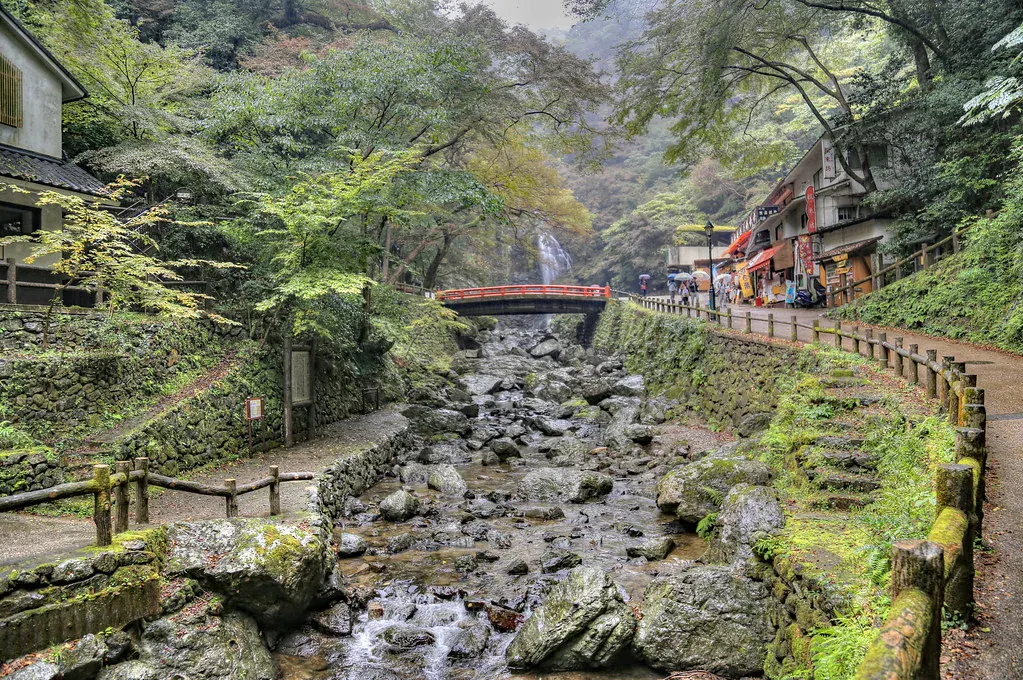
15. Trade the City Streets for a Minoh Walk
Minoh offers a greener outing north of the central city, with a walking approach toward the waterfall and a very different atmosphere from the neon streets. It is a good choice if your group enjoys walking and wants a break from ticketed attractions. Autumn can be particularly appealing, but seasonal scenery and crowd levels vary.
Give the trip a half-day rather than counting only the time beside the falls. The approach, return walk, station connections and a meal all belong in the plan. Comfortable shoes, water and current path or weather information are more important than collecting another attraction pin.
Do not assume every nearby-looking temple or forest stop connects by a short, easy path. If you also want Katsuo-ji, check its separate transport and walking requirements before combining them. Severe weather, heat and access restrictions can turn a good nature day into a poor choice; keep an indoor alternative available.
Travel details can change. Confirm current schedules, opening hours, reservation rules, prices, and entry requirements with the relevant official provider before booking or traveling.
Related Japan Planning Articles
Travel Tips · Culture · Trip Planning
Must-Know Japanese Phrases for Your Japan Trip
Fukuoka · Activities · Trip Planning · Things To Do
15 Things to Do in Fukuoka: Food, Temples and Coastal Day Trips
Trip Planning · Travel Tips