
10-Day Japan Itinerary for First-Time Visitors
Spend four nights in Tokyo, three in Kyoto, and two in Osaka. This first-time route makes room for the big sights, a Nara day trip, and the travel time between them.
Affiliate disclosure: Some links in this article may earn Japan Trip Planners a commission at no extra cost to you. Recommendations are included when they are genuinely useful for planning, and you should still compare current prices, terms, and official provider information before booking.
What is a good 10-day Japan itinerary for a first visit?
For a first visit, our recommended 10-day Japan itinerary is Tokyo on Days 1-4, Kyoto on Days 5-7, and Osaka on Days 8-10, with a Nara day trip on Day 9. Stay four nights in Tokyo, three in Kyoto, and two in Osaka. Arriving in Tokyo and departing from Kansai Airport keeps the route moving in one direction.
The appeal is variety without a hotel change every morning: Tokyo neighborhoods and city views, Kyoto temples and traditional streets, Osaka food and evening walks, and a day among Nara's historic sights. It is still an active trip, so each day below has a main focus rather than a list you must finish.
Day 1 is your arrival date in Japan and Day 10 is your departure date. Long-haul flight days outside Japan are not extra sightseeing days. If you have ten full sightseeing days plus arrival and departure, add that extra time to your favorite base instead of squeezing it into this nine-night booking plan.
Your 10 days in Japan at a glance
Use these overnight locations when booking hotels. The activities are flexible; the night count is not.
- Day 1: Arrive in Tokyo, settle in, and eat near your hotel. Sleep in Tokyo.
- Day 2: Asakusa, Senso-ji, and Ueno. Sleep in Tokyo.
- Day 3: Meiji Jingu, Harajuku, and Shibuya. Sleep in Tokyo.
- Day 4: A flexible Tokyo day for your interests or a chosen day trip. Sleep in Tokyo.
- Day 5: Train to Kyoto, luggage drop-off, and Fushimi Inari if time allows. Sleep in Kyoto.
- Day 6: Kiyomizu-dera, Higashiyama, and Gion. Sleep in Kyoto.
- Day 7: Arashiyama and a relaxed final Kyoto evening. Sleep in Kyoto.
- Day 8: Move to Osaka, choose one daytime area, and explore Dotonbori. Sleep in Osaka.
- Day 9: Nara day trip, then return to Osaka. Sleep in Osaka.
- Day 10: Transfer to Kansai Airport and depart. No hotel night included.
Where to stay: four Tokyo nights, three Kyoto nights, two Osaka nights
Tokyo, nights 1-4: choose a hotel near a station that works for your airport transfer. Ueno suits the east-Tokyo day; Shinjuku or Shibuya suits travelers who want busy evenings; Tokyo Station and nearby areas can simplify the onward Shinkansen journey. The right station exit and the walk with luggage matter more than a hotel describing itself as central.
Kyoto, nights 5-7: Kyoto Station is practical for arrival and rail connections. Shijo/Karasuma or the Kawaramachi area may suit you better for meals and evening walks. Check how you will reach the actual hotel from the station, especially if stairs or long walks are difficult.
Osaka, nights 8-9: Namba makes sense for Dotonbori evenings and the Nankai route to Kansai Airport. Umeda suits a different set of rail connections and shopping areas. Osaka Station, Shin-Osaka Station, and Namba are not interchangeable, so save the exact station name in your plan.
For fewer hotel moves, keep Tokyo for four nights and Kyoto for five, visiting Osaka and Nara as separate day trips. That saves one check-in but adds return journeys and a longer final airport transfer. Compare the full route before choosing. Our Japan accommodation guide covers the checks to make before booking.
Day 1: arrive in Tokyo and keep the evening easy
Your first task is getting from Haneda or Narita to your hotel, not reaching a famous attraction. Save the hotel address, station exit, and transfer instructions before departure. Allow for immigration, baggage collection, connectivity setup, and finding the correct train or bus. Do not make a nonrefundable sightseeing reservation depend on an on-time landing.
Ask whether the hotel can hold bags before check-in. Then choose a simple meal and a short walk nearby. If you arrive late, dinner and sleep are a complete Day 1; you have three more Tokyo days. If you arrive early and feel good, add something you can abandon without losing money.
Before bed, check tomorrow's weather, charge your phone, and look up the journey to Asakusa. Starting the next morning prepared is more useful than trying to beat jet lag with an exhausting first night.
Day 2: Asakusa, Senso-ji, and Ueno
Begin in Asakusa with Senso-ji and the surrounding streets. An early visit suits a quieter walk, but shops do not all open when the temple grounds become accessible. Have breakfast first if shopping is part of your plan, and leave time for a riverside stroll rather than rushing straight to the next station.
After lunch, travel to Ueno. Choose the park and Ameyoko shopping streets, or make one museum your main afternoon activity. Check its opening day before committing: a museum visit is not a reliable rainy-day backup unless it is actually open.
Keep dinner in the same part of the city or near your hotel. If Tokyo Skytree is a higher priority than Ueno, replace the afternoon with the Skytree area. Asakusa, a substantial museum visit, Skytree, and a distant evening reservation would make this a very different, much busier day.
Day 3: Meiji Jingu, Harajuku, and Shibuya
Start with Meiji Jingu, then explore Harajuku or Omotesando at your own pace. This gives the day a contrast between wooded shrine approaches and busy shopping streets without repeatedly crossing Tokyo. Pick the shops, architecture, or cafes that interest you instead of treating every street as a required stop.
Spend the afternoon in Shibuya. The crossing is a quick experience rather than a half-day activity; give the rest of the time to browsing, lunch, and a neighborhood walk. If a city-view attraction such as Shibuya Sky is important, secure your preferred time first and arrange the afternoon around it. Outdoor viewing areas can be affected by weather.
Stay in Shibuya for dinner. Shinjuku can be an alternative evening, but it is another transfer and another large station to navigate. With children, tired legs, or an early start tomorrow, leave it for Day 4.
Day 4: choose the Tokyo day that fits your interests
Keep your last full Tokyo day for something that makes the trip yours. Choose one of these versions rather than combining them:
- Food and shopping: explore Tsukiji's outer-market area, then Ginza. This is the outer market, not a visit to the wholesale tuna auction.
- Art or an immersive attraction: choose a specific exhibition or teamLab venue and build the day around its actual address and ticket time. Different teamLab venues are not in the same neighborhood.
- Anime, games, or electronics: make Akihabara your main area and leave room for browsing.
- A day outside Tokyo: choose Kamakura if coastal and temple sightseeing matters more to you than another city day. Budget for the round trip instead of adding it to a full Tokyo schedule.
A Mount Fuji-area outing can replace this day, but it needs more planning and a weather decision. There is no guaranteed Fuji view, and trying to include both Hakone and the Fuji Five Lakes in one casual day adds substantial travel. See the route adjustments below before booking.
Our things to do in Tokyo guide can help narrow your choices. Pack tonight so tomorrow starts with a straightforward hotel check-out.
Day 5: Tokyo to Kyoto, then Fushimi Inari
Book a morning Shinkansen journey from Tokyo or Shinagawa to Kyoto. Reserve roughly half the day in your itinerary for the whole move: packing, check-out, reaching the platform, the train ride, finding your next hotel, and storing bags. That is a planning allowance, not the train's scheduled running time.
After lunch and luggage drop-off, visit Fushimi Inari if your energy and arrival time allow it. From Kyoto Station, use a JR Nara Line service that stops at Inari. Check the stopping pattern instead of boarding any train with Nara on its destination display.
Explore the shrine's lower paths and torii gates, then decide how far to walk. You do not need to complete the mountain circuit for the visit to count, and the longer walk involves steps and more time. If the transfer runs late, have a quiet Kyoto evening and move a shorter Fushimi Inari visit to another day by removing an optional stop.
Day 6: Kiyomizu-dera, Higashiyama, and Gion
Make eastern Kyoto today's focus. Visit Kiyomizu-dera, then work through the surrounding Higashiyama streets with breaks for food and browsing. Start early if this is your main priority, but check the temple's current opening hours and be prepared for shops to open later.
Continue toward Yasaka Shrine and Gion as your energy allows. This is a walking-heavy day with slopes, steps, and busy lanes; it is not an accessible route by default. Travelers using wheelchairs or strollers should check the approach and access arrangements for individual stops, and reduce the number of places rather than assuming the route is flat.
In Gion, follow signs about private roads and photography, stay out of restricted areas, and never stop or follow geiko or maiko for a photograph. Plan dinner around a public street or a confirmed restaurant, not access to residential alleys. For a slower afternoon, stop after the Higashiyama area and return later for dinner.
Day 7: Arashiyama and a slower Kyoto evening
Travel to Arashiyama for a western-Kyoto day. Choose the bamboo grove, the riverside area around Togetsukyo Bridge, and one temple or garden such as Tenryu-ji. The bamboo path itself is only part of the outing; the day works better when you allow time to explore nearby instead of arriving for one photograph and leaving.
Book a boat ride, scenic railway, or other timed experience only if it is a genuine priority. Those activities have separate operating conditions and reservations, and they change the shape of the day. Do not assume you can fit all of them around a full temple itinerary.
Return to central Kyoto for a relaxed final evening. Kinkaku-ji can replace part of your Arashiyama plan if it matters more to you, but it is a separate journey, not a stop just around the corner. A good final Kyoto afternoon might simply be tea, a garden, and time to revisit a street you liked.
Day 8: move to Osaka and enjoy Dotonbori
Check out of Kyoto and travel to your Osaka hotel. Choose the train route using both hotels' locations: a conventional JR, Hankyu, or Keihan journey may be more practical than taking the Shinkansen to Shin-Osaka and then backtracking. Leave bags with the hotel if it offers storage.
Choose one main afternoon area. Osaka Castle Park suits an outdoor walk, with the castle museum an optional paid visit. Umeda suits shopping and a city-view experience. Neither needs to become a race through every Osaka attraction.
Spend the evening around Dotonbori and nearby Namba streets. Pick a few foods you actually want to try, such as takoyaki or okonomiyaki, and leave room for an unplanned stop. Famous storefronts can have long queues; a nearby alternative is often a better use of your evening than waiting for one particular photo.
Use our Osaka guide to choose your daytime area. Today is a hotel-move day, so a full theme-park visit belongs on a replacement day, not on top of this schedule.
Day 9: a Nara day trip from Osaka
Leave your suitcase at the Osaka hotel and take a day bag to Nara. Kintetsu-Nara is convenient for walking into the park area, while JR Nara is a different station with a different approach. Choose the route from your actual hotel and note which station you will use for the return.
Make Todai-ji and the surrounding Nara Park area your main outing. Add Kasuga Taisha or a walk through Naramachi only if you have enough time and energy. The park covers a substantial area, so a map full of nearby-looking pins can still mean a lot of walking.
Give the deer space, supervise children, and follow posted feeding guidance. These are free-roaming animals, not guaranteed gentle photo props. Keep food and loose belongings secure, and step away if an encounter feels uncomfortable.
Return to Osaka for dinner and packing. If you are tired of temples or need a rest, replace Nara with a slower Osaka day. That is a sensible adjustment, not a failure to complete the itinerary.
Day 10: leave enough time for Kansai Airport
Work backward from your airline's recommended airport arrival time and your terminal. Include the walk to the station, any connections, and a buffer for disruption. From Namba, the Nankai airport route is one option; from other parts of Osaka, a JR route or airport bus may fit better. Check the current service and any ticket or seat-reservation requirements.
Kansai Airport is not Osaka Itami Airport. Confirm the airport code and terminal on your ticket before following directions. If your flight leaves early, consider whether the final night should be closer to the airport rather than relying on a first-train connection.
A late flight may allow breakfast and a short final outing, but do not make Day 10 your only chance to do something important. Collect stored luggage before leaving and leave enough time for any pocket WiFi return.
What if you fly into and out of Tokyo?
Keep the beginning of the trip, but return to Tokyo on Day 9 and sleep there before your Day 10 flight. Do not build your default plan around a same-day Osaka-to-Tokyo rail journey followed by an international departure: a disruption would affect both parts of the trip.
The revised night count is four in Tokyo, three in Kyoto, one in Osaka, and one final night in Tokyo. Days 1-8 stay broadly the same; Day 9 becomes the return transfer instead of Nara. Put the last hotel where the actual departure-airport journey is manageable, not automatically in the neighborhood you used at the start.
If Nara is essential, swap it for Day 7's Arashiyama outing or spend longer in Japan. Another option is Tokyo for four nights, Kyoto for four, and Tokyo for the final night, with Osaka as a day trip. Compare the extra rail journey and final hotel against the cost of arriving in Tokyo and flying home from Kansai before choosing flights.
Do you need a JR Pass or a Kansai pass for this itinerary?
Do not buy a nationwide JR Pass just because you are visiting three cities. This one-way route has only one long Shinkansen journey, followed by shorter Kansai trips. Compare individual tickets against the current pass price and the journeys it actually covers using our JR Pass calculator. A pass's validity period is also separate from the length of your holiday.
Kansai pass vs JR Pass: these are not interchangeable products. A regional pass will not replace your Tokyo-to-Kyoto ticket, and different Kansai passes cover different operators. Check your chosen hotel routes and Nara journey against our Kansai rail-pass comparison before paying for coverage you may not use.
A transport IC card can simplify many local journeys, but it is not an unlimited-travel pass. A Shinkansen journey needs its own valid ticket or reservation arrangement; simply adding balance to a local IC card is not the same thing. For Kyoto buses, read our Japan bus fare and payment guide and check the instructions on the service you board.
Coin lockers in Japan and luggage on transfer days
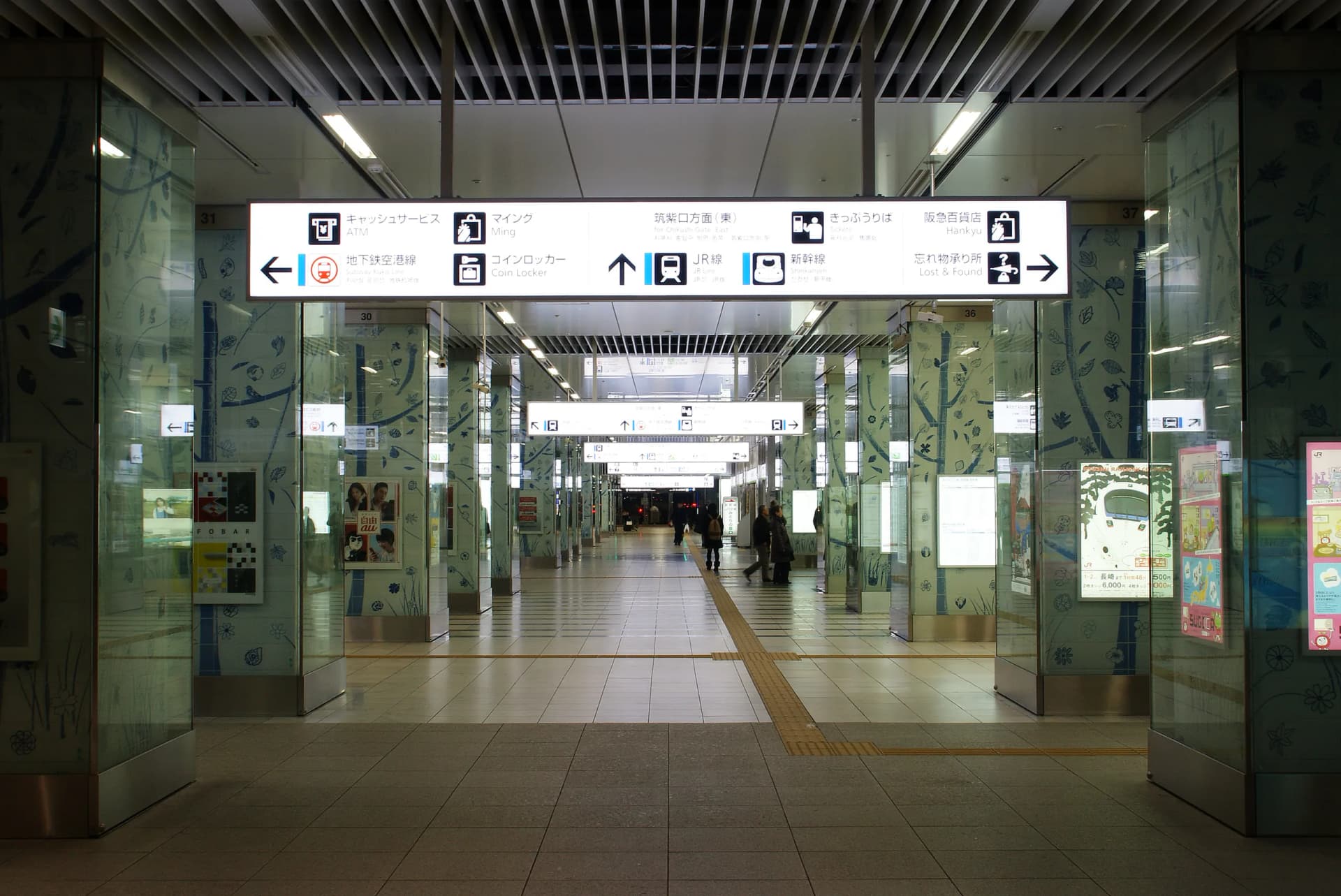
Ask each hotel about luggage storage before check-in and after check-out. Station lockers can help, but large lockers can fill up, and your suitcase may not fit. Have a staffed-storage or hotel alternative rather than making a timed attraction depend on finding an empty locker. Our coin locker guide explains how to store and retrieve bags.
Measure your suitcase before booking the Tokyo-to-Kyoto train. On the Tokaido Shinkansen, bags with combined height, width, and depth over 160 cm and up to 250 cm require the appropriate oversized-baggage seat reservation; bags over 250 cm cannot be brought aboard. Check the current baggage rules for your luggage before purchase.
If you forward luggage between hotels, confirm that both properties can handle it and ask about the actual delivery time. Keep medication, valuables, chargers, and enough clothes with you. Do not assume a suitcase sent in the morning will be waiting when you arrive that afternoon.
How to budget and what to book first
Price the nine actual hotel nights before choosing attractions. Compare the total room cost for your party, including taxes and meal plans, rather than multiplying one attractive nightly headline price. A solo traveler and two people sharing a room will have different per-person accommodation costs.
Build a budget with separate lines for flights, accommodation, Tokyo-to-Kyoto rail travel, both airport transfers, local trains and buses, food, paid attractions, connectivity, and a contingency allowance. Add the Kyoto/Osaka-to-Tokyo journey if you use the return-flight version. Shopping and theme-park extras belong in their own allowance, not hidden inside the food budget.
Book in this order: flights and route, hotels, experiences that are essential to you, then train reservations as their booking windows open. Keep ordinary meals and neighborhood walks flexible. Check cancellation terms and the correct date, venue, and entry time before buying tickets through any seller.
For spring blossoms, autumn foliage, public-holiday periods, or major events, check your exact dates early. Those seasons do not guarantee a particular view or weather. In hot or rainy conditions, shorten outdoor blocks and keep an indoor alternative in the same area.
Set up mobile data before your first station transfer
A working map and saved hotel address are especially useful during the first airport transfer. Compare an eSIM, physical SIM, or pocket WiFi based on your phone, data needs, and whether your group will split up. Confirm device compatibility, network-lock status, plan activation, and any collection or return arrangements before booking.
NINJA WiFi is an affiliate option offering pocket WiFi, SIM cards, and eSIMs. Compare the specific plan and current terms with your needs; there is no discount code to enter from us. Keep hotel details and key reservations available offline even when you have mobile data.
How to add Mount Fuji, theme parks, or a slower family pace
Mount Fuji or Hakone: replace Day 4, rather than adding a second excursion to it. Choose the Fuji Five Lakes for a lake-and-mountain-view focus, or Hakone for its own sightseeing and hot-spring possibilities. An overnight requires moving an existing hotel night and reworking the Day 5 Kyoto transfer. Confirm the onward connections and remember that weather may hide the mountain.
Tokyo Disney or Universal Studios Japan: reserve a full replacement day. Day 4 can become a Tokyo-area theme-park day; Day 9 can become Universal Studios Japan instead of Nara. Check the exact park and ticket product, and allow for a late finish before the next day's travel.
Families or a gentler pace: keep the same hotel for longer, remove optional evening outings, and aim for one major activity each day. The Tokyo-four/Kyoto-five-night version avoids the Osaka hotel move, but check whether the extra day-trip commuting really suits your family. A rest afternoon can be more valuable than another famous stop.
Hiroshima, Hokkaido, or Okinawa: save these for a longer route or make one of them the focus of a different trip. This itinerary does not need another distant region to be a worthwhile first visit.
First-time 10-day Japan itinerary: common questions
Is 10 days enough for a first trip to Japan?
Yes for a focused introduction, not the whole country. This plan gives you three Tokyo sightseeing days, a Kyoto transfer afternoon and two Kyoto days, an Osaka day, and a Nara day trip, with arrival and departure kept separate.
Should I visit Tokyo or Kyoto first?
Follow the flights that work for you. Tokyo first suits an arrival there and departure from Kansai. You can reverse the route if you fly into Kansai and leave from Tokyo, while keeping the arrival day light.
Do I need to stay overnight in both Kyoto and Osaka?
No. Staying in one Kansai base reduces hotel moves. The three-base version gives Osaka an easier evening and can simplify a Kansai Airport departure from a suitable hotel.
Can I include Nara and Mount Fuji?
You can replace Day 4 with a Fuji-area trip and keep Nara on Day 9 in the Kansai-departure version. That uses your flexible Tokyo day and creates a more active trip. It is an option, not our default recommendation for everyone.
Do I need a rental car?
Not for the core Tokyo, Kyoto, Osaka, and Nara route. Plan it around public transport and walking, adding a taxi where it solves a specific access or luggage problem.
Make this itinerary your own
Start by entering your flights and nine hotel nights in the Japan itinerary planner. Add the two hotel transfers, then one priority per sightseeing day. Use the interactive Japan map to check how your chosen places sit together before filling the remaining time.
For more local choices, explore our Kyoto and Nara guides. If your trip length is still undecided, compare the broader 7-, 10-, and 14-day route overview. Keep the daily plan editable: the best version is the one that leaves you time to enjoy the places you chose.
Travel details can change. Confirm current schedules, opening hours, reservation rules, prices, and entry requirements with the relevant official provider before booking or traveling.