
When to Visit Japan for Sakura Cherry Blossoms
A regional guide to sakura season, bloom forecasts and planning around changing dates.
In this article
Affiliate disclosure: Some links in this article may earn Japan Trip Planners a commission at no extra cost to you. Recommendations are included when they are genuinely useful for planning, and you should still compare current prices, terms, and official provider information before booking.
When Is the Best Time to Visit Japan for Cherry Blossoms?
For a first trip centered on Tokyo, Kyoto and Osaka, late March through early April is the most useful starting window for cherry-blossom planning. A trip spanning the end of March and the beginning of April gives you several opportunities to look for sakura instead of depending on one afternoon in one park. It still cannot guarantee full bloom.
Japan's cherry blossoms do not open everywhere at once. A photograph taken in Okinawa in January, a February riverside scene in Kawazu and an April visit to northern Honshu can all show real sakura. They are not interchangeable evidence for when the trees beside your Tokyo hotel will flower.
Start with the part of Japan you want to visit, then narrow the season using that year's projected dates. If your flights are already booked, reverse the process: look for places and tree varieties that suit your actual dates rather than trying to force the whole country into the same blossom week.
Japan Cherry Blossom Season by Region
These are broad, typical viewing windows for choosing a route, not a live forecast, a promise of full bloom or a set of 2027 predictions. An unusually early or late season can fall outside them. Within one prefecture, coastal streets, city parks and higher ground may look quite different.
- Okinawa: January-February for its winter-flowering cherries. Do not book an April Okinawa trip expecting the mainland's spring display.
- Kawazu and parts of the Izu Peninsula: February into early March for early-flowering Kawazu-zakura. Check local reports because the best display need not last throughout a festival.
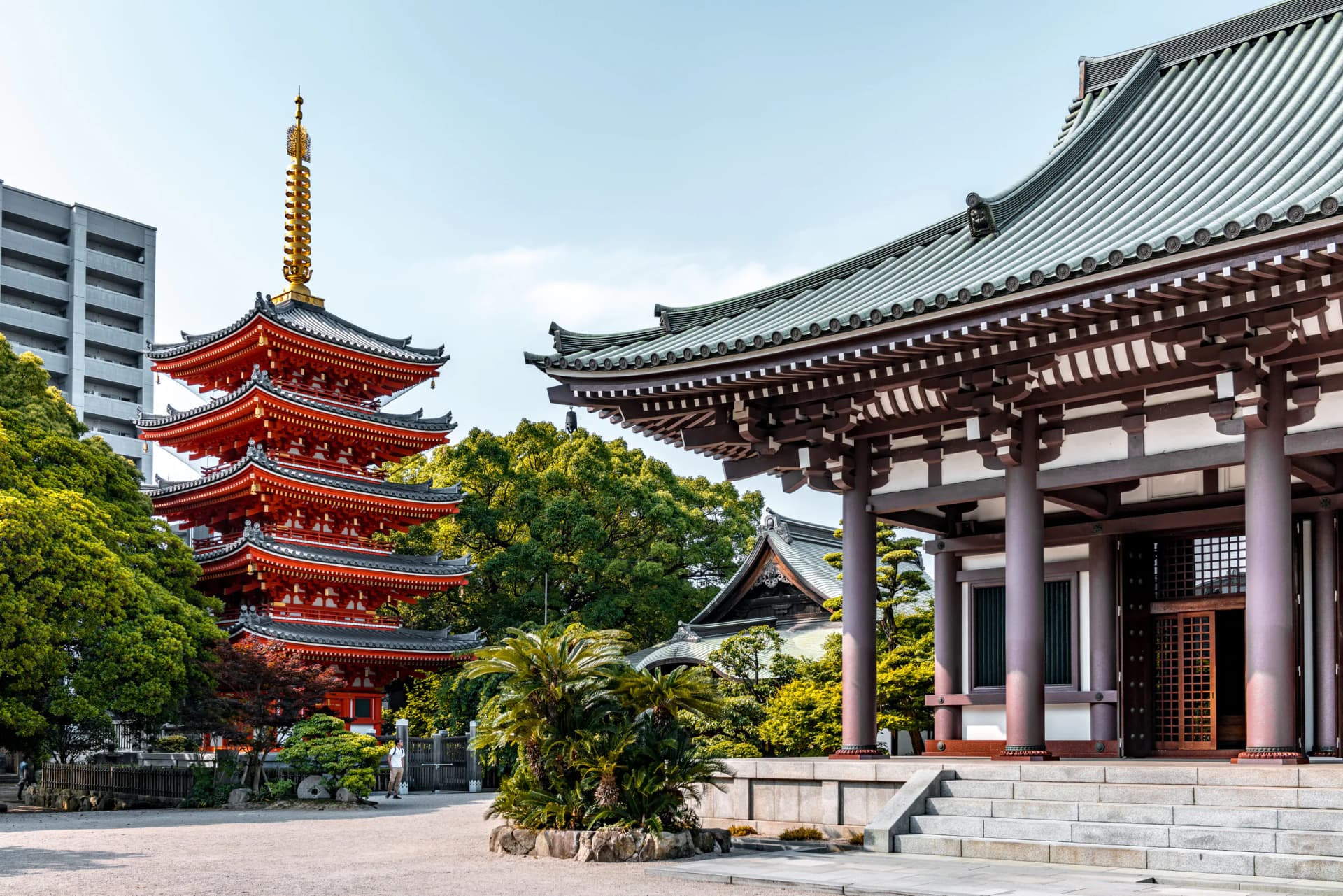
- Fukuoka and much of lowland Kyushu: late March-early April is a useful starting range. Southern does not automatically mean every city or every variety flowers first.
- Hiroshima, Tokyo, Yokohama, Nagoya, Kyoto, Osaka and Nara: broadly late March-early April for many familiar city displays, with differences between parks and varieties.
- Kanazawa and nearby lowland Hokuriku: often early April, sometimes extending toward mid-April. Use current local conditions rather than assuming it always runs exactly a week behind Tokyo.
- Fuji Five Lakes and Fujiyoshida: often early to mid-April for popular blossom viewpoints, with elevation and the individual site making a difference.
- Sendai and parts of southern Tohoku: early to mid-April is a starting point. Conditions farther inland or uphill can differ from the city.
- Northern Tohoku, including Hirosaki: often later April into early May. Very early springs can bring the main display forward substantially.
- Hakodate and Sapporo: late April-early May is a broad planning window. Other parts of Hokkaido and later varieties can continue into May; Hokkaido is not one single bloom date.
Why Do Cherry Blossom Dates Change Every Year?
For common spring-flowering cherries, the story begins before spring. Buds form in the previous year, pass through winter dormancy and then develop toward flowering. Cold-season conditions matter as well as the warmth that follows. It is too simple to say that every warmer winter automatically produces earlier flowers.
Once growth is underway, warmer conditions can speed development, while a cool spell can slow it. Elevation, local exposure and tree variety add differences within a destination. A sheltered city garden is not a reliable stand-in for a mountain viewpoint.
Weather also affects the experience after flowering: wind and rain can knock petals down, and a warm spell can make a promising display change quickly. That is why a route with several viewing opportunities is more resilient than a holiday built around one exact photograph.
First Bloom vs Full Bloom: Read the Right Date
First flowering, or kaika, marks the beginning, not an entire park turning pink. In the Japan Meteorological Agency's observations, the cherry-flowering threshold is five or six open flowers on the observed tree. Full bloom, or mankai, uses roughly 80 percent or more open blossoms. These are observation standards, not a guarantee that every tree across the city has reached the same stage.
There is often roughly a week between first flowers and full bloom, but treat that as a rough guide rather than a rule you can add to any forecast. A cold spell or warm spell can change the interval. Check whether the source already provides a separate full-bloom prediction before doing your own date arithmetic.
The day you personally enjoy most might be slightly before peak, during full bloom or while petals are falling. A park with several varieties can remain interesting after its earliest trees finish. A single city's opening announcement tells you much less than a current report for the park you actually plan to visit.
How to Check Projected Cherry Blossom Dates
Use a weather provider's seasonal forecast to shape your route, then use dated local bloom reports to choose the day's actual stop. The forecast answers what is expected; a recent observation answers what the trees were doing when someone checked them. Keep those two jobs separate.
For a 2027 trip, check that the forecast really says 2027. At the time this article was published on November 28, 2026, the Japan Meteorological Corporation's English forecast page still displayed its completed 2026 season. Do not copy those dates into next spring's itinerary as if they were new predictions.
Choose a broad travel window first. As your departure approaches, review updated projections for each base. During the trip, look for the most recent local observations before committing a whole day to a distant park. A post that was accurate last week may no longer describe the trees today.
- Check the year and the publication or update date, not just a page title saying cherry blossom forecast.
- Check the exact location and tree variety. A representative city tree is not every garden, hillside or late-flowering grove.
- Check whether the number means first flowering, expected full bloom or an observed stage such as beginning to fall.
- Check access separately: festival dates, evening openings, timed entry and transport restrictions are not bloom predictions.
Tokyo, Kyoto and Osaka: Plan Several Chances, Not One
If you want a classic first Japan trip with blossoms as a highlight, use Tokyo and Kansai as real sightseeing bases rather than three places to race through on forecast day. Several nights in each area let you adjust which morning is for a park, which is for a museum and which is for a neighborhood walk.
In Tokyo, compare places such as Shinjuku Gyoen, Ueno Park and the Chidorigafuchi area using current conditions and the type of visit you want. A garden visit, a crowded promenade and a boat outing involve different opening rules, queues and physical effort. Do not assume a pretty riverside photograph means a picnic is allowed there.
In Kyoto, a walk near the Philosopher's Path, a garden with a weeping cherry and a later-flowering temple display need not peak together. Osaka Castle Park and other Kansai stops can add options without requiring another hotel move. Keep each day's alternatives geographically close rather than crossing the region for every new report.
Our Tokyo activities guide and Kyoto and Osaka pacing guide can help you build enjoyable days around the flowers rather than filling the calendar with park-to-park transfers.
When to See Cherry Blossoms Around Mount Fuji
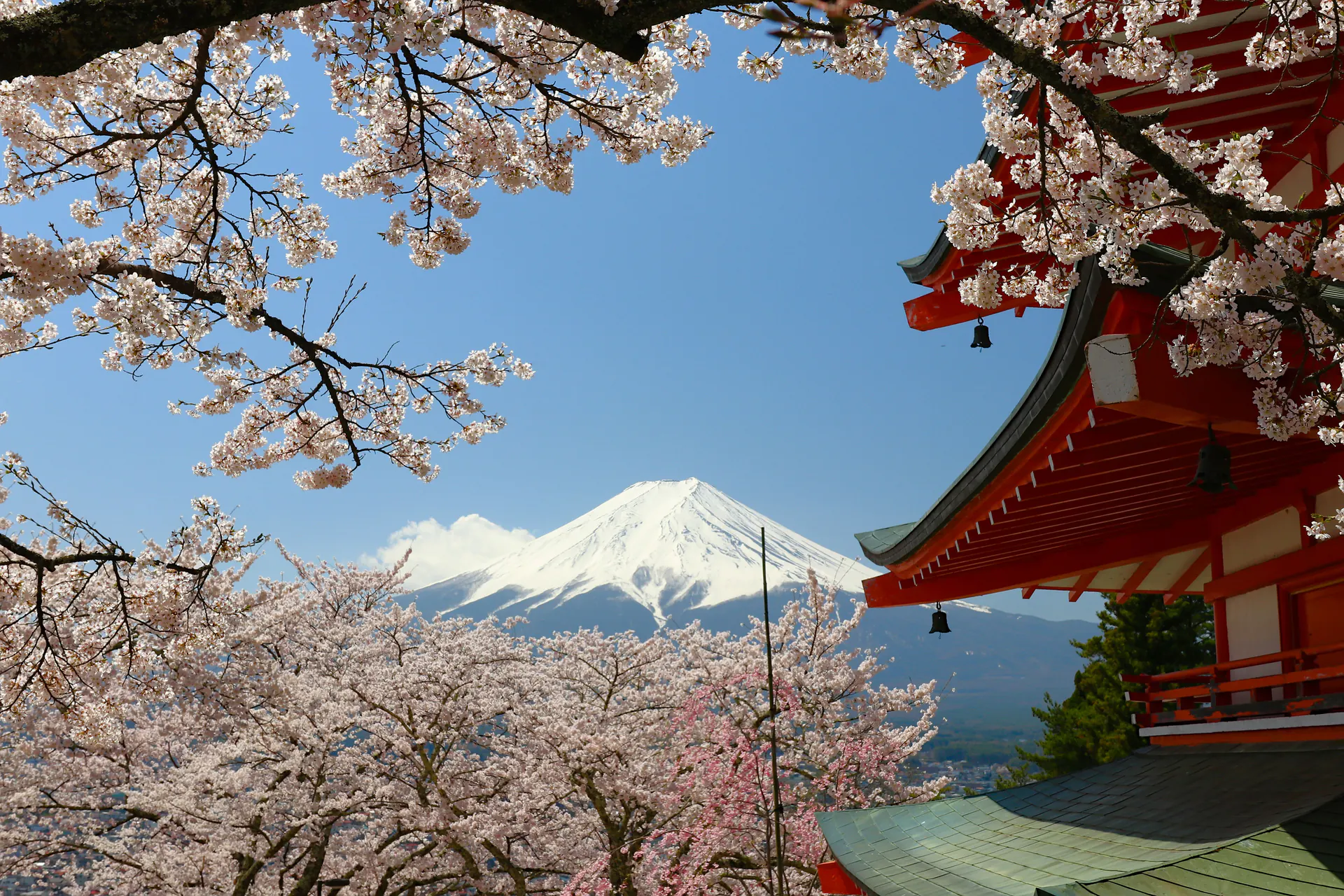
The Fuji Five Lakes area and Fujiyoshida often suit early-to-mid-April planning, but a Tokyo bloom announcement is not the signal that Chureito Pagoda or every lakeside tree is ready. Local elevation, variety and weather all matter. Even on a good blossom day, cloud can hide Mount Fuji completely.
Treat the famous combination of mountain, pagoda and flowers as three conditions that need to cooperate, not a photograph you are purchasing with a train ticket. An overnight stay may provide more than one viewing opportunity, but it adds accommodation cost and still cannot promise a clear mountain. A day trip is reasonable if you would enjoy the area even without the exact scene.
Check Fujiyoshida's official access information before visiting Arakurayama Sengen Park. The city did not hold its official cherry-blossom festival in 2026, and published crowd-management and traffic measures separately. That is not a reason to assume the park is closed, nor a set of rules to copy unchanged into 2027. Follow the current year's guidance, respect residential streets and avoid blocking roads for photographs.
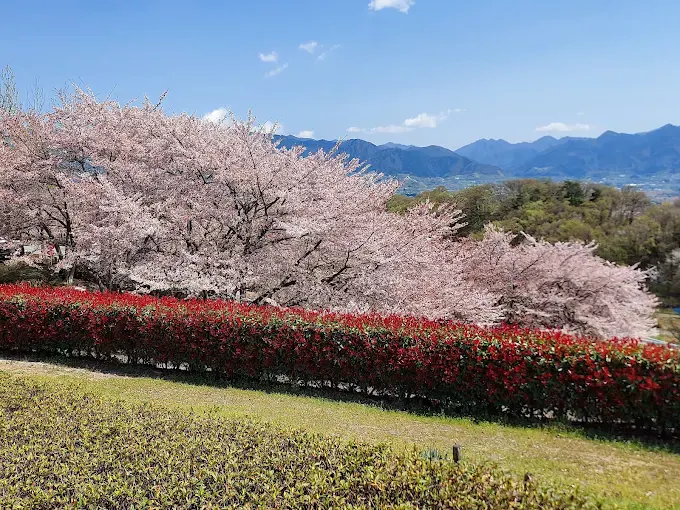
Later Trips: Tohoku and Hokkaido Cherry Blossoms
If your holiday falls later in April, look beyond the standard Tokyo-Kyoto blossom calendar. Southern Tohoku, inland areas and northern Tohoku have different seasonal rhythms. Hirosaki in Aomori is a well-known later-season option, but even its usual late-April-to-early-May association is not protection against an early spring.
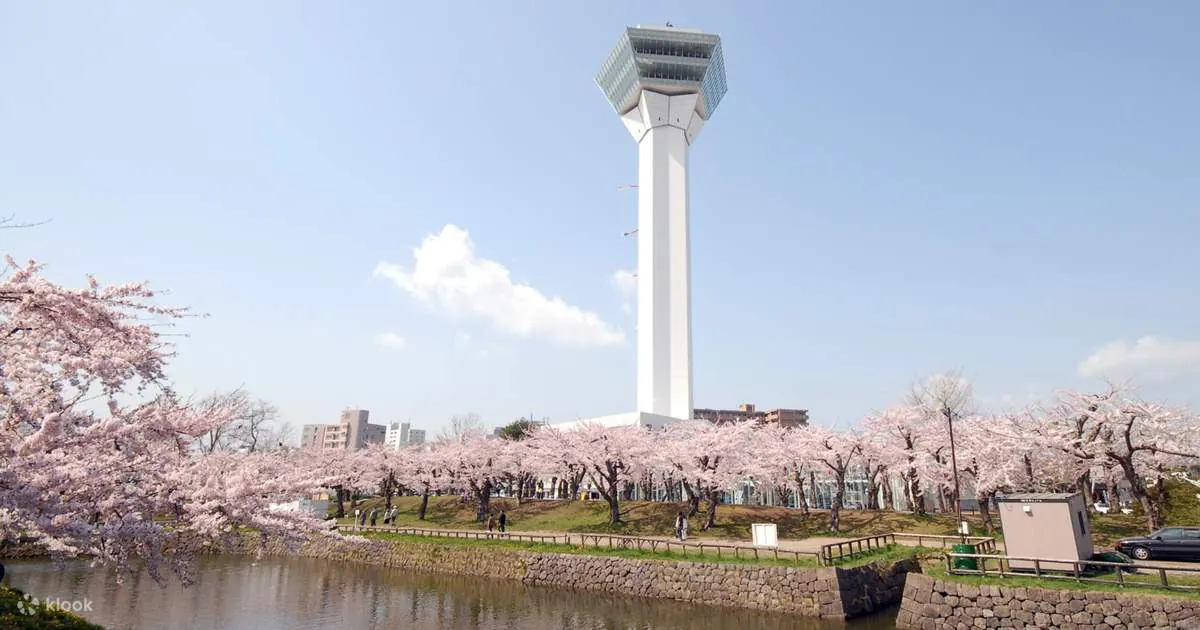
For late April and early May, Hakodate's Goryokaku area and Sapporo become useful candidates to research. Hokkaido is large: choosing a May flight to the island does not mean every destination will still have flowers. Match the specific town and park to the latest report, then check the travel time from your actual accommodation.
Late-April and early-May travel can also intersect Golden Week, Japan's busy holiday period. Compare room availability and transport before making a northern detour. A long additional journey may not be worth it if it takes away the final relaxed day of a trip you were already enjoying.
Earlier Trips: Okinawa and Kawazu Sakura
January or February travel is not automatically too early for every kind of cherry blossom. Okinawa's winter-flowering cherries have their own calendar, and Kawazu on the Izu Peninsula is known for an early-flowering variety. These are alternatives to research, not evidence that the famous Tokyo avenues will be pink in February.
Kawazu's flower season and its organized festival are related but different. An event can be scheduled for several weeks while the trees' best appearance depends on that year's conditions. Check current bloom observations before adding a long journey, especially if your visit is near the beginning or end of the event period.
Choose these destinations because their scenery and wider trip suit you. Flying to Okinawa solely to replace one missed mainland park changes the cost, transport and character of the holiday. An early-blossom trip can be wonderful, but it is its own itinerary rather than a simple date swap.
How Long Do Cherry Blossoms Last?
Think in terms of a short, changing display at each location, not a nationwide season that stays at peak for a month. The wider spring can offer blossoms over many weeks because regions and varieties differ. One group of trees does not remain in the same condition for that whole period.
Full bloom is not a switch that turns a park perfect at midnight and empty the next morning. Buds, partial bloom, falling petals and fresh leaves overlap. A petal-covered moat can be beautiful after the canopy's fullest moment, while a windy day can change a favorite walkway quickly.
The practical response is to give yourself more than one chance. Keep a nearby walk available on several days, and move the visit forward if the trees look good. Waiting for the supposedly perfect day at the end of your stay can mean missing a lovely display that was already there.
When to Book Flights, Hotels and Blossom Outings
For a blossom-focused trip, begin comparing flights and accommodation well before the final daily bloom reports. Waiting for near-certainty can leave fewer suitable rooms at the places you actually want to stay. Where the price difference is reasonable, compare refundable or changeable options and read their exact deadlines.
Flexibility has a cost. A flexible room that you cannot cancel after arrival is not a free option to move every night. Before booking several possible bases, check deposits, cancellation cutoffs, no-show charges and whether changing dates requires a completely new reservation. Keep a simple record of what you have committed to.
For organized day trips, gardens with special admissions or evening events, check the operator's current schedule and conditions. A tour can provide transport and a planned route; it cannot guarantee peak blossoms or a cloud-free Mount Fuji. Compare the actual stops, included admissions and cancellation terms rather than relying on a seasonal title.
We may earn a commission at no extra cost to you.
Our Japan accommodation guide covers more ways to compare stays without assuming blossom-season prices will match a quiet week.
Build a Cherry Blossom Itinerary That Can Change
For a first visit, a sensible template is several nights in Tokyo followed by several nights in Kyoto or Osaka, with blossom walks fitted around the rest of your interests. A Fuji-area stay or a northern extension should earn its place through your available time and the actual seasonal outlook, not simply because it appears in someone else's highlight reel.
Put one likely blossom stop and one nearby alternative into each flexible sightseeing day. Keep a museum, market, covered shopping street or food experience available if the weather turns. Leave the long-distance transfers and fixed reservations visible, so a spontaneous garden visit does not quietly erase the time needed to reach your train.
Use our interactive Japan map to compare where places sit, then arrange the possibilities in the itinerary builder. Premium's Sakura Viewing layer can help you discover additional viewing locations, but it is a collection of places, not a live bloom forecast. Always check the current conditions before making a detour.
Our 10-day Japan itinerary offers a starting route, while the JR Pass calculator helps compare the rail journeys you actually plan to take. Adding a blossom stop is not, by itself, a reason to buy a nationwide pass.
What If You Arrive Before or After Peak Bloom?
Before the main display, check whether an early variety is flowering locally or whether another nearby area is further along. After the main display, look for later varieties or a realistically reachable cooler location. Neither strategy is a promise: confirm an actual report rather than assuming that going north or uphill always fixes the timing.
Price the change before making it. Two extra train journeys, a replacement hotel and the cancellation of a prepaid activity can turn a quick blossom chase into the most expensive part of the trip. Sometimes the better choice is enjoying the neighborhood you are in, with a garden walk, a great meal and a more relaxed day.
Japan is not a failed trip because the trees flowered a few days before your plane landed. Temples, food, landscapes, local streets and the ordinary pleasures of traveling are still there. Flowers can be the reason you choose spring without becoming the only thing allowed to make the holiday worthwhile.
What to Pack and How to Enjoy Hanami Respectfully
Pack layers, a weatherproof outer layer and shoes you can comfortably walk in. A sunny afternoon and an evening beside a river can feel quite different. Check the forecast for the destination, not just the country, especially if your route moves from warmer cities to northern or higher places.
Hanami means flower viewing; it does not require alcohol, an elaborate picnic or the busiest famous park. A walk beneath the trees can be enough. Where picnics are allowed, stay out of paths, follow the rules on alcohol and seating, and take your rubbish away if there is no suitable bin.
Do not shake branches, climb trees, pick flowers or step into protected planting beds for a photograph. Follow queue, tripod and access instructions, keep residential doorways clear, and give other people room to enjoy the scene. A quieter nearby display can be a better experience than another hour spent waiting for the same crowded viewpoint.
Japan Cherry Blossom Travel FAQs
What month is best for cherry blossoms in Japan?
Late March and early April are useful starting choices for Tokyo and Kansai. Choose the destination before the month: winter cherries in Okinawa, early Kawazu varieties and later northern displays have different calendars.
Is March or April better?
Neither month wins nationwide. Late March may suit a major-city route, while April gives more options in cooler and northern locations as the season develops. Match the actual week, place and current forecast instead of selecting a whole month in isolation.
Can I see cherry blossoms in May?
Potentially, especially in suitable Hokkaido locations or with later-flowering varieties. Early May is not a guarantee, and it does not mean Tokyo and Kyoto's familiar spring displays will still be at peak.
Are 2027 cherry blossom dates guaranteed?
No. Check that a forecast belongs to 2027 and distinguish predictions from observed dates. Hotel availability, scheduled festivals and old photographs cannot confirm what a park's trees will look like on your visit.
Is a cherry blossom festival's opening day the best day to visit?
Not necessarily. The event calendar and the trees' development are separate. Check recent local bloom information, access rules and the activities that are actually operating that day.
Is visiting Japan during sakura season worth it?
Yes, if you value the seasonal atmosphere and accept crowds, uncertain timing and potentially higher costs at popular stops. Build a trip you would still enjoy without full bloom. If flexibility or value matters more than flowers, our best time of year to visit Japan guide compares the other seasons.
Travel details can change. Confirm current schedules, opening hours, reservation rules, prices, and entry requirements with the relevant official provider before booking or traveling.